
Have you ever been puzzled by the term “require” in WordPress? You’re not alone.
This little function plays a big role in making your website run smoothly, yet it often flies under the radar. Understanding it could be your secret weapon to enhancing your WordPress site. Imagine having the power to streamline your site’s code, improve performance, and reduce errors, all by mastering a single function.
Intrigued? Stick around. We’ll unravel the mystery of the “require” function, showing you how it can simplify your WordPress experience and boost your site’s efficiency. Are you ready to unlock a new level of WordPress mastery? Let’s dive in.
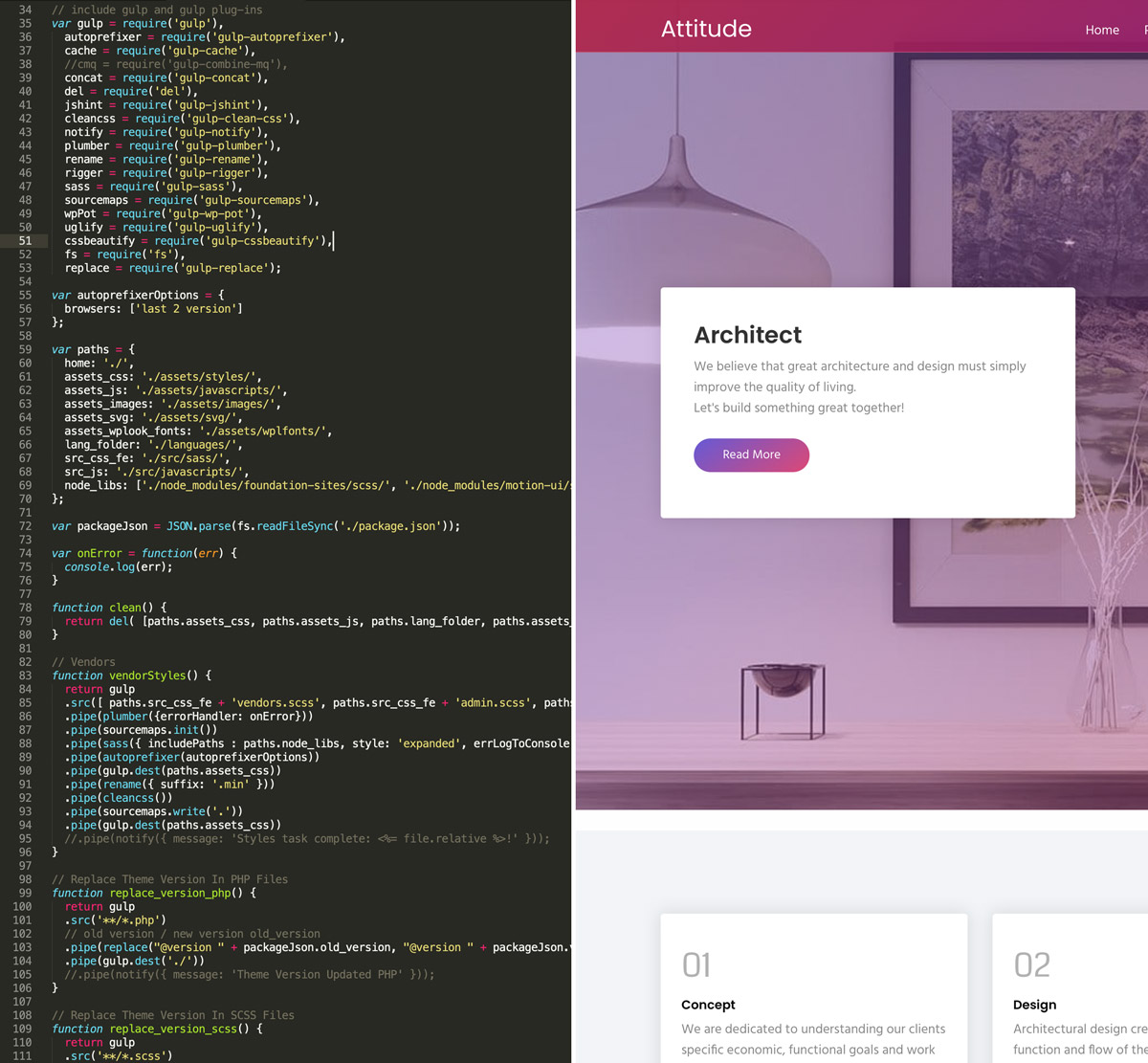
Credit: wplook.com
Understanding WordPress Functions
Functions are like little helpers in WordPress. They do specific tasks. Each function has a job. Some functions fetch data. Others display content. Functions make WordPress work smoothly. They act behind the scenes. Without them, WordPress would be clumsy. Functions are vital. They keep everything running. They are like building blocks. They help in creating themes and plugins. Functions make coding easier. They save time for developers. They also make websites faster. Functions simplify complex tasks. They are part of the WordPress core. Every user benefits from them. Functions are everywhere in WordPress.
Many functions are popular in WordPress. Some are used often. get_header() brings the header to pages. get_footer() adds the footer. the_content() shows the main content. wp_enqueue_script() adds scripts to a page. add_action() links functions with events. add_filter() changes the output of functions. These functions help in building websites. They make tasks simple. They are trusted by developers. Learning them is useful. They are key in WordPress development.
Exploring The Require Function
The require function in WordPress helps include files in code. It makes sure the file is added before the script runs. If the file is missing, the script stops. This ensures that the code works smoothly. It is very important for error-free coding.
Both require and include functions add files to the code. But there is a difference. The require function stops the script if the file is missing. The include function only gives a warning if the file is not there. The script continues to run with include. Require is a bit stricter and safer for important files.
Syntax Of The Require Function
The require function is used in PHP. It helps include files. The basic structure is simple.
You write require and then the file name. Remember to add quotes around the file name.
Like this: require('filename.php'); It is important. The file must be in the same folder.
If not, give the file path. This way, PHP knows where to find it.
The require function uses one main parameter. This is the file path. It tells where to find the file. If the path is wrong, it gives an error. This stops the script. So, check your paths carefully. Always use the correct file names. Pay attention to spelling and case. PHP is case-sensitive.
Practical Applications Of Require
The require function helps in using code files in themes. This makes the code neat and clean. Themes often need functions that are reused. These functions can live in separate files. By using require, the theme can call these files. This way, the theme does not repeat code. It is also easier to update and fix problems. If a file is missing, the theme will stop. This is good. It helps in knowing there is a problem.
Plugins use the require function to add extra features. This lets plugins work better without extra code. By using require, plugins can include libraries or helper files. This makes plugins smaller and faster. If something important is missing, the plugin will not work. This helps find errors quickly. It also ensures that all needed files are present. Keeping code separate also makes it easier to understand.
Error Handling With Require
Missing files can cause issues. The require function in WordPress stops code if a file is missing. This helps catch errors early. It also prevents further damage. Without it, the site may break.
Using require means the site checks for files first. If files are not found, the site shows an error. This is better than silent failure. Users will know something is wrong.
Always check file paths. Make sure they are correct. Use clear error messages. Avoid confusing users. Simple messages help understand the issue.
Regular checks keep errors away. Update files and paths often. This prevents future problems. Test the site after changes. Ensure everything works.
Keep backups. They help restore lost files. Backups are a safety net. Always have a backup plan.
Credit: blazethemes.com
Performance Considerations
Using the require function in WordPress can affect load times. This function loads files each time a page opens. It may slow down your site. Large files take longer to load. This can frustrate users. Site speed is important. Faster sites keep users happy. They also rank better in search engines.
Only use require when necessary. Try to load files only once. Use caching to save time. This helps load pages faster. Small files can load quickly. Limit the number of files. This keeps the site smooth and fast. Regular checks can help improve speed. Keep your site running well.
Security Implications
Unauthorized access can be harmful. It can damage your site. To prevent this, use the require function wisely. This function includes files safely. It checks if a file is already included. If not, it includes it. This protects against unwanted code. The function stops file duplication. It also ensures the site runs smoothly. Always include files from trusted sources. This keeps bad code away.
File inclusion needs care. Use paths carefully. Always use full paths. This avoids risky files. Never include user input in paths. It can be dangerous. Check file permissions. Files should not be writable by all users. Keep files in secure directories. This limits access. Regularly update file paths. It keeps them secure.

Credit: wordpress.stackexchange.com
Troubleshooting Common Issues
Path errors can stop your site from working. The require function needs the correct file path. If the file path is wrong, the site breaks. Check file paths carefully. Look for typos or extra spaces. Use the right file names. Check folder names too. Make sure they match the path. Fixing paths can solve many issues. Always double-check after changes.
Conflicts between plugins or themes can cause problems. If something breaks, check recent changes. Did you add a new plugin? Or update a theme? This might be the reason. Disable plugins one by one. See if the issue stops. If it does, find the conflicting plugin. Change settings or update it. Conflicts need careful attention. They can be tricky. Keep backups ready. Always.
Frequently Asked Questions
What Is The Function Of ‘require’ In WordPress?
The ‘require’ function in WordPress includes and evaluates a specified file. It is essential for loading necessary files, such as templates or configuration files. If the file is not found, it generates a fatal error. This function ensures critical components are loaded for WordPress functionality.
How Does ‘require’ Differ From ‘include’?
The main difference is error handling. ‘Require’ generates a fatal error if a file is missing, stopping execution. ‘Include’ only emits a warning, allowing script continuation. ‘Require’ is used for critical files, while ‘include’ is for optional ones. Both functions ensure files are incorporated into scripts.
Why Use ‘require’ Instead Of ‘include’?
Use ‘require’ when the absence of a file should halt script execution. It ensures critical dependencies are available. ‘Require’ is suitable for files essential to application functionality. By stopping execution when a file is missing, it prevents potential errors and issues in your WordPress site.
Can ‘require’ Be Used Conditionally?
Yes, ‘require’ can be used within conditional statements. This allows you to load files only when certain conditions are met. It helps optimize WordPress sites by including files dynamically. Conditional usage ensures that only necessary resources are loaded, improving performance and efficiency.
Conclusion
Understanding the function “require” in WordPress is essential. It ensures smooth website operations. This function helps include necessary files in your website. It prevents errors by stopping the code if a file is missing. Using “require” correctly can boost your site’s reliability.
It keeps your WordPress site organized and efficient. For beginners, it’s a valuable tool to learn. Practice using it in your projects. Over time, it will become second nature. So, dive into WordPress development with confidence. Your skills will grow, and your site will thrive.


