
Have you ever wondered what happens when you turn comments off on your WordPress site? Picture this: you’re in control of your blog, shaping every interaction, deciding what conversations take place.
By understanding the power of this feature, you can enhance your site’s atmosphere, manage engagement levels, and maybe even boost your site’s performance. But how does it really work, and what impact does it have on your online presence? Stick around to discover the ins and outs of disabling comments on WordPress and how this simple action can transform your blogging experience.
Credit: wordpress.org
Benefits Of Turning Comments Off
Turning comments off can protect your site from hackers. Comments may contain malicious links. These links can harm your site. Blocking them keeps your site safe. No more worries about security breaches.
Spam comments can clutter your site. They make it look messy. Turning comments off stops spam. Your site stays clean and tidy. Visitors enjoy a better experience. No spam means a better site for everyone.
Comments can slow down your site. Pages take longer to load. Removing comments can speed up your site. Faster pages make users happy. They don’t have to wait. Everyone likes a site that loads quickly.
Impact On User Engagement
Turning off comments can reduce user interaction on your blog. Readers might feel less connected. Sharing thoughts through comments is important for many. Without it, communication is limited. This can make your blog seem less lively. People enjoy discussions and sharing ideas. Without comments, this is harder.
There are other ways to engage readers. You can use social media platforms. Encourage your readers to share their thoughts there. Surveys or polls can also help. They let readers express opinions easily. Another option is using email newsletters. Readers can reply and share their views. Forums or groups can also be created. This builds a community feel.
Seo Considerations
Turning comments off can affect your blog’s search rankings. Comments add fresh content. Search engines love new content. They see it as active engagement. This can boost your page ranking.
Without comments, your site may seem static. A static site might rank lower. It’s important to balance this. Think about your site’s needs carefully.
Effect On Search Rankings
Comments often include keywords naturally. These keywords help with search engine optimization. They make your content richer. This can improve your visibility.
But spam comments can harm you. They bring unrelated content. This can confuse search engines. Always moderate your comments.
Balancing Comments With Seo
Finding the right balance is key. Allow comments, but control spam. Use plugins to filter bad comments. This way, you keep the good ones.
Good comments add value. They make your content more engaging. This keeps readers on your site longer. Longer visits can lead to higher rankings.
When To Disable Comments
Some content types do not need comments. Static pages like “About Us” or “Contact” pages are examples. These pages give information. No discussion is needed. Product pages are another type. They show details about a product. Comments can confuse buyers.
News articles might also turn off comments. Sometimes, readers post harmful remarks. This can be hurtful. To keep the space friendly, comments are disabled. Event announcements might not need comments too. People just need the event details.
Some audiences prefer no comments. This might be because they want quick information. Or, they might not want to read long comment threads. Businesses might turn off comments. They want a clean and professional look. Educational sites might do this too. They focus on learning, not discussions.
How To Turn Comments Off
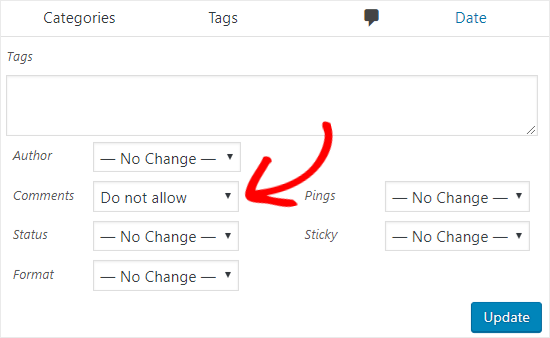
Turning off comments is easy. First, log in to your WordPress dashboard. Look for Settings on the left-hand menu. Click on it. Find Discussion settings. Uncheck Allow people to post comments. Save changes. Now, comments are off for new posts. To turn off comments for old posts, go to Posts. Select all posts. Choose Edit from the bulk actions dropdown. Click Apply. Change comments setting to Do not allow. Update posts. Comments are off now.
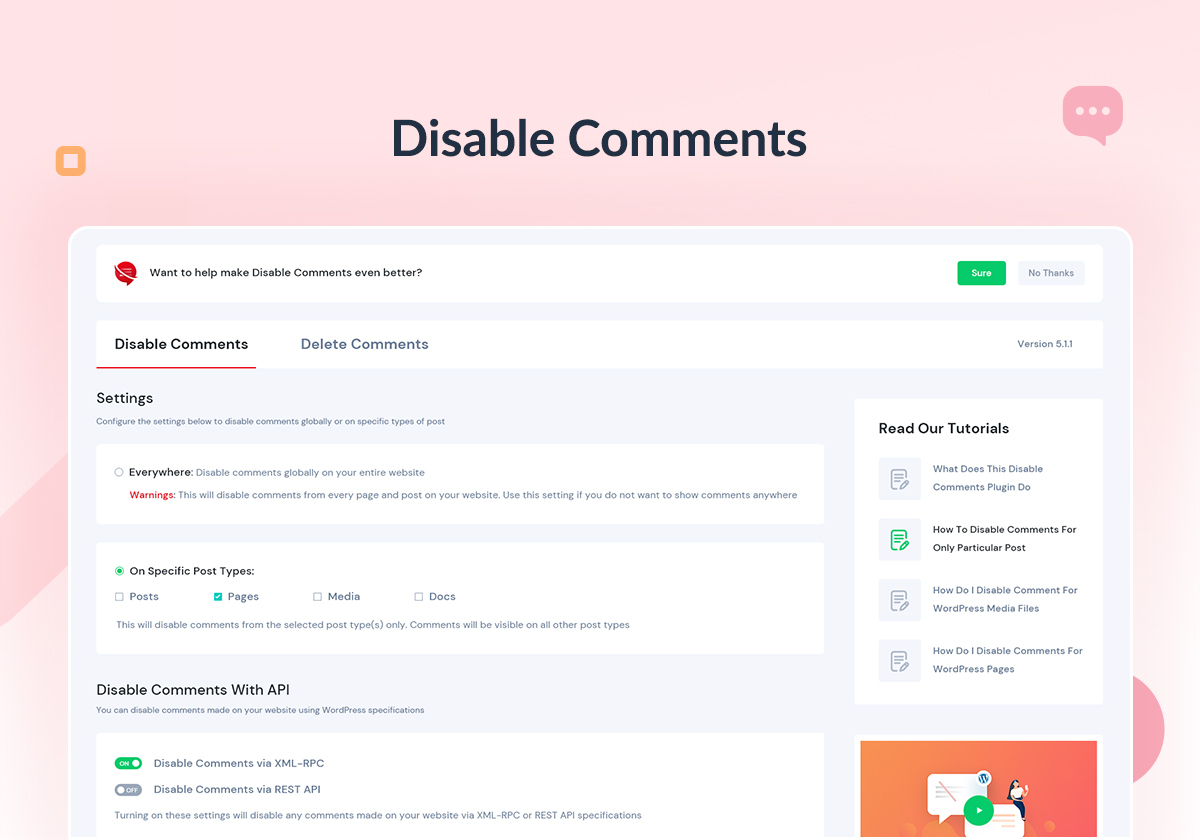
Plugins can help with comments. Search for comment control plugins in the Plugins section. Install and activate the plugin. Go to plugin settings. Follow the steps to disable comments. Plugins make it simple. They save time. You can manage comments easily. Always check plugin reviews. Make sure the plugin is safe. Updates are important. Keep plugins up-to-date.
Credit: www.wpbeginner.com
Alternative Engagement Strategies
Many people chat on social media. It’s easy and fun. Sharing posts gets others talking. Ask questions to start discussions. Reply quickly to comments. People like that. It shows you care. Join groups related to your topic. Share there too. Use pictures and videos. They grab attention. Everyone loves a good story. Keep it friendly and simple. Make it fun for everyone.
Emails can be a great way to chat. Ask for feedback in your emails. People like sharing their thoughts. Reply to emails quickly. It makes people feel heard. Send surveys sometimes. They are easy to fill. Share news and updates in emails. Keep them short and sweet. Use a friendly tone. Everyone likes a nice message. Make each email special. People will look forward to them.

Credit: www.crazyegg.com
Frequently Asked Questions
What Happens When You Turn Off Comments?
Turning off comments disables the ability for visitors to leave comments on posts. This helps prevent spam and reduce moderation workload. It also encourages a more streamlined interaction on the site. However, it also limits user engagement and community discussions.
How To Disable Comments In WordPress?
To disable comments, go to your WordPress dashboard. Navigate to Settings > Discussion and uncheck “Allow people to post comments. ” This setting applies to new posts. For existing posts, you need to edit them individually or use a plugin for bulk actions.
Why Disable Comments On WordPress?
Disabling comments can prevent spam and reduce moderation tasks. It also enhances site security by minimizing potential vulnerabilities. Some site owners prefer a cleaner, more focused content presentation without user comments.
Can I Enable Comments Later?
Yes, you can enable comments anytime. Simply revisit the Settings > Discussion section in your WordPress dashboard. Check “Allow people to post comments” to enable them. For individual posts, adjust the settings within the post editor.
Conclusion
Turning off comments in WordPress is a simple process. It helps manage site engagement effectively. You can reduce spam and control discussions. This feature improves website performance and focus. Privacy concerns also decrease with fewer comments. Users can concentrate on content without distractions.
Consider your audience’s needs before making changes. Some may miss the interaction. But, it’s crucial for site management. Decide based on your goals. Keep your site clean and efficient. Adjust settings as needed. Happy blogging!


