You’re diving into the world of WordPress, and suddenly you find yourself questioning, “Where exactly is the hostname stored?” It might seem like a trivial detail, but understanding this can unlock a realm of possibilities for customization and troubleshooting.
Imagine being able to tweak your site with confidence, knowing exactly where crucial information is tucked away. This isn’t just about a single table; it’s about empowering you with knowledge that makes managing your WordPress site a breeze. Let’s unravel this mystery together and enhance your WordPress expertise.
WordPress Database Structure
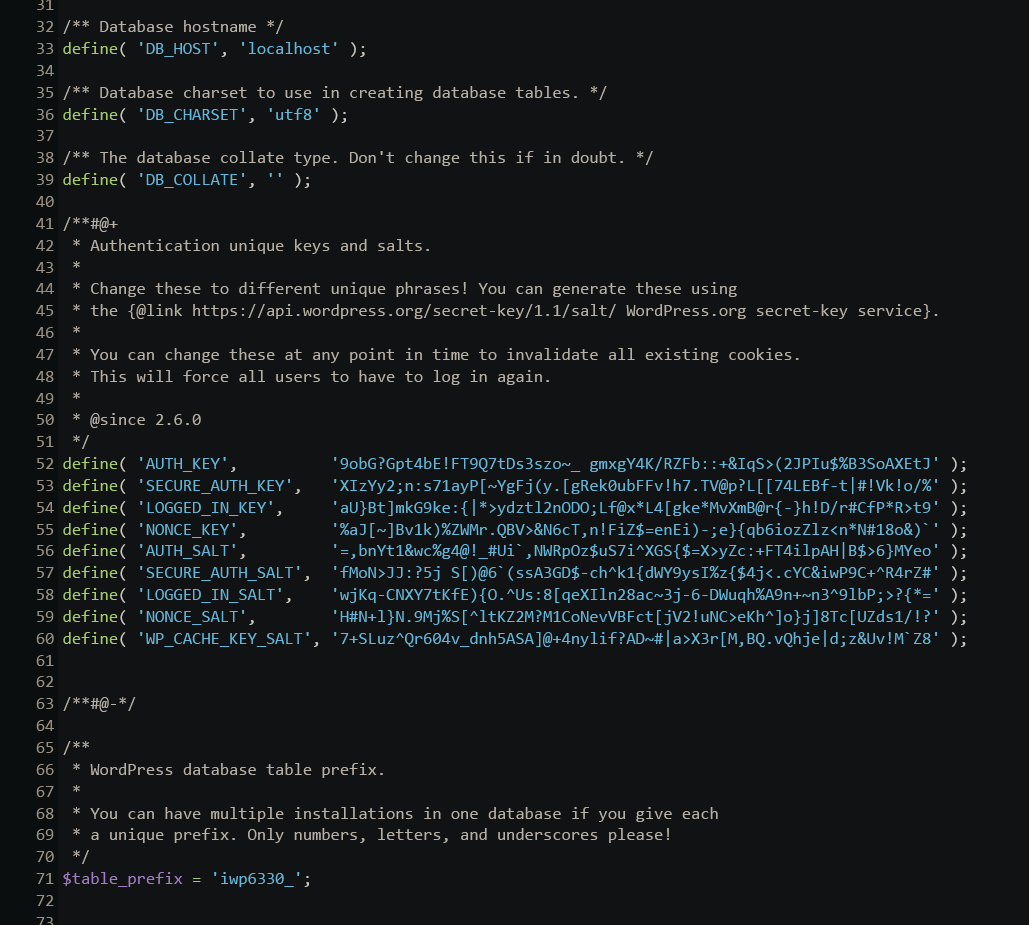
The WordPress database is like a big library. It has many tables. These tables hold different types of data. One important table is wp_options. This table stores settings and options for your site. The site name and URL live here. These are like the ID cards for your site. Themes and plugins use this table too. They store their settings here. This helps WordPress run smoothly. Every table has a job. Together, they keep your site working well.
The wp_options table is very important. It holds key settings. It helps your site remember things. Like what theme you use. Or site name. Plugins store their settings here. This table is like a brain. It remembers small details for your site. Without it, your site might forget its settings. It is one of the core tables. It works with others to keep your site healthy.
Credit: www.wordfence.com
Hostname In Wp_options Table
In WordPress, the hostname is stored in the wp_options table. This table keeps important settings, including site URLs. Managing this ensures your website runs smoothly.
Option Name Identification
The hostname is stored in the wp_options table. This table keeps many settings. Each setting has an option name. The hostname is linked to two specific options. These options are crucial for site setup.
Default Site Url And Home
Site URL and home are the option names. They point to your site’s address. Site URL shows where WordPress files are stored. Home shows what people type to find your site.
Both options have values. These values are usually the same. But sometimes, they can be different. If you change them, your site may not work well. Always be careful when editing these options.
Accessing Wp_options Table
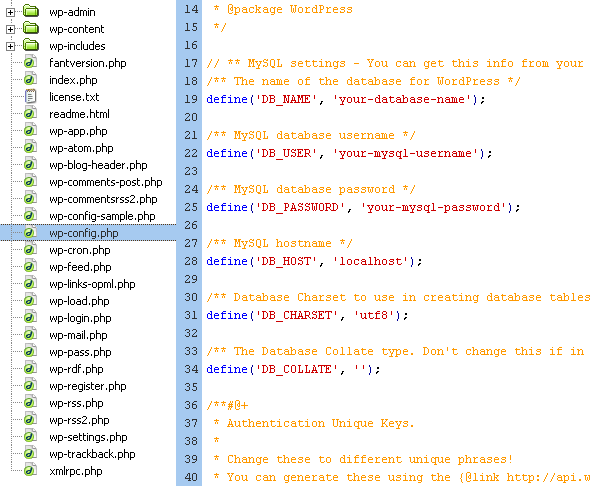
Access the wp_options table using phpMyAdmin. It is a tool for managing databases. Log in to your hosting account. Go to phpMyAdmin. Find the database linked to your WordPress site. Look for the table named wp_options. This table holds many settings. You can see the siteurl and home fields here. These fields store the WordPress hostname. Handle this data with care. Changes can affect your site.
Direct queries can fetch data from the wp_options table. Use SQL commands for this task. An example query is: SELECT FROM wp_options WHERE option_name = 'siteurl'; This command shows the current hostname. Always back up the database before running queries. Mistakes can cause issues. Ensure you have the right permissions to execute queries. This method is for users with some database knowledge.
Credit: digwp.com
Modifying The Hostname
The WordPress dashboard allows for easy hostname changes. Navigate to the Settings menu. Look for the General section. Here, you can see the Site Address and WordPress Address fields. Change these to update your hostname. Always double-check your entries. Mistakes can lead to site issues. Once done, click Save Changes. Your new hostname is now live.
Hostname data is stored in the wp_options table. Access your database using phpMyAdmin. Locate the wp_options table. Search for siteurl and home in the option_name column. Change the values to your new hostname. This ensures your site links are correct. Remember to backup the database first. This prevents data loss.
Troubleshooting Hostname Issues
Sometimes, WordPress users face hostname problems. These issues can cause trouble. Users might see error messages. The site might not load. A common cause is a wrong hostname entry. It is stored in the WordPress database. Specifically, in the wp_options table.
Check the siteurl and home fields. They must be correct. If wrong, update them. Use phpMyAdmin or a similar tool. This can solve many problems. Always double-check your entries.
It’s wise to keep backups. Mistakes happen. Backups can save you. Use plugins for automatic backups. Tools like UpdraftPlus are popular. Store backups in a safe place. Preferably offsite or in the cloud.
Restoring from a backup is simple. Follow the plugin’s instructions. Backups ensure you can quickly fix errors. They provide peace of mind. Keeping your site safe and sound.
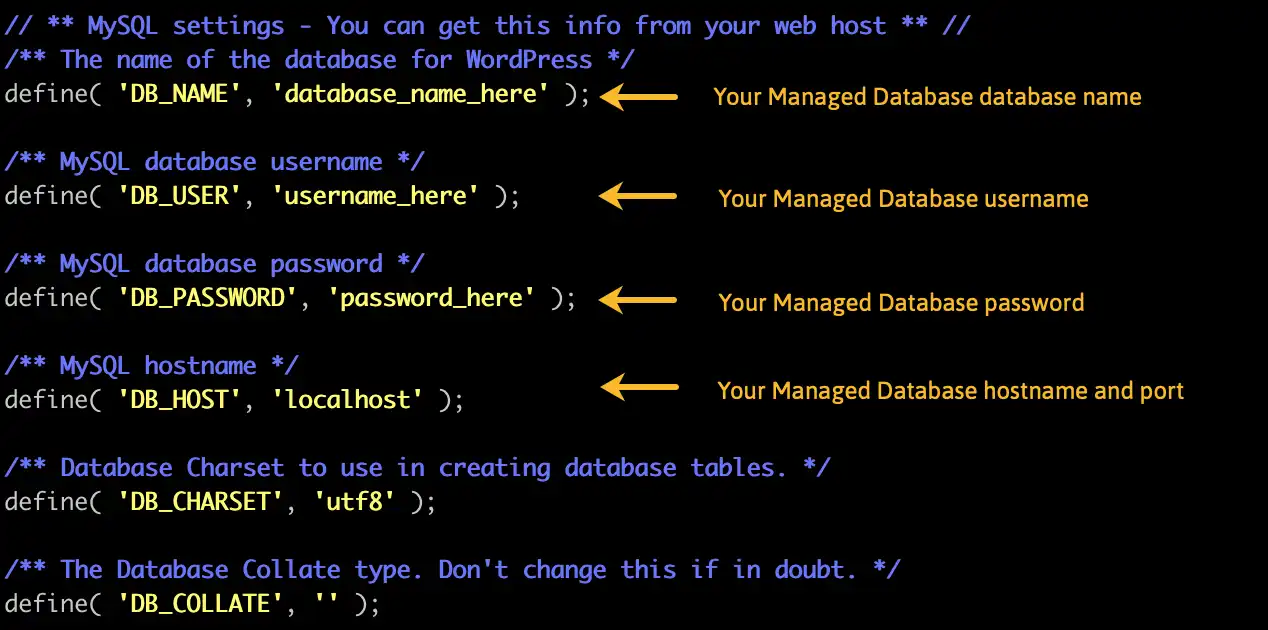
Credit: www.scaleway.com
Security Considerations
WordPress stores the site hostname in the “wp_options” table. This table holds crucial site settings. Properly securing it is essential to prevent unauthorized access and potential data breaches. Regular updates and strong passwords enhance protection.
Protecting Database Access
It is crucial to keep the database safe. Strong passwords are vital. Use unique usernames. Change them often. Limit access to trusted people. Use encryption for data. This makes it hard for bad actors. Always update the security settings. Regular backups help keep data safe.
Secure Configuration Practices
Secure configurations protect your site. Disable unused features. Use secure connections like HTTPS. This keeps data private. Check plugins for security. Only choose trusted ones. Firewalls are important. They block unwanted access. Monitor for unusual activity. This helps catch problems early.
Frequently Asked Questions
Where Is WordPress Hostname Stored?
The WordPress hostname is stored in the “wp_options” table. Specifically, it is located under the “siteurl” and “home” options. This table holds various site settings, including the URL, ensuring WordPress knows where to find its files. Accessing it requires database credentials and usually involves using phpMyAdmin.
How To Access WordPress Database Tables?
To access WordPress database tables, use phpMyAdmin, a web-based tool. Log into your hosting account’s cPanel and find phpMyAdmin under the “Databases” section. Once inside, select your WordPress database. You can now view, edit, or export tables, including “wp_options” for the hostname.
Can I Change WordPress Hostname In Database?
Yes, you can change the WordPress hostname in the database. Navigate to the “wp_options” table in phpMyAdmin. Locate the “siteurl” and “home” options and edit their values. This will update your site’s URL. Make sure to backup your database before making any changes.
What Is The ‘wp_options’ Table?
The ‘wp_options’ table stores essential WordPress settings. It includes site URL, home URL, and various configuration options. This table is crucial for site functionality and contains serialized data for plugins and themes. Modifications here should be done cautiously to avoid site issues.
Conclusion
Understanding where WordPress stores its hostname is crucial. It ensures smooth website management. The hostname is stored in the “wp_options” table. This table holds essential site information. Knowing this helps in troubleshooting. It also aids in configuring settings efficiently. For any WordPress site owner, this knowledge is valuable.
It simplifies tasks and enhances site performance. Ensure you back up your database regularly. This prevents data loss and keeps your site secure. Stay informed and keep your WordPress running smoothly. Happy managing!