Have you ever wondered what makes a website actually work? If you’re starting your own site, you’ve probably heard the terms “website hosting” and “domain,” but they can be confusing.
Understanding the difference between these two is key to building your online presence without frustration. You’ll discover exactly what a domain is, what hosting does, and why both are essential for your website’s success. By the end, you’ll feel confident in making the right choices for your site—and avoid common mistakes that could cost you time and money.
Keep reading to unlock the simple truth behind website hosting and domains!
Website Hosting Basics
Website hosting is a service that makes your website visible online. It stores your website files on a server. The server delivers these files to visitors’ browsers. Without hosting, your site cannot be accessed on the internet.
Understanding hosting basics helps you choose the right service. This choice affects your site’s speed, security, and reliability.
Types Of Hosting Services
There are different types of hosting services. Shared hosting is affordable and good for small sites. VPS hosting offers more control and power. Dedicated hosting provides a full server for one website. Cloud hosting uses multiple servers for better performance.
How Hosting Works
Hosting works by storing your website files on a server. When someone types your site address, the server sends the files. The visitor’s browser then shows your website. Hosting servers run 24/7 to keep your site online.
Choosing The Right Hosting
Choose hosting based on your website needs. Small sites do well with shared hosting. Bigger sites need VPS or dedicated hosting for more power. Consider uptime, speed, and support before buying. Good hosting keeps your site fast and secure.
Domain Name Essentials
A domain name is a key part of your website’s identity. It acts like the address where visitors find your site online. Choosing and understanding domain names helps you build a strong web presence.
Knowing the basics of domain names makes the process simple. This section explains what a domain name is, how to register one, and what domain extensions mean.
What Is A Domain Name
A domain name is the web address people type to visit your site. It looks like www.example.com. This address links to your website’s location on the internet.
Every domain name is unique. No two websites can have the same domain. It helps users find your site easily without using complicated IP numbers.
Domain Registration Process
Registering a domain means reserving your website address. You choose a name and sign up through a domain registrar. This company manages the domain records.
During registration, you provide personal details and pay a fee. The domain is yours for a set time, usually one year. You can renew it to keep ownership.
Domain Extensions Explained
Domain extensions are the endings like .com, .net, or .org. They show the type or purpose of the website. Some are for businesses, others for organizations or countries.
Choosing the right extension matters. It affects how visitors see your site. Common extensions like .com are popular and easy to remember.
Hosting Vs Domain Name
Understanding the difference between website hosting and a domain name is key for anyone starting a website. Both are essential parts, but they serve different purposes. Knowing their roles helps you build and manage a website more easily.
Core Differences
A domain name is the website’s address on the internet. It is what users type in the browser to visit your site. Hosting is the space where your website files live. It stores all your pages, images, and data on a server.
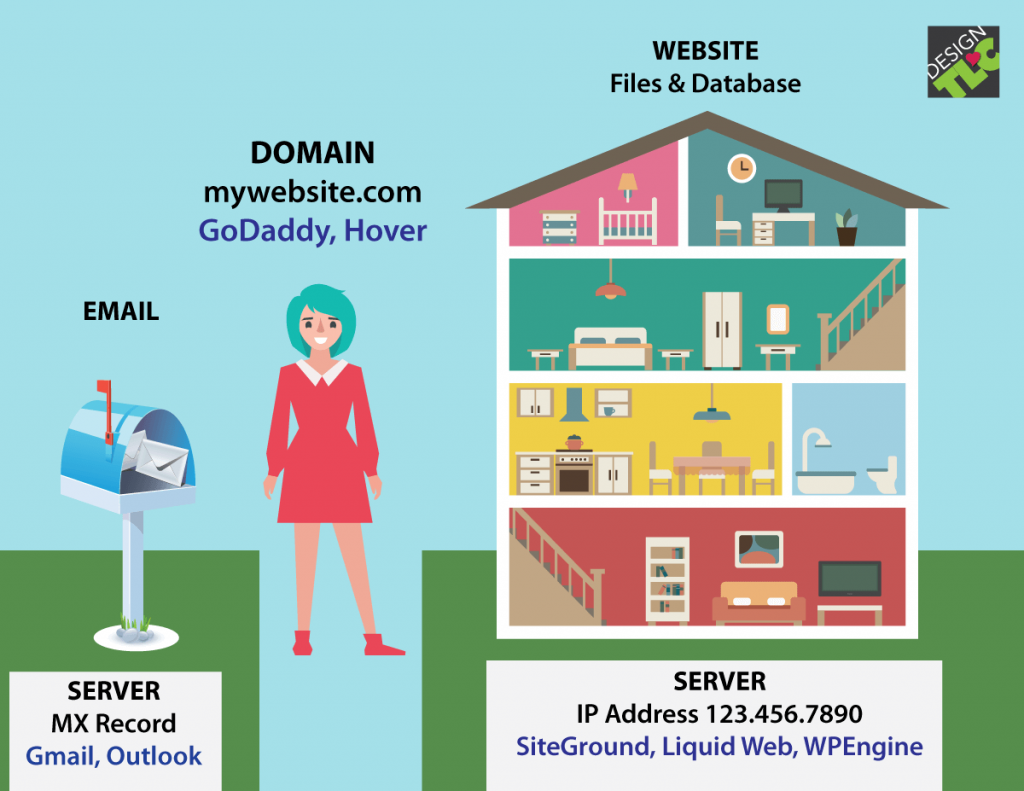
Think of the domain as your home’s address. Hosting is the actual house where everything is kept.
Roles In Website Functionality
The domain name directs visitors to your website. Without it, users would need to remember a complex IP address. Hosting makes your website visible online. It ensures your site loads and works properly for visitors.
Both must work together for your website to function. The domain points to your hosting space. Hosting delivers the content when someone visits your domain.
Common Misconceptions
Many people confuse domain names with hosting. They think buying a domain means having a website online. But a domain alone does not store your website files. Hosting is needed to make the site live.
Some believe hosting includes the domain. Usually, you buy them separately. Each has its own cost and management settings.
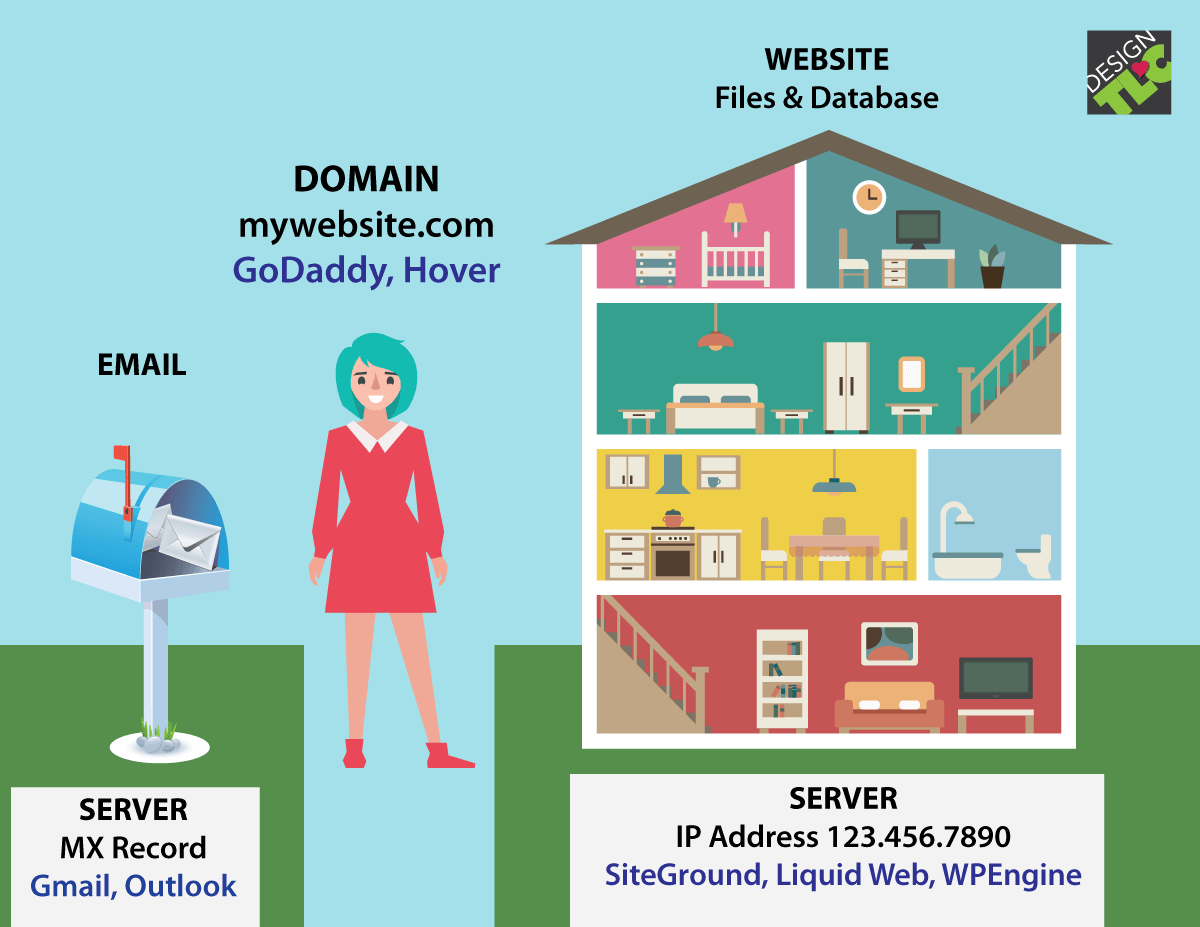
Credit: designtlc.com
How Hosting And Domain Work Together
Understanding how website hosting and domain work together is key to building a website. The domain is your website’s address, like www.example.com. Hosting is where your website files live on the internet. Both must connect properly for your website to appear online.
Without linking your domain to hosting, visitors cannot find your website. This connection allows users to type your domain name and reach your website content stored on the hosting server.
Linking Domain To Hosting
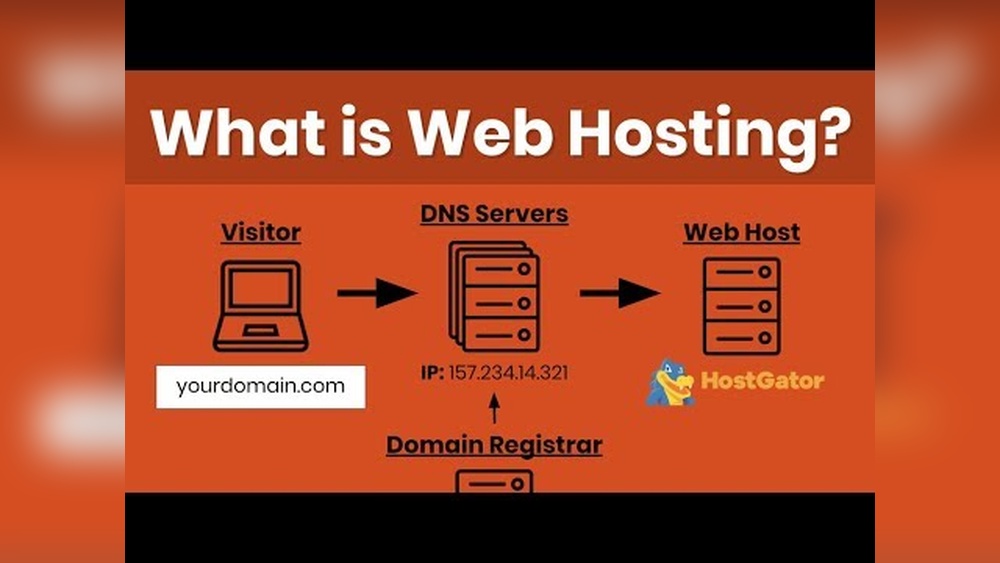
Linking your domain to hosting means pointing your domain to the server where your website files are stored. This step is done by changing the domain’s settings at the domain registrar. You enter the hosting server’s details, called nameservers, into your domain’s control panel. This action tells the domain where to send visitors.
Dns And Its Role
DNS stands for Domain Name System. It acts like a phone book for the internet. DNS translates your domain name into an IP address, which is the location of your hosting server. When someone types your domain, DNS directs them to the right server. This process happens quickly and behind the scenes.
Impact On Website Performance
The connection between domain and hosting affects your website speed and reliability. Good hosting with fast servers makes your website load quicker. Proper DNS settings ensure visitors reach your site without delay. Poor setup can cause slow loading or site downtime, hurting user experience.
Costs And Management
Understanding the costs and management of website hosting and domain names helps you plan better. Both are necessary for your website but involve different expenses and tasks. Knowing these differences saves time and money.
Pricing For Hosting And Domains
Domain names usually cost less than hosting services. A domain fee can be around $10 to $20 per year. Hosting prices vary widely. Shared hosting starts cheap, around $3 to $10 per month. More advanced hosting like VPS or dedicated servers costs more. Hosting covers server space, bandwidth, and technical support.
Renewal And Ownership
Domains need yearly renewal to keep ownership. Missing renewal can cause loss of the domain. Hosting also requires regular payments. You pay for hosting monthly or yearly. Both must be kept active for your website to work. Domains belong to you as long as you renew. Hosting is a service rented from a provider.
Managing Both Efficiently
Use a single provider for domain and hosting to ease management. Many companies offer both services bundled. This setup simplifies billing and technical support. Keep track of renewal dates to avoid service interruptions. Use reminders or calendar alerts. Regularly update your hosting plan as traffic grows. Manage domain settings carefully to control website access and email.
Choosing Providers
Choosing the right providers for website hosting and domain registration matters a lot. These services form the foundation of your online presence. Picking a good hosting provider and domain registrar ensures your website runs smoothly and stays secure. Trustworthy companies offer better support and features that fit your needs.
Top Hosting Providers
Some hosting providers have earned strong reputations. They offer fast servers and reliable uptime. Many include easy website builders and security tools. Examples include Bluehost, SiteGround, and HostGator. These companies support beginners and advanced users alike. Choosing a top hosting provider can improve your website’s speed and performance.
Reliable Domain Registrars
Domain registrars handle your website address registration. They keep your domain safe and renew it on time. Popular registrars include GoDaddy, Namecheap, and Google Domains. These companies provide simple control panels and extra privacy options. Selecting a reliable domain registrar helps protect your website identity and prevents domain loss.
Factors To Consider
Price is important but not the only factor. Check for customer support availability and reputation. Look for features like SSL certificates and backups. Consider ease of use and control panel design. Also, review terms on renewal fees and domain transfer policies. These details affect your website management experience.
Common Issues And Solutions
Website hosting and domain issues often cause confusion and frustration. Knowing common problems and solutions helps keep your site online and accessible. This guide explains typical domain and hosting troubles and how to fix them quickly.
Domain Expiry Problems
Domains must be renewed regularly. Missing renewal dates leads to domain expiration. An expired domain stops working. Visitors cannot reach your website. You may lose your domain name to others. Renew your domain before it expires. Set reminders to avoid missing renewal dates. Use automatic renewal if available. Check your email for renewal notices. Acting fast can restore your domain quickly.
Hosting Downtime Causes
Hosting downtime means your website is offline. It can happen due to server overload or maintenance. Technical glitches or cyber attacks also cause downtime. Poor hosting service leads to frequent outages. Downtime harms your website’s reputation and traffic. Choose a reliable host with good uptime records. Regular backups help recover from unexpected downtime. Monitor your site’s performance to detect issues early.
Troubleshooting Tips
Start by checking your domain status online. Confirm your hosting account is active and paid. Clear your browser cache to rule out local problems. Use tools to test website availability from different locations. Contact your hosting provider for support if needed. Keep your software and plugins up to date. Regularly back up your website files and databases. These steps reduce downtime and domain loss risks.

Credit: dorik.com
Credit: designtlc.com
Frequently Asked Questions
What Is The Main Difference Between Hosting And Domain?
A domain is your website’s address, while hosting is where your website files live. Domains point visitors to your hosting server.
Can I Have A Domain Without Hosting?
Yes, you can own a domain without hosting. But your website won’t be accessible online without hosting services.
Does Hosting Affect My Website’s Speed?
Yes, hosting quality impacts site speed. Reliable hosting offers faster load times and better performance for visitors.
How Do Domain And Hosting Work Together?
Domains direct users to your website’s hosting server. Hosting stores the website data visitors access through the domain name.
Conclusion
Website hosting and domain names serve different but connected roles. A domain is your website’s address on the internet. Hosting is where your website lives and works. You need both to have a website online. Understanding this difference helps you make smart choices.
It also saves time and money. Now, you can pick the right service with confidence. Creating a website becomes clearer and easier. Keep these basics in mind as you build your online presence. Simple steps lead to successful websites.