
Are you worried about protecting your business from cyber threats? Choosing the right firewall can make all the difference in keeping your data safe.
But should you go for a software firewall or a hardware firewall? This choice can impact your security, budget, and how easy it is to manage your protection every day. You’ll discover the key differences between software and hardware firewalls, so you can decide which one fits your business needs perfectly.
Keep reading to find out which option will give you the best defense without slowing you down.
Firewall Basics
Understanding the basics of firewalls is key for any business. Firewalls protect your network from harmful attacks and unauthorized access. They act as a barrier between your internal systems and the outside world. Knowing how firewalls work helps you choose the right type for your business needs.
What Is A Firewall?
A firewall is a security tool that controls incoming and outgoing network traffic. It checks data packets and blocks anything suspicious. Think of it as a gatekeeper for your digital environment. Firewalls keep hackers and malware out of your business network.
Types Of Firewalls
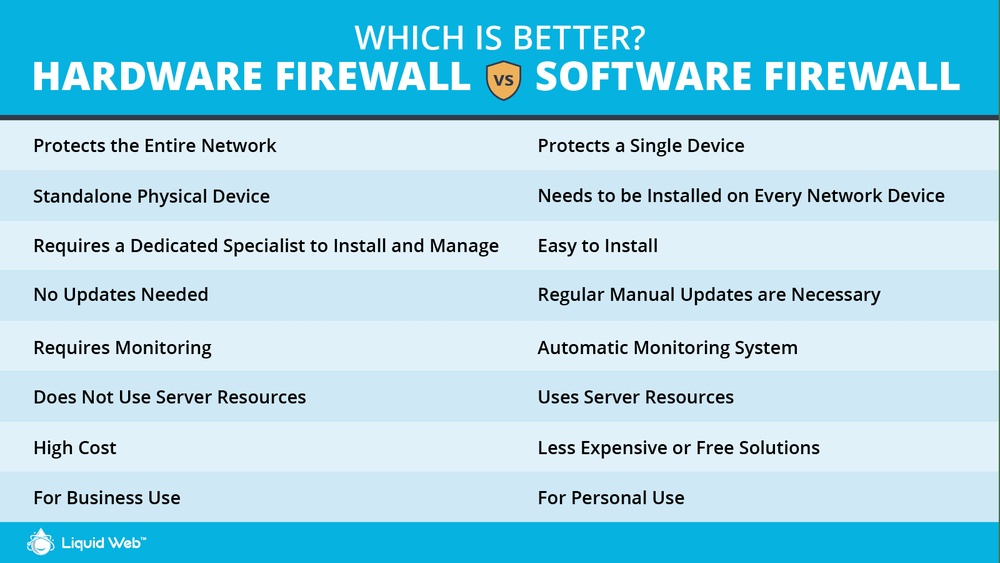
There are two main types of firewalls: hardware and software. Hardware firewalls are physical devices placed between your network and the internet. Software firewalls run on your computers or servers and monitor traffic from within. Each type has strengths and suits different business sizes and needs.
Role In Business Security
Firewalls protect sensitive business information from cyber threats. They stop unauthorized users from accessing your systems. Firewalls also help control what your employees can access online. This reduces risks and keeps your network safe. Strong firewall protection is essential for any business security plan.
Software Firewalls
Software firewalls protect computers and networks by controlling incoming and outgoing traffic. They act as a barrier between your device and the internet. This helps stop unauthorized access and blocks harmful data.
Many businesses use software firewalls because they are easy to install and manage. They work directly on the device, providing real-time protection. Software firewalls adapt quickly to new threats and updates.
How Software Firewalls Work
Software firewalls monitor network traffic using rules set by users or programs. They check data packets for suspicious behavior. If the data looks unsafe, the firewall blocks it.
They also watch applications on your device. This stops harmful programs from sending or receiving data without permission. The firewall can alert users about threats.
Advantages For Businesses
Software firewalls are cost-effective. They often come built into operating systems or as affordable downloads. Small businesses benefit from this low cost.
They are easy to update and customize. Businesses can set specific rules to fit their needs. Software firewalls also provide detailed logs for tracking security events.
These firewalls work well with remote workers. They protect devices outside the office network. This helps maintain security for all employees.
Common Use Cases
Software firewalls protect individual computers and servers. They are ideal for small and medium businesses. Many use them to secure laptops and desktops.
They also protect cloud-based systems and virtual machines. Software firewalls add a layer of security in these environments. Businesses use them to guard sensitive data and applications.
Another common use is blocking unwanted websites or apps. This helps improve productivity and security at work. Software firewalls give control over network access.
Hardware Firewalls
Hardware firewalls protect business networks by using physical devices. They act as a strong barrier between your internal network and outside threats. These devices inspect incoming and outgoing traffic to block harmful data. Many businesses trust hardware firewalls for their reliability and speed.
How Hardware Firewalls Operate
Hardware firewalls sit between your network and the internet. They monitor data packets that try to enter or leave. The device checks rules set by the network admin. Suspicious or harmful packets get blocked immediately. This keeps viruses, hackers, and unauthorized users out. The firewall works independently, so it does not slow down computers.
Benefits For Business Networks
Hardware firewalls offer strong protection for business data. They handle large amounts of traffic without lag. These firewalls are less prone to software bugs or crashes. Businesses gain better control over network access. They help prevent costly security breaches and downtime. Hardware firewalls are easy to update with new security rules.
Deployment Scenarios
Hardware firewalls suit businesses with many devices. They work well in offices, data centers, and factories. These firewalls protect sensitive information from outside attacks. Companies with high internet use benefit most. Hardware firewalls also support VPNs for secure remote work. Small businesses can use them for stronger security too.
Performance Comparison
Choosing the right firewall for your business affects your network’s performance. Both software and hardware firewalls protect data but differ in how they handle tasks. Understanding their performance helps decide which fits your needs best.
Performance focuses on speed, resource use, and ability to grow with your business.
Speed And Efficiency
Hardware firewalls usually process data faster. They use dedicated chips designed for security tasks. This means less delay in checking network traffic.
Software firewalls run on general servers or computers. They share resources with other programs. This sharing can slow down traffic checks.
Resource Consumption
Software firewalls use CPU and memory from your existing systems. This can reduce your system’s overall speed. It may cause problems if your hardware is old or busy.
Hardware firewalls have their own resources. They do not affect your main servers. This keeps your business systems running smoothly.
Scalability
Hardware firewalls need physical upgrades to handle more traffic. Adding more devices can be costly and take time.
Software firewalls scale by increasing server capacity or cloud resources. This can be faster and cheaper. It suits businesses that grow quickly or have variable needs.
Security Features
Security features are key when choosing between software and hardware firewalls for business. They protect networks from attacks and keep data safe. Each type offers different strengths in security.
Threat Detection Capabilities
Hardware firewalls often have strong threat detection built into physical devices. They can filter traffic before it reaches the network. Software firewalls rely on system resources and may detect threats inside the device. Both types scan for malware, viruses, and unauthorized access but vary in speed and depth.
Update And Maintenance
Software firewalls need frequent updates to protect against new threats. Updates usually happen automatically or can be installed manually. Hardware firewalls also require updates but less often. Maintenance may involve firmware upgrades and physical checks. Staying updated ensures the firewall blocks the latest attacks effectively.
Customization Options
Software firewalls offer flexible rules and settings tailored to specific needs. Businesses can adjust permissions and controls easily. Hardware firewalls provide customization but often through fixed interfaces. They suit companies needing stable, consistent protection with less frequent changes. Both allow some control but differ in ease and depth of customization.

Credit: www.fortinet.com
Cost Analysis
Cost plays a big role in choosing between software and hardware firewalls for business. Understanding costs helps businesses pick the best option. This section breaks down the main costs to think about.
Initial Investment
Hardware firewalls need a larger upfront payment. The cost covers physical devices and setup. Software firewalls usually cost less to start. They often require buying licenses or subscriptions. Small businesses may prefer software for lower start costs.
Ongoing Expenses
Hardware firewalls need regular maintenance and updates. Sometimes, hardware upgrades are required too. Software firewalls charge ongoing fees for updates and support. Both types need staff time to manage them. Budgeting for these helps avoid surprises later.
Return On Security Investment
Effective firewalls reduce risks and data breaches. This saves money on repairs and fines. Hardware firewalls may offer stronger protection for complex needs. Software firewalls fit well with flexible or cloud systems. Choosing the right firewall ensures better value for the money spent.
Integration And Compatibility
Integration and compatibility play a key role in choosing between software and hardware firewalls for business. The firewall must work smoothly with existing systems. It should not cause network issues or slowdowns. Compatibility affects security and productivity. A well-integrated firewall fits the business needs and technology setup easily.
Network Environment Fit
Hardware firewalls suit large networks with many devices. They handle heavy traffic and complex setups well. Software firewalls fit smaller networks or single devices better. The choice depends on the network size and type. Matching the firewall to the environment avoids conflicts and errors.
Compatibility With Other Tools
Firewalls must work with antivirus, VPNs, and monitoring tools. Software firewalls often integrate easily with software-based security tools. Hardware firewalls may need extra steps for compatibility. Check if the firewall supports your current security solutions. Poor compatibility can cause gaps in protection.
Ease Of Management
Software firewalls offer easy updates and flexible control from one interface. Hardware firewalls may require physical access or special software for management. Consider who will manage the firewall and their skill level. Simple management saves time and reduces mistakes.
Credit: aseva.com
Business Size And Needs
Choosing the right firewall depends a lot on the size of your business and its specific needs. Different businesses have different risks and resources. This affects whether a software or hardware firewall works best. Understanding these needs helps protect your data and keeps your network safe.
Small Business Considerations
Small businesses often have tight budgets. They need firewalls that are affordable and simple to use. Software firewalls fit well because they are easy to install on existing devices. They offer basic protection without extra hardware costs. Small teams can manage software firewalls without specialized IT staff.
Small businesses also need flexibility. Software firewalls allow quick updates and changes. This helps businesses stay protected as they grow. Hardware firewalls may be too costly and complex for small setups. Software options give good security with less hassle.
Medium To Large Enterprises
Larger companies face more threats and have complex networks. Hardware firewalls provide stronger protection for many users and devices. These firewalls can handle large amounts of traffic efficiently. They offer advanced features like deep packet inspection and intrusion prevention.
Enterprises often have dedicated IT teams. They can manage and configure hardware firewalls effectively. Hardware firewalls also reduce the load on individual computers. This improves overall network performance. Medium and large companies usually combine both firewall types for best results.
Industry-specific Requirements
Some industries have strict rules about data protection. Healthcare, finance, and government sectors require high security standards. Hardware firewalls often meet these regulations better. They provide physical separation from the internet and strong access controls.
Software firewalls can support compliance but may not be enough alone. Businesses in regulated fields should evaluate their firewall choice carefully. The right firewall helps avoid fines and data breaches. Industry needs shape the firewall decision significantly.
Hybrid Approaches
Hybrid approaches blend software and hardware firewalls for business security. This method uses the strengths of both types. It offers better protection than using only one type. Hybrid firewalls adapt well to different business needs and sizes.
Combining Software And Hardware
Software firewalls run on computers and servers. They monitor and control data traffic on each device. Hardware firewalls are physical devices that protect the entire network. Combining both means securing individual devices and the whole network. This dual layer stops many types of cyber threats.
Benefits Of Hybrid Models
Hybrid models improve security by covering more attack points. They catch threats that might slip past one firewall type. They offer flexibility, letting businesses adjust settings easily. They also reduce the risk of downtime since one firewall backs up the other. This setup often fits different budgets and scales well as business grows.
Implementation Tips
Start with assessing your business needs and network size. Choose hardware firewalls for core network protection. Add software firewalls to critical devices for extra defense. Keep all firewalls updated to block new threats. Train staff to understand basic firewall functions. Regularly check firewall logs for unusual activity. This keeps your hybrid system strong and reliable.

Credit: www.wroffy.com
Future Trends
The future of firewalls in business is full of change and growth. Both software and hardware firewalls will keep evolving to meet new security needs. Understanding these trends helps businesses pick the right tools to protect their data.
Evolving Threat Landscape
Cyber threats are getting smarter and more complex. Attackers use new methods to bypass old defenses. Firewalls must adapt quickly to stop these threats. Businesses face risks from ransomware, phishing, and zero-day attacks.
Firewalls need to detect unusual behavior fast. They must block threats before damage happens. The future will bring stronger, faster threat detection systems.
Advancements In Firewall Technology
Firewall technology is improving every year. New features like deep packet inspection and AI-based analysis are common. These help firewalls spot hidden threats inside network traffic.
Hardware firewalls will get more powerful processors. Software firewalls will become easier to manage and update. Both will offer better control over network access and data flow.
Cloud And Virtual Firewalls
Cloud computing is growing rapidly in business. Many companies use cloud services for flexibility and cost savings. Cloud firewalls protect data stored online and control access remotely.
Virtual firewalls run on software inside virtual machines. They offer strong security without extra hardware costs. More businesses will choose cloud and virtual firewalls for their ease and scalability.
Frequently Asked Questions
What Are The Key Differences Between Software And Hardware Firewalls?
Software firewalls run on individual devices, controlling traffic locally. Hardware firewalls are physical devices that protect entire networks by filtering incoming and outgoing traffic. Hardware firewalls provide broader protection, while software firewalls offer customizable, device-specific security.
Which Firewall Is Better For Small Businesses?
Software firewalls are often better for small businesses due to lower cost and easy installation. They protect individual devices effectively. Hardware firewalls suit businesses needing network-wide protection and higher security but involve more investment and setup.
Can Hardware Firewalls Handle More Traffic Than Software Ones?
Yes, hardware firewalls typically handle more traffic efficiently. They are designed for network-level protection and can manage large data flows. Software firewalls may slow down individual devices under heavy traffic due to limited resources.
Are Software Firewalls Easier To Update Than Hardware Firewalls?
Software firewalls are generally easier to update as they receive regular software patches. Hardware firewalls may require manual updates or firmware upgrades, which can be less frequent and more complex to implement.
Conclusion
Choosing between software and hardware firewalls depends on your business needs. Software firewalls offer flexibility and easy updates. Hardware firewalls provide strong protection for network entry points. Small businesses might prefer software for cost and simplicity. Larger companies often use hardware for better control and speed.
Both types help keep your data safe. Think about your budget, security level, and IT support. A clear choice fits your business size and goals. Protect your business with the right firewall solution today.


