Have you ever found yourself scratching your head over the difference between pages and blog posts on WordPress? You’re definitely not alone.
Navigating the WordPress platform can feel like trying to decode a complex puzzle, especially when it comes to understanding how pages and blog posts differ. But fear not, this article is here to clear up the confusion. By the end, you’ll have a clear understanding of how each element works, and how you can leverage them to enhance your website’s functionality and user experience.
With this knowledge, you’ll be equipped to make smarter decisions for your site, boosting your SEO and engaging your audience more effectively. So, if you’re ready to unlock the full potential of your WordPress site, keep reading to discover the key differences between pages and blog posts.
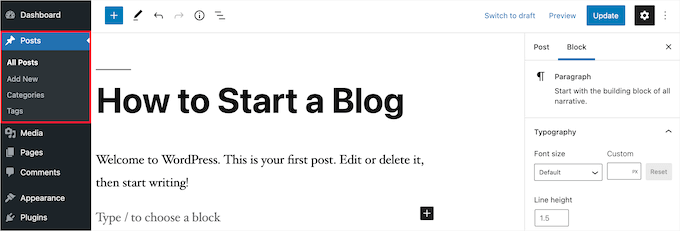
Credit: www.wpbeginner.com
Pages Vs Blog Posts
Pages are like the building blocks of a website. They are static and do not change often. Pages hold important information. Examples are the About Us and Contact pages. They give key details about a site or business. Pages are timeless and often found in the main menu.
Blog posts are like news articles. They are dynamic and updated frequently. Posts show the latest updates or stories. They appear in reverse order with the newest at the top. Blog posts often have a date and an author. Readers can leave comments on them. Blog posts keep the audience engaged and informed.

Credit: www.craigcampbellseo.com
Content Purpose
Pages hold important information about your site. They are fixed and do not change often. Examples include the About or Contact page. Users can find these in the menu. Pages help visitors understand the site’s main purpose. They are not time-sensitive. Pages remain the same until you edit them. They are perfect for key topics.
Blog posts are dynamic and change frequently. They appear in reverse chronological order. The newest post shows first. Blog posts are time-sensitive. They can include news, updates, or opinions. Readers can comment on posts. This helps create a community. Posts are great for sharing current ideas and stories.
Use Cases
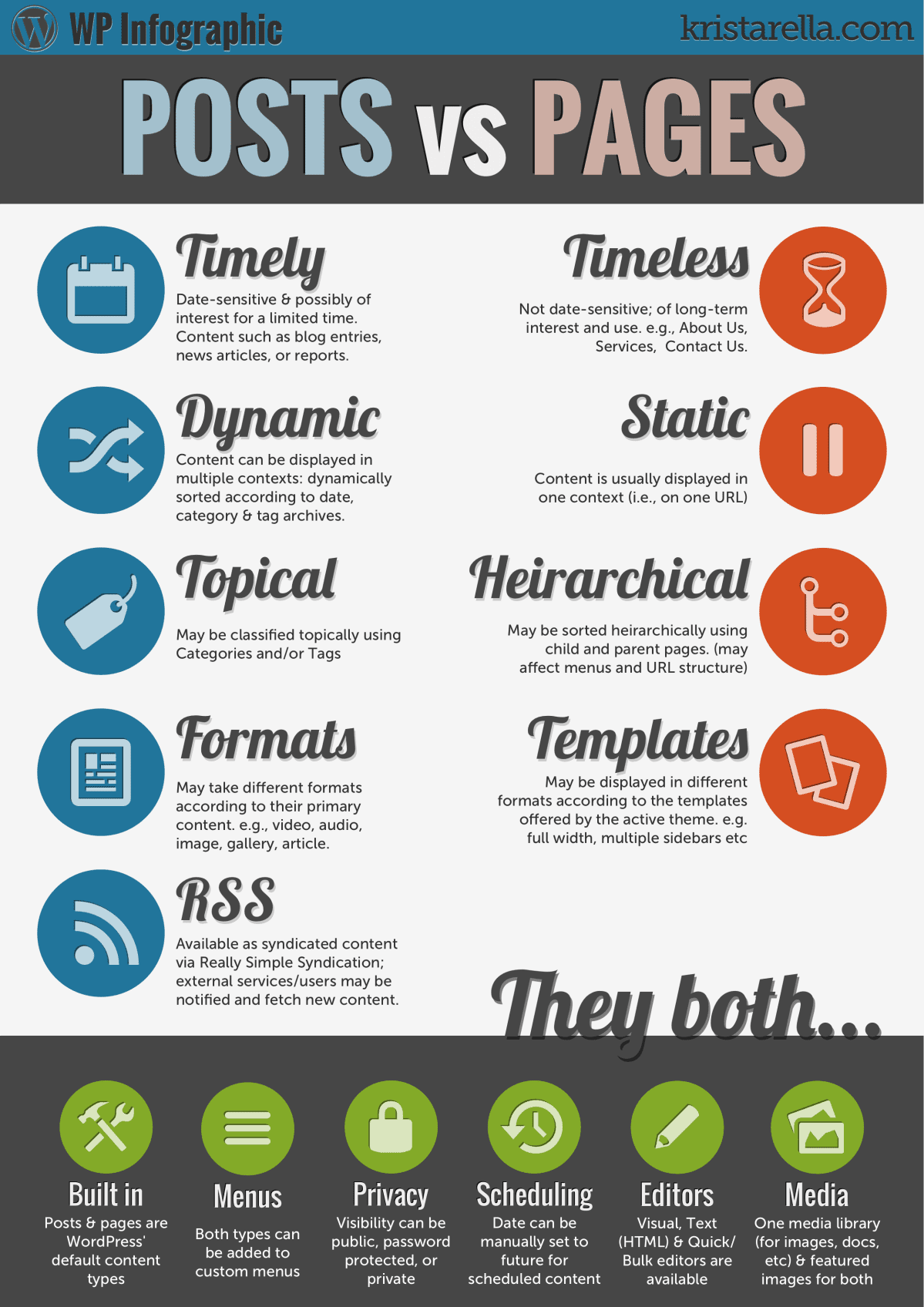
Pages are static. They show information that doesn’t change often. Use them for your About Us or Contact pages. These pages are timeless. They don’t have a date. Good for main information. Use pages for services or products. Pages can have a hierarchy. This means you can have a main page and sub-pages.
Blog posts are dynamic. They are for updates and news. Use blog posts for stories or news articles. They have a date and show on the blog feed. Posts are great for engagement. People can comment on them. Posts help with SEO because they are fresh content. Categories and tags help organize them.
Credit: www.elegantthemes.com
Seo Considerations
Pages and blog posts on WordPress serve different purposes. Pages are static, ideal for timeless content like ‘About Us’. Blog posts are dynamic, perfect for regularly updated content. Each has unique SEO impacts, influencing website visibility and engagement. Understanding these differences enhances content strategy.
Optimization For Pages
Pages on WordPress often have static content. They need strong keywords in titles and headers. Meta descriptions are important for pages. They should be concise and clear. Internal linking helps with page ranking. Links should lead to relevant content. Use alt text for images. This improves accessibility and SEO. Pages should load quickly. Speed affects user experience and ranking. Keep content simple and focused.
Optimization For Blog Posts
Blog posts need fresh keywords in each article. Titles should be catchy and informative. Meta tags guide search engines. Use them wisely. Regular updates keep content fresh. Link to older posts for better SEO. Images need alt text and captions. This aids searchability. Comments can boost engagement. They add value to posts. Posts should be shareable on social media.
Structure And Organization
Pages have a clear hierarchy. They can be arranged as parent and child. This helps in organizing related content. For example, a “Services” page may have child pages like “Web Design” or “SEO.” Pages do not appear in the blog feed. They are static and timeless. This makes them perfect for important information, like contact details. Pages do not have tags or categories.
Posts are sorted by date. New posts appear at the top. This makes it easy to see the latest updates. Posts can be tagged and categorized. This helps in finding related articles. Posts appear in the blog feed. They are ideal for news and updates. Posts are more dynamic than pages. They keep your site fresh and engaging. Posts can be commented on by readers.
Customization Options
Pages offer more design flexibility compared to blog posts. You can use different templates and layouts. Pages are perfect for static content like About Us or Contact pages. They often have a more professional look. You can include images, videos, and text. This makes pages feel unique and important.
Blog posts are often grouped into categories. This helps readers find related content. Posts can have different formats such as audio, video, or gallery. These formats make posts more engaging. Posts usually have a publication date. This helps to show the latest updates. Frequent updates keep the blog lively.
User Interaction
Comments on blog posts allow users to engage. They can share thoughts easily. Pages usually don’t have comment sections. Pages are more static. They provide information, not interaction.
Comments And Engagement
Blog posts encourage reader interaction. Comments create a conversation. People can ask questions. They can discuss content. This builds a community. Interaction helps improve content. Pages are different. They often stay unchanged. Pages are more like a book chapter.
Social Sharing Features
Blog posts have social sharing buttons. Readers can share posts on social media. This increases visibility. More people see the content. Pages often lack these features. They focus on delivering specific information. Social sharing is important for blog growth. It helps reach more readers.
Management And Maintenance
Pages need less frequent updates. They are for permanent content. Think of “About Us” or “Contact” pages. Changes are rare. But they must be accurate. Always check for errors. Keep information current.
Blog posts require regular updates. Fresh content keeps readers coming back. New posts should be added often. It’s important to fix errors quickly. Update old posts with new information. This helps with SEO. It keeps your blog relevant and engaging.
Frequently Asked Questions
What Are Pages In WordPress?
Pages in WordPress are static and timeless. They are used for content like About Us, Contact, and Services. Unlike blog posts, pages don’t have a publication date or author. They are organized hierarchically, making them ideal for structured content. Pages help present essential information about your website.
How Do Blog Posts Differ From Pages?
Blog posts are dynamic entries listed in reverse chronological order. They are ideal for timely content like news and updates. Posts can be categorized and tagged for better organization. Unlike pages, blog posts encourage reader interaction through comments. They keep your website fresh and engaging.
Can Pages Have Categories Like Blog Posts?
Pages cannot have categories like blog posts. Pages are hierarchical and not organized by categories or tags. This structure is suitable for content that doesn’t require categorization. For example, pages like ‘About Us’ or ‘Contact’ stand alone, providing essential information.
Are Pages Or Posts Better For Seo?
Both pages and posts can be optimized for SEO. Posts are better for targeting keywords and driving traffic with fresh content. Regularly updated blog posts help improve search engine rankings. Pages, however, are essential for providing static, authoritative information to your audience.
Conclusion
Understanding the difference between pages and blog posts in WordPress is key. Pages are static. They hold permanent content. Use them for About or Contact details. Blog posts are dynamic. They update regularly with new content. Perfect for news or updates.
Knowing this helps you organize your website better. It enhances user experience. Users find what they need quickly. Your website becomes more effective. Easier navigation means happier visitors. They stay longer. Return more often. WordPress offers flexibility. Use it wisely to achieve your goals.