You’ve just installed WordPress, and you’re ready to dive into the world of blogging or manage your new website. But what comes next?
It’s like buying a new car; you wouldn’t just leave it in the driveway. You’d want to make sure it’s ready to hit the road. The same goes for your WordPress site. Setting it up properly from the start can save you headaches down the line and ensure you’re on the path to success.
We’ll guide you through the essential steps to take right after your WordPress installation. These steps will not only optimize your site for performance but also enhance user experience and boost your search engine ranking. Ready to make your site shine? Let’s get started!
Credit: www.wpbeginner.com
Secure Your WordPress Site
Hackers can guess the default admin username. It is easy for them. Create a new user with a strong name. Give it admin rights. Delete the old admin account. This is a simple step. It keeps your site safer.
A strong password is like a strong lock. Use at least 12 characters. Mix letters, numbers, and symbols. Do not use common words. Change your password often. This makes your site hard to hack.
Two-factor authentication adds extra security. You need a code to log in. The code comes to your phone. Even if hackers get your password, they cannot log in. This makes your site much safer.
Credit: www.elegantthemes.com
Configure Basic Settings
Choose a clear and simple site title. This helps people know your site. Add a tagline that tells what your site is about. Go to the settings menu in WordPress. Find the option for title and tagline. Type them there. Save changes to keep them.
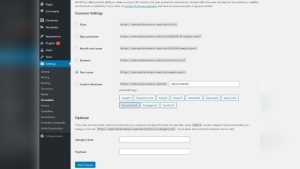
Permalinks are the URLs for your pages. Use a simple structure. This makes it easy for people to read. Go to the permalink settings. Choose the option with the post name. This way, URLs show the page’s topic. Save the changes to update your site.
Set the correct time zone for your area. This helps with scheduling posts. Find this in the general settings. Pick your country’s time zone. Also, choose the right language for your audience. This makes your site easier to understand. Save your settings to apply them.
Install Essential Plugins
Adding SEO plugins helps your site get found on search engines. These tools make your content visible and easy to discover. Yoast SEO and All in One SEO Pack are popular choices. They make SEO simple for everyone.
Security plugins keep your site safe from bad people. They block hackers and protect your data. Wordfence and Sucuri Security are great options. These plugins are easy to use and very strong.
Speed is important for any website. Caching plugins make your site load faster. Faster sites make visitors happy. W3 Total Cache and WP Super Cache are popular caching tools. They help your site run smoothly.
Choose And Customize A Theme
A responsive theme is crucial for your site. It makes your site look good on all devices. Check the theme library for options. Choose a theme with a clean layout. This helps visitors find what they need. Test the theme on different devices. Ensure it loads quickly.
Customize the theme settings to match your brand. Change the colors and fonts to suit your style. Add your logo for a personal touch. Check the header and footer settings. Make sure they provide useful links. Preview changes before saving.
Mobile optimization is important. Many people use phones to browse. Make sure your site is easy to use on small screens. Check the menu. Ensure it’s simple and clear. Images should load fast. This keeps visitors happy. Test the site on different phones.
Set Up Analytics
Integrate Google Analytics to see who visits your site. It is easy. Just use a plugin. Then get your Google Analytics code. Paste it in the plugin. Check if it works. Visit your site. See if data shows up in Google Analytics.
Track User Behavior to know what users like. Find out which pages they visit most. See how long they stay. Look for patterns. Understand what users do. Use this data to make your site better.
Monitor Site Performance to keep your site fast. See how quick your pages load. Check your site’s speed score. Use tools like Google PageSpeed Insights. Aim for a high score. Fix slow pages. Speed helps keep visitors happy.
Create Essential Pages
About Page: This page tells visitors who you are. Share your story. Explain your mission. Keep it simple. Use short sentences. Make it personal. People love stories. They connect with them.
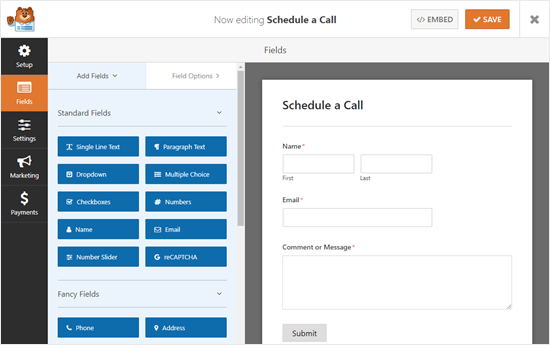
Contact Page: Make it easy for visitors to reach you. Add your email. Share your phone number. Include a contact form. Keep information clear. People should know how to contact you.
Privacy Policy: This page is important. It tells users what you do with their data. Explain how you use cookies. Tell them about third-party services. Keep it clear. Make sure people understand. Trust is important.
Regular Backups
Picking the right backup tool is important. Many plugins offer backup solutions. Choose one that is easy to use. Some popular options are UpdraftPlus and BackWPup. These tools help save your site data. Always ensure the tool is reliable and trusted.
Set up a regular schedule for backups. Daily or weekly backups are best. This ensures your data is safe. Many backup plugins can automate this. With automated backups, your site is always protected. Never worry about losing important information.
Keep your backups in a safe place. Use cloud storage like Google Drive or Dropbox. This keeps your data secure. Having multiple copies is always smart. Also, store a copy on an external drive. This extra step ensures full safety.
Optimize Site Performance
Images can slow down your website. Compress them to make them smaller. This helps pages load faster. Use tools like TinyPNG or ImageOptim. Smaller images save space. Faster pages make visitors happy. Everyone likes a speedy site.
Large CSS and JavaScript files can slow a site. Shrink these files to make them faster. Use tools like Minify. Keep only what you need. Less code means faster loading. A fast website keeps users engaged.
Content Delivery Networks, or CDNs, store your site files. They send files from places close to users. This speeds up loading time. Faster loads mean happy visitors. CDNs help sites stay quick and smooth.

Credit: www.youtube.com
Frequently Asked Questions
What Plugins Should I Install First On WordPress?
After installing WordPress, consider adding essential plugins. Start with a security plugin like Wordfence. Install an SEO plugin such as Yoast SEO to optimize content. Consider a backup plugin like UpdraftPlus for data safety. A caching plugin, like W3 Total Cache, can improve site speed.
Finally, install a contact form plugin like WPForms.
How To Improve WordPress Site Speed?
To boost WordPress speed, use a caching plugin like W3 Total Cache. Optimize images with a plugin like Smush. Choose a lightweight theme and minimize the use of heavy plugins. Use a Content Delivery Network (CDN) for faster loading. Regularly update WordPress, themes, and plugins for optimal performance.
How To Secure My WordPress Website?
Secure your WordPress site by using a strong password and changing the default “admin” username. Install a security plugin like Wordfence. Keep WordPress, themes, and plugins updated. Regularly back up your site with a plugin like UpdraftPlus. Limit login attempts to prevent brute force attacks.
How Do I Set Up WordPress Permalinks?
To set up permalinks, go to your WordPress dashboard. Navigate to Settings > Permalinks. Choose the desired permalink structure, usually “Post name” for SEO. Save the changes to update the URL structure. Permalinks help improve your site’s SEO and make URLs more user-friendly.
Conclusion
Completing your WordPress setup is just the beginning. Stay active. Regularly update plugins and themes. Secure your site with strong passwords. Customize your site to match your vision. Monitor your site’s performance. Use analytics to track visitor behavior. Engage with your audience through comments.
Keep learning and exploring new features. This will help your site grow. A well-maintained site attracts more visitors. Remember, consistent effort leads to success. Enjoy your WordPress journey!