Ever stumbled upon a WordPress site and wondered, “What WordPress plugin is this?” You’re not alone.
Whether you are a seasoned developer or a curious beginner, the allure of uncovering those secret ingredients that make a website tick is irresistible. Imagine the power of knowing exactly what tools your favorite sites use, allowing you to replicate and even enhance their functionality on your own platform.
This isn’t just about satisfying curiosity; it’s about unlocking new possibilities for your website. Dive into this guide, and you’ll discover how to unveil the mystery behind any WordPress plugin, empowering you to elevate your site’s performance and user experience. Ready to transform your website into a powerhouse? Let’s get started!
Identifying Plugins
Curious about identifying WordPress plugins on a site? Several tools can help uncover hidden plugins. Discover which plugin powers a feature or function by entering the website URL into specialized tools designed for WordPress exploration.
Common Methods
Many websites use plugins for extra features. Identifying a plugin can be tricky. Check the page source code for clues. Look for files or names related to plugins. Search online for plugin lists or databases. Some websites list plugins used by popular sites. Ask the website owner directly. They might share the plugin name. Join forums to discuss plugins. Other users may know the plugin you seek. Sometimes, plugins have visible branding. Look for logos or names on the site.
Using Plugin Detectors
Plugin detectors are tools that help find plugins on websites. Wappalyzer is a popular choice. It checks websites for plugins and software. BuiltWith offers similar features. It shows tech details about websites. Chrome extensions can also help. Some extensions reveal plugins on pages. Install a detector and visit the site. The tool will scan for plugins. Read the results to find plugin names. These tools make finding plugins easier.

Credit: webassets.uncg.edu
Top Plugin Detectors
Many websites provide free tools to detect WordPress plugins. These tools are easy to use and require no cost. One popular tool is WPThemeDetector. It shows detailed plugin information. Another is WhatRuns. It is a browser extension. It identifies plugins while you browse. BuiltWith is another option. It offers basic plugin info for free. These tools help understand a site’s plugins. No need to install anything. Just enter a website URL. Get results quickly. Perfect for beginners and pros alike.
Premium tools offer more features and details. Wappalyzer is a paid service. It provides extensive plugin data. Netcraft offers premium solutions too. It gives deep insights into website plugins. These tools are ideal for professionals. They save time and offer great value. Some tools come with free trials. This helps you test before buying. Premium tools are reliable. They ensure accurate plugin detection.
Manual Inspection
Inspecting the source code helps find hidden plugins. Right-click on the webpage. Click “View Page Source.” This opens the site’s code. Look for lines starting with “wp-content/plugins/”. These lines show plugins used. Sometimes, plugin names are in comments. Comments can be helpful hints. Search for “” and “” in the code. Not all plugins will show up. Some plugins hide their code.
Admin dashboard is a useful tool. Log into WordPress admin panel. Go to “Plugins” section. See all installed plugins there. Active plugins are marked. Deactivated plugins are not active. Check plugin descriptions for details. Some plugins have settings pages. Explore these settings for more info. The dashboard provides plugin updates. Keeping plugins updated is important. Updated plugins work better. They also improve security.
Popular Plugins To Know
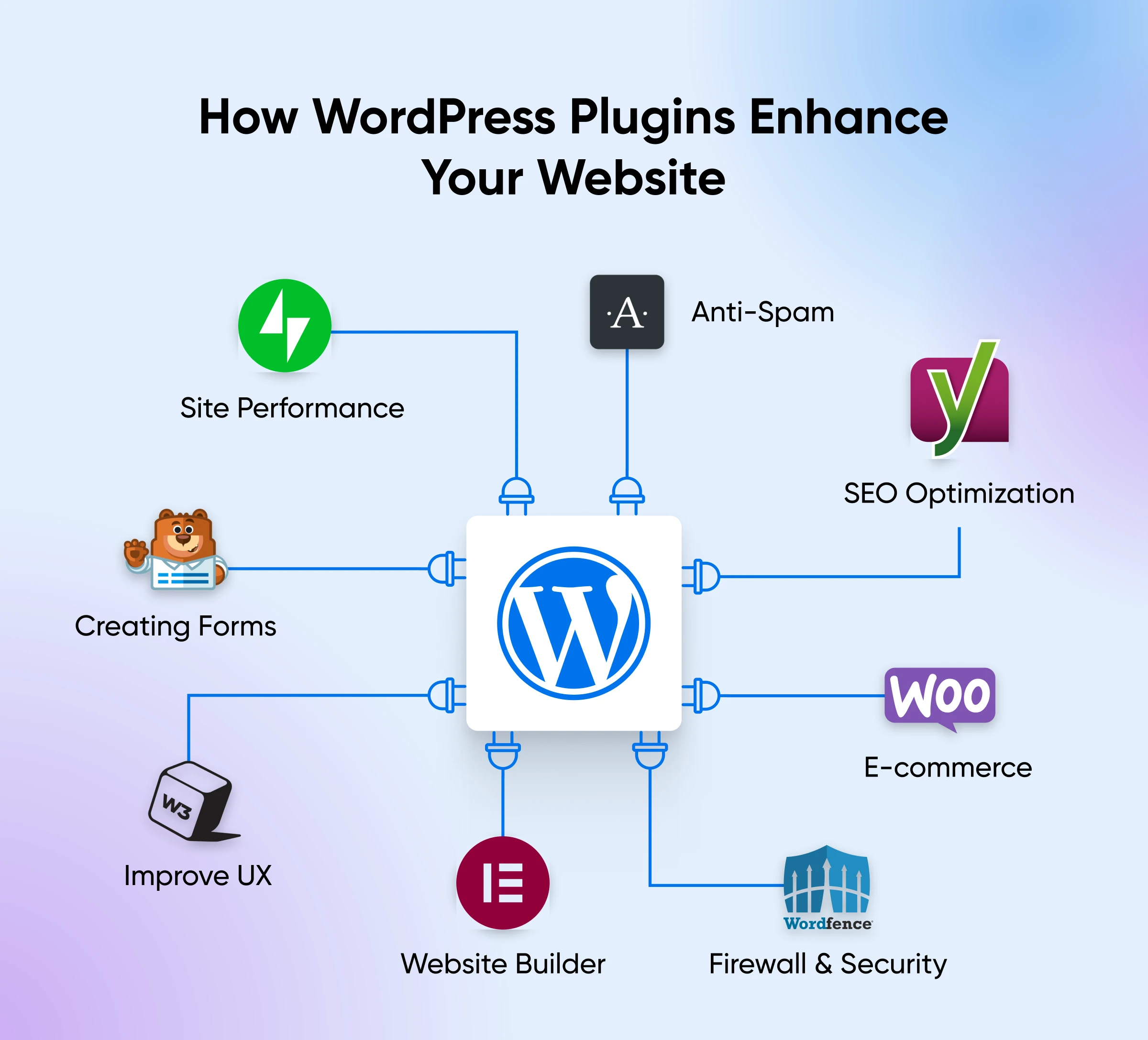
SEO plugins help your site rank better. They make changes to improve your site’s visibility. Yoast SEO is a popular choice. It helps with keywords and content analysis. Another good one is All in One SEO Pack. This plugin is user-friendly. It offers advanced features for experienced users.
Keeping your site safe is important. Security plugins can help. Wordfence is a well-known plugin. It offers firewall and malware scan features. iThemes Security is another option. It provides an easy setup. It also protects against common threats. These plugins help keep your site secure.
Fast websites make users happy. Performance enhancers boost your site speed. WP Super Cache helps create static HTML files. This makes loading faster. W3 Total Cache is another tool. It improves user experience and reduces load time. These plugins make your site run smoothly.
Evaluating Plugin Quality
User reviews show real experiences. Happy users often share positive stories. Negative reviews can be a warning sign. Look for patterns in feedback. Many good reviews mean people trust the plugin. Some users may give specific tips. These tips can help others use the plugin better. Listen to what people say.
Developer support is key for plugins. Good support helps solve problems fast. Developers should reply quickly to questions. Check if they have a support page. See if they give clear instructions. This shows they care about users. Strong support means a reliable plugin.
Update frequency matters for plugin health. Regular updates fix bugs. They improve features. Plugins should be updated often. This shows developers are active. Frequent updates mean better security. It keeps the plugin fresh. Check the last update date.
Credit: www.dreamhost.com
Troubleshooting Plugin Issues
Identifying the cause of plugin issues can be tricky. The tool “What WordPress Plugin is This” helps pinpoint problematic plugins by analyzing your site. This simplifies the troubleshooting process, making it easier for users to resolve conflicts without extensive technical knowledge.
Compatibility Problems
Plugins might not work well with your theme. Themes can have unique styles. These styles may conflict with plugins. Check plugin details for compatibility. Updates often fix issues. Ensure your theme is up-to-date. Update plugins regularly. Outdated plugins cause problems. Read user reviews for tips. Reviews can help avoid bad plugins.
Performance Conflicts
Plugins can slow your site down. Site speed is important. Check plugin performance before use. Some plugins use too many resources. This can affect speed. Use plugins that are optimized. Look for plugins with good ratings. Ratings show user satisfaction. Disable plugins not in use. Fewer plugins mean better speed. Test site speed after installing plugins.
Enhancing WordPress Experience
Plugins help you change your WordPress site. Choose plugins that match your needs. Some plugins make your site faster. Others help with design. Pick plugins with good reviews. Check if they are updated often. Avoid plugins that slow your site.
Use fewer plugins for better performance. Update them regularly. Check compatibility with your WordPress version. Read instructions carefully before installing. Test plugins on a backup site first. Remove unused plugins to free space. Keep your site clean and simple.
Credit: www.fixrunner.com
Frequently Asked Questions
How Do I Identify A WordPress Plugin?
To identify a WordPress plugin, use online tools like “What WordPress Theme Is That. ” These tools scan websites and list installed plugins. Alternatively, view the page source code and look for plugin-specific scripts or styles. This method can help uncover hidden plugins.
Are There Tools To Find WordPress Plugins?
Yes, tools like “What WordPress Theme Is That” and “Wappalyzer” can detect WordPress plugins. These tools analyze websites and list the active plugins. They provide a quick way to identify plugins without accessing the site’s backend.
Why Should I Know The Plugins Used?
Knowing the plugins used helps optimize your website’s performance and security. It can also inspire new features for your site. By understanding popular plugins, you can improve your site’s functionality and user experience.
Can Plugins Affect Website Performance?
Yes, plugins can significantly impact website performance. Poorly coded plugins can slow down your site and increase load times. Always choose well-reviewed, regularly updated plugins to maintain optimal performance and security.
Conclusion
Exploring WordPress plugins can feel overwhelming. Yet, knowing the right tools helps. This guide aimed to simplify that journey for you. Identifying plugins becomes easier with practice. Each plugin adds unique features to your site. Choose wisely for your specific needs.
Stay informed with regular updates. This ensures better performance and security. Experiment with different plugins. Find what best suits your website goals. Always back up your site before trying new plugins. This prevents potential issues. Your WordPress experience improves with the right plugins.
Happy exploring and enhancing your website!