
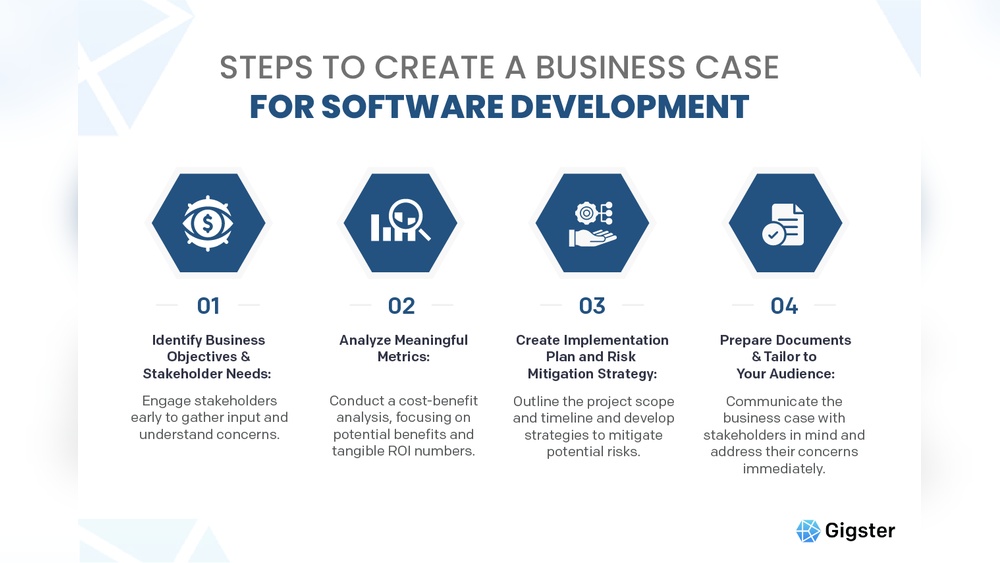
When you’re planning a new software project, creating a strong business case is your first crucial step. It’s not just a formality—it’s your chance to clearly show why your idea matters and how it will succeed.
But what exactly should you include to make your business case stand out and convince decision-makers? This guide will walk you through the key elements you need to cover. By the end, you’ll know how to build a clear, persuasive case that gets your project the green light.
Keep reading to discover the essentials that can turn your software idea into reality.
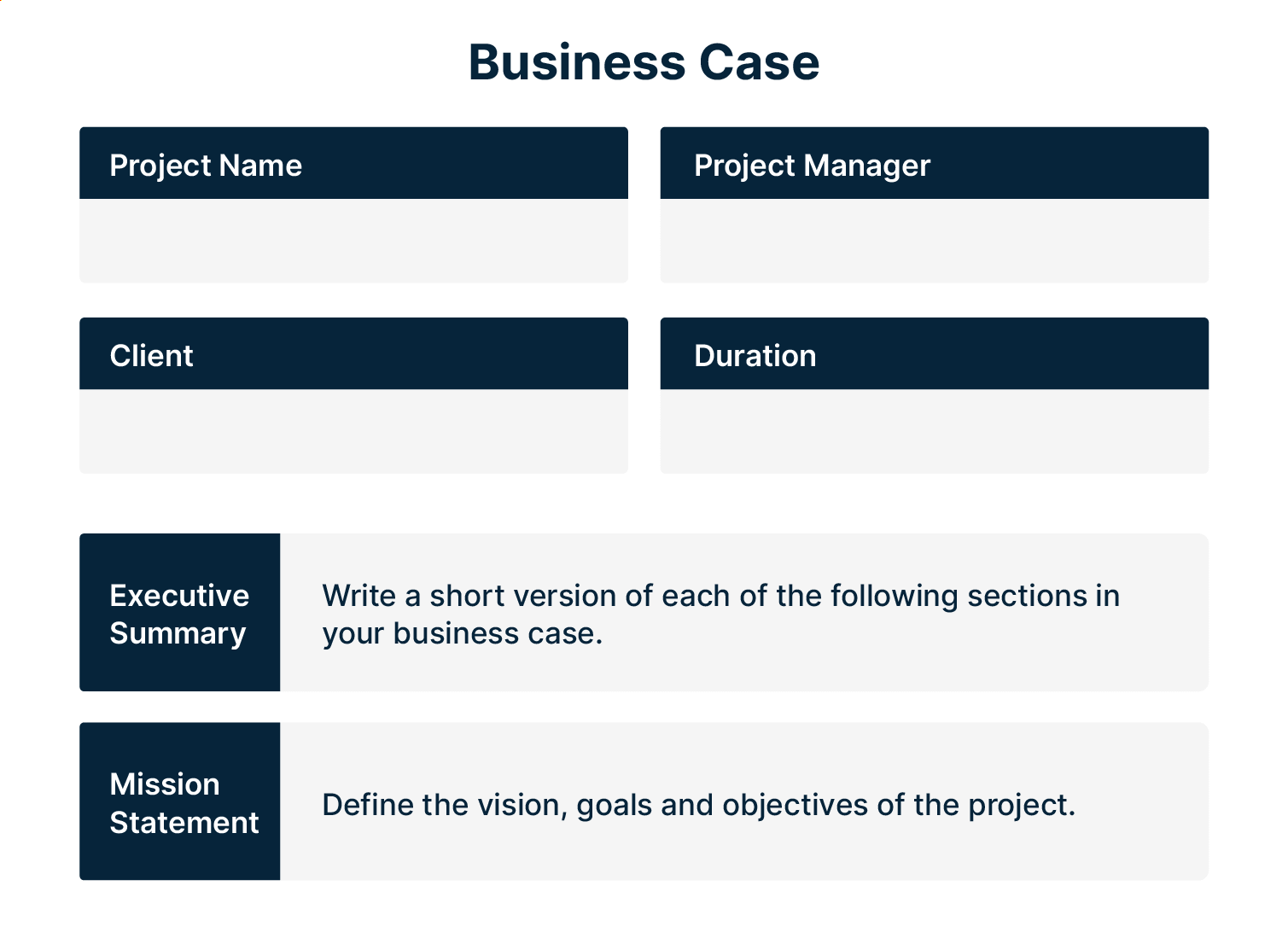
Executive Summary
The executive summary is the first part of a software business case. It gives a quick overview of the whole project. This section helps decision-makers understand the main points without reading the full document. It should be clear and concise.
Write the summary so it grabs attention. Include only the most important details. Keep it short but informative. The goal is to provide enough info to spark interest.
Purpose Of The Executive Summary
State the main goal of the software project. Explain why the project matters. Highlight the problem it solves or the opportunity it creates. This helps readers see the value right away.
Key Benefits And Outcomes
List the main benefits of the software. Focus on what the project will achieve. Mention improvements, cost savings, or new capabilities. Show how the software adds value to the business.
Summary Of Costs And Resources
Give an overview of the budget needed. Include major cost areas like development and support. Mention key resources required such as staff or technology. This helps set expectations early.
Project Timeline And Milestones
Outline the estimated time to complete the project. Highlight major milestones or phases. This gives readers a sense of the schedule and progress checkpoints.
Call To Action Or Next Steps
End the summary with what needs to happen next. Suggest approvals, meetings, or reviews. This guides readers on how to move forward with the project.
Business Objectives
Business objectives are the foundation of a software business case. They explain why the project matters. Clear objectives help guide decisions and measure success.
These goals show what the business wants to achieve. They connect the software project to larger company plans. Without strong objectives, the project can lose focus.
Define Clear Goals
Start by listing specific goals. These goals should be easy to understand and measure. For example, reducing costs or improving customer service.
Clear goals make it easier to track progress. They also help teams stay aligned and motivated.
Align With Company Strategy
Business objectives must support the overall company strategy. The software should help the business move forward in key areas.
This alignment shows how the project adds value to the company. It also helps get support from leaders and stakeholders.
Focus On Measurable Outcomes
Objectives should include measurable results. Numbers and data help prove the project’s success.
Examples are increasing sales by 10% or cutting response time by half. Measurable outcomes make the business case stronger.
Problem Statement
The problem statement is a key part of any software business case. It clearly defines the issue the software aims to solve. This section sets the stage for the project by explaining why the software is needed.
A strong problem statement helps everyone understand the challenge. It guides decision-makers and stakeholders through the project’s purpose. Without it, the business case can seem unclear or incomplete.
Identifying The Core Issue
Start by describing the main problem in simple terms. Explain what is wrong or missing in the current system. Focus on the exact pain points users or the business face. Avoid vague or broad descriptions.
Explaining The Impact
Show how the problem affects business goals or users. Mention lost time, money, or customer dissatisfaction. Use facts or figures if available. This helps show why solving the problem matters.
Highlighting Who Is Affected
Identify the people or teams impacted by the problem. This could be customers, employees, or partners. Knowing who feels the problem makes the case more relatable. It also helps target the software solution better.

Credit: www.cledara.com
Proposed Solution
The Proposed Solution section explains the software plan in detail. It shows how the software will solve the problem. This part helps decision-makers understand the idea clearly.
Describe the main features of the software. Explain how these features address specific needs or issues. Keep the explanation simple and focused on benefits.
Software Description
Give a clear overview of the software. Mention its purpose and main functions. Use simple terms to explain technical parts.
Key Benefits
List the benefits the software will bring. Include time savings, cost reduction, or improved performance. Show how it helps users or the business.
Technology And Tools
Describe the technology and tools used to build the software. Mention programming languages, platforms, or frameworks. Explain why these choices fit the project.
Outline the steps to develop and launch the software. Include timelines and milestones. Show how the project will stay on track.
Risk Management
Identify possible risks related to the software solution. Explain how to reduce or handle these risks. This builds trust in the plan.
Market Analysis
Market analysis is a key part of a software business case. It helps to understand the market environment. This section shows the demand and potential for your software product. Clear market analysis guides better decisions and planning.
Target Audience
Identify who will use your software. Describe their age, job, location, and needs. Know their problems and how your software helps. Focus on groups with the highest demand. This step ensures your product fits the users well.
Competitive Landscape
List main competitors offering similar software. Compare their strengths and weaknesses. Note their pricing, features, and market share. Understand what makes your product different or better. This insight helps to position your software smartly in the market.
Credit: www.actualtechmedia.com
Financial Benefits
Financial benefits are a key part of any software business case. They show how the project will help save money or make more money. Clear financial details help decision-makers understand the value of the software. This section highlights the main financial points.
Cost Estimates
Cost estimates list all expected expenses for the software project. Include development, licensing, and maintenance costs. Don’t forget training and support expenses. Accurate estimates prevent surprises and help set budgets. Break costs down by phases or features for clarity. Use realistic numbers based on research or past projects.
Return On Investment
Return on investment (ROI) measures profit compared to cost. Show how much money the software will save or earn. Include increased efficiency, reduced errors, or faster processes. Calculate ROI using simple formulas to keep it clear. A positive ROI proves the project is worth funding. Explain the time frame to reach this return.
Risks And Mitigation
Risks and mitigation are key parts of a software business case. They show potential problems and how to handle them. This helps decision makers feel more confident about the project.
Identifying risks early can save time and money. Planning ways to reduce risks keeps the project on track. This section explains common risks and how to manage them.
Identifying Potential Risks
List possible risks that could affect the software project. Think about technical issues, budget limits, and team skills. Also, consider changes in market needs or technology.
Assessing Risk Impact
Explain how each risk might affect the project. Describe its impact on cost, schedule, and quality. Use clear terms so everyone understands the severity.
Developing Mitigation Strategies
Show specific actions to reduce each risk. This may include extra testing, training, or backup plans. Make strategies practical and easy to follow.
Monitoring And Controlling Risks
Describe how risks will be tracked during the project. Set regular check-ins and update plans as needed. Early detection helps prevent bigger problems later.
Credit: dti.delaware.gov
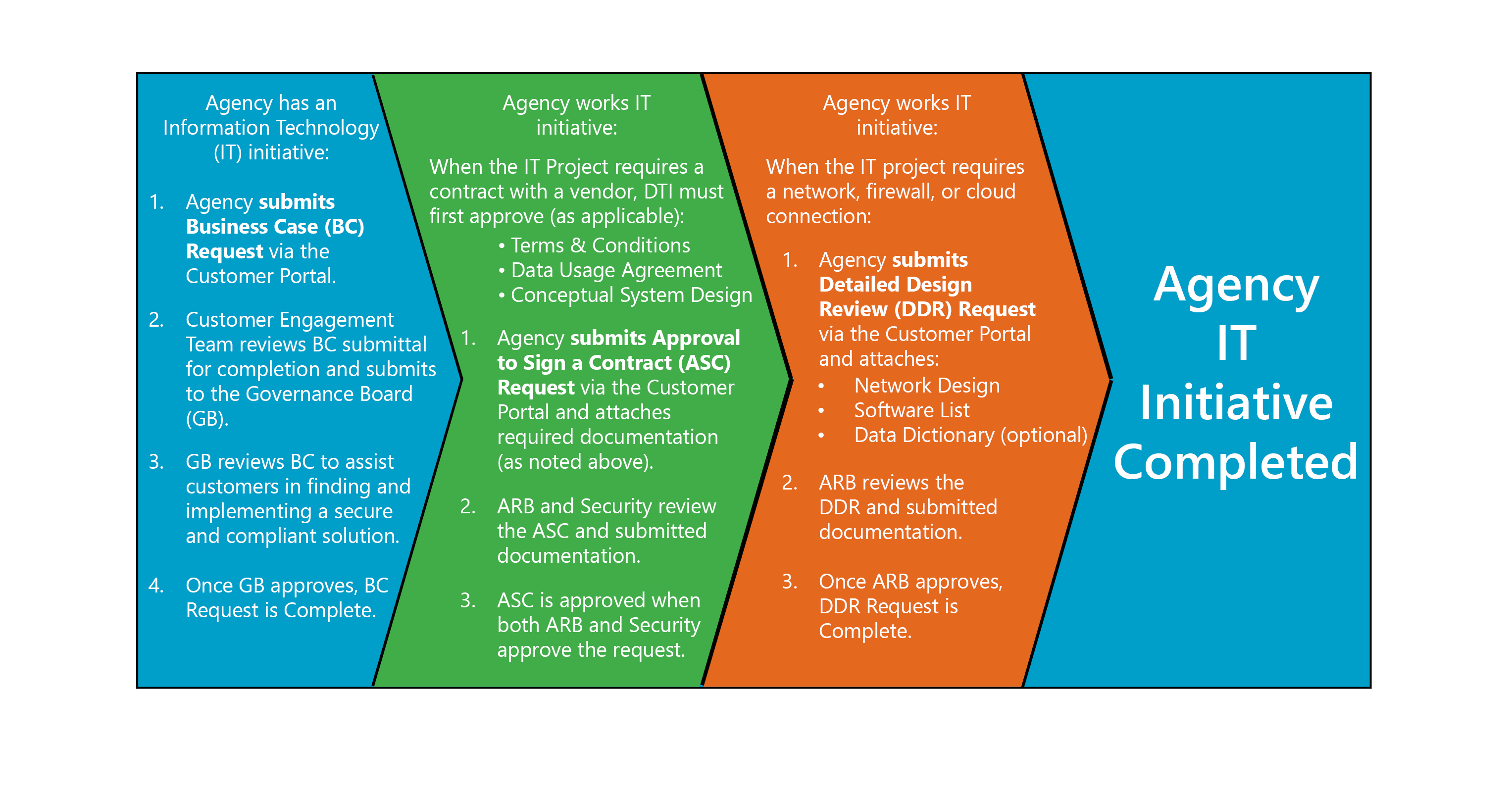
Implementation Plan
The implementation plan is a key part of a software business case. It explains how the project will move from idea to reality. This plan guides the team through each step. It also helps stakeholders understand what to expect during the process.
A clear implementation plan reduces risks and surprises. It shows that the project is well thought out and manageable. This section covers the timeline and resource needs needed to finish the project on time and budget.
Timeline
The timeline breaks the project into clear phases. Each phase has specific tasks and deadlines. This schedule helps keep the project on track. It shows when key milestones will be reached.
Setting realistic deadlines is important. It prevents delays and keeps the team focused. The timeline should include testing and review periods. These steps ensure the software meets requirements before launch.
Resource Requirements
Resource requirements explain what people and tools the project needs. This includes developers, testers, and managers. It also covers hardware, software, and any other materials.
Knowing resource needs helps plan budgets and schedules. It avoids shortages that can slow down work. Clear resource planning supports smooth and efficient implementation.
Performance Metrics
Performance metrics show how well the software project meets its goals. They provide clear numbers to measure success and areas that need improvement. These metrics help decision-makers understand the value of the software investment.
Including performance metrics in a business case makes it easier to track progress. It also supports better planning and resource use. Clear metrics reduce uncertainty and build confidence among stakeholders.
Key Performance Indicators (kpis)
KPIs are specific numbers that show progress towards main goals. Choose KPIs relevant to the software’s purpose. Examples include user adoption rate, system uptime, and response time.
KPIs must be easy to measure and report regularly. They help keep the project on track and highlight any problems early.
Return On Investment (roi)
ROI measures the financial gain from the software compared to its cost. It shows if the project is worth the investment. Calculate ROI by comparing benefits like cost savings and revenue growth against expenses.
Presenting ROI clearly helps justify the project to managers and investors.
User Satisfaction Metrics
User satisfaction shows how well the software meets user needs. Collect data through surveys, feedback forms, or user interviews. High satisfaction rates often lead to better adoption and fewer support issues.
Include simple scores or ratings to make this data easy to understand.
Operational Efficiency Metrics
These metrics measure how the software improves business processes. Examples include reduced processing time, fewer errors, and lower support calls. Tracking efficiency gains proves the software’s impact on daily work.
Use clear, quantifiable data to show improvements.
Frequently Asked Questions
What Is A Software Business Case?
A software business case justifies a software project by outlining its benefits, costs, and risks. It helps stakeholders make informed decisions and secures project approval.
Why Include Financial Analysis In A Business Case?
Financial analysis shows the project’s return on investment (ROI), costs, and potential savings. It ensures the project is financially viable and supports budget decisions.
How Do You Define Project Objectives Clearly?
Project objectives should be specific, measurable, achievable, relevant, and time-bound (SMART). Clear objectives align the team and guide project success.
What Role Do Risks Play In A Software Business Case?
Identifying risks helps prepare mitigation strategies, reducing project failure chances. It ensures stakeholders understand potential challenges and how to handle them.
Conclusion
A clear software business case guides smart decisions. It shows costs, benefits, and risks simply. Including goals, options, and timelines helps teams stay focused. Everyone understands the plan and what to expect. This saves time and avoids confusion later. A strong case supports getting approval and resources.
Keep it clear, honest, and complete. That’s how you build trust and move forward.


