
You’ve just installed your WordPress theme, and you’re probably wondering what’s next. You’re eager to get your website up and running, but a flood of questions might be holding you back.
Are you optimizing your theme correctly? Is your content ready for prime time? Don’t worry, you’re not alone. Many people feel stuck at this stage, but with the right guidance, you can transform your website into something truly remarkable. Imagine your visitors being impressed by your site’s design and functionality, driving them to stay longer and engage more.
Ready to take your WordPress site from bland to brilliant? Let’s dive in and explore the essential steps you need to take after installing your WordPress theme.
Credit: www.elegantthemes.com
Theme Customization Basics
Choose colors that match your style. Make sure the text is easy to read. Bright colors can make text hard to see. Use simple fonts. Fancy fonts look fun, but can be hard to read. It’s good to limit your site to two fonts. This keeps it neat and tidy. You can change colors in the theme settings. Look for the color picker tool. This lets you see how colors look together. Have fun with colors and fonts!
Decide how you want things to look. A clean layout makes it easy to find things. You can choose a layout with one or two columns. Widgets can be added to your layout. They can show popular posts or a search box. Try different layouts to see what you like best. Remember, a simple layout is often the best choice. It helps people find what they need quickly.
Credit: www.greengeeks.com
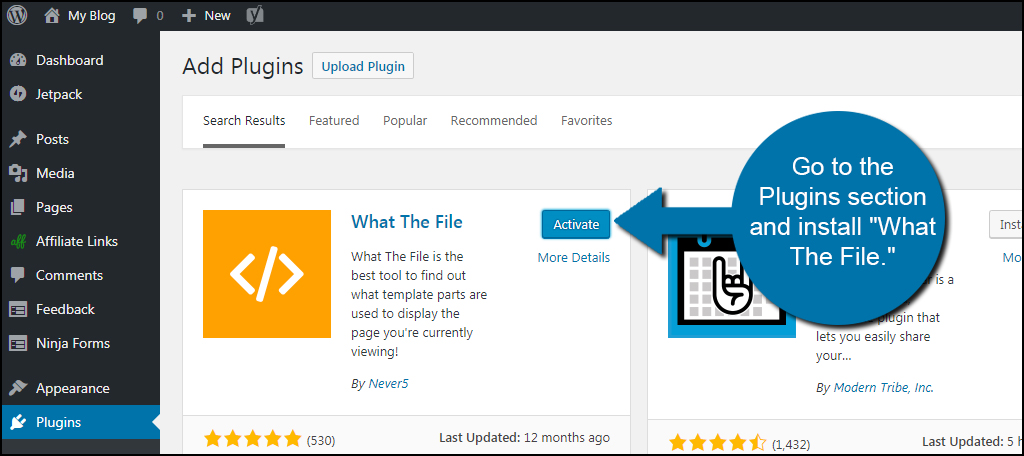
Essential Plugins
A good theme needs strong SEO tools. Use plugins like Yoast SEO or All in One SEO Pack. These tools help improve your site’s visibility. They make sure your content ranks high. They guide you in using the right keywords. They also help with meta descriptions and titles.
Security is crucial for a safe website. Install plugins such as Wordfence or Sucuri. These keep your site secure from hackers. They provide firewall protection. They monitor threats and alert you of any issues. Regular updates are vital for security.
Fast websites attract more visitors. Use performance boosters like WP Rocket or W3 Total Cache. These plugins speed up loading times. They optimize files and images. They also reduce server load. Faster sites lead to happier users.
Content Creation Strategies
Write posts that are fun and easy to read. Use short sentences. Keep paragraphs small. Ask questions to get readers thinking. Share stories or examples. This makes your posts interesting. Use headings to break up text. Readers find it easier to follow. Add lists if needed. They help organize ideas.
Images make your posts pop. Choose clear and bright images. Keep image size small. This helps pages load fast. Use the “alt” text feature. Describe images with simple words. This helps people and search engines. Add videos or audio clips. They make content more interactive. Remember to check media links. They should always work.
Navigation And User Experience
Setting up a clear menu is important. Use simple names for each link. Make sure users find what they need fast. A good menu helps users explore your site. Arrange items in a logical order. Home, About, Contact. Keep the main menu at the top. Easy to reach. Use dropdowns for extra links. But not too many. Simple is best. Check how it looks on phones and tablets. Test every link. Make sure they work.
Accessibility means everyone can use your site. Add alt text to images. Helps people who can’t see them. Use easy words. Make text big enough to read. Choose colors that contrast well. Avoid too many bright colors. Use headers for sections. Helps people find information. Add captions to videos. Include a search bar. Users find things quickly. Test your site. Ensure it’s easy for everyone.
Testing And Feedback
Choose a WordPress theme and test its features. Customize settings to fit your style. Seek feedback from users to improve functionality and design.
User Testing Techniques
Start with simple user testing techniques. Ask friends to try your site. Watch them use it. Their actions tell a lot. Notice where they get stuck. Check if they find information easily. Look at their faces. Are they happy or confused? Collect their thoughts. Make a list of what they say.
Gathering Feedback For Improvement
Feedback helps make your site better. Use forms to gather feedback. Keep questions simple. Ask about design and navigation. Listen to all feedback. Some might surprise you. Feedback shows what users like. It shows what they dislike too. Use this to make changes. Small changes can make a big difference.
Credit: www.kadencewp.com
Launching Your Site
Make sure your website looks great. Check every page and link. Fix broken links and images. Test navigation. Ensure all buttons work. Double-check your content for spelling. Check mobile view. Many people use phones. Look at your website on different devices. Speed is important. Use tools to test it. Make sure it loads fast.
Tell people about your new site. Share on social media. Use Facebook and Twitter. Email friends and family. Let them know. Post updates about your site. Join groups where your audience is. Comment and share your site. Collaborate with others. Partner with sites in your niche. Write guest posts. It helps gain visitors. Celebrate your launch. Share your joy and excitement.
Frequently Asked Questions
How Do I Customize My WordPress Theme?
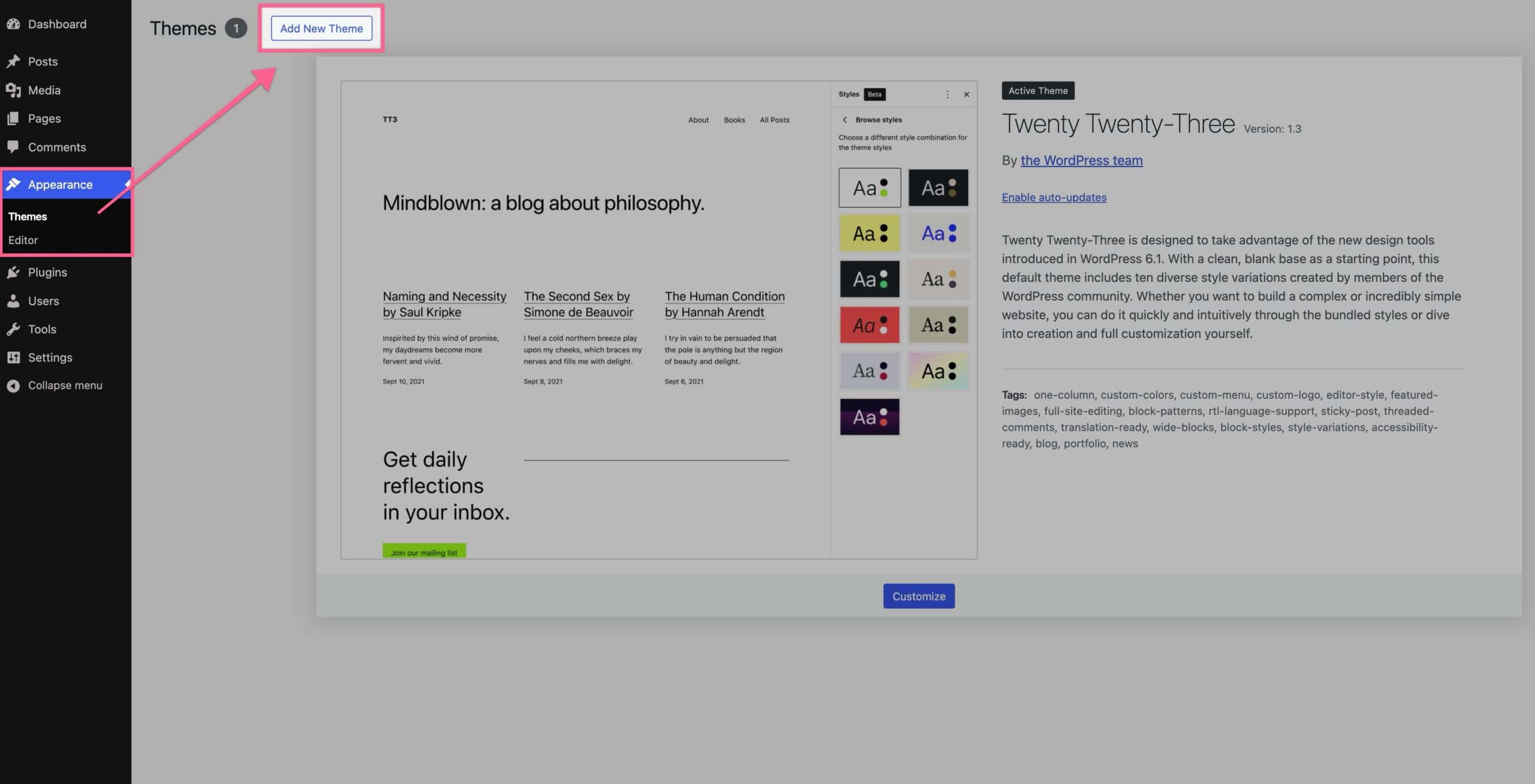
To customize your WordPress theme, navigate to the Appearance section in your dashboard. Click on Customize to access the theme customizer. Here, you can modify various elements such as colors, fonts, and layouts to match your brand identity and preferences.
What Plugins Should I Install First?
Install essential plugins like Yoast SEO for search optimization, Jetpack for performance and security, and Contact Form 7 for forms. These plugins improve functionality, enhance security, and optimize your site for search engines. Choose plugins based on your site’s specific needs and goals.
How Do I Add A New Page In WordPress?
To add a new page, go to your WordPress dashboard and select Pages, then Add New. Enter the page title and content. Once you’re satisfied, click Publish. Customize the page layout using the block editor or page builder plugins for enhanced design.
How Do I Set Up Site Navigation?
In WordPress, site navigation is set up through the Menus option under Appearance. Create a new menu and add pages, categories, or custom links. Arrange items in your preferred order and assign the menu to a location, like the header or footer, for easy navigation.
Conclusion
Your WordPress theme is just the beginning. Customize your site to match your brand. Tweak colors, fonts, and layout. Install essential plugins for added functionality. Optimize your site for speed and mobile users. Secure your site with strong passwords and regular updates.
Craft engaging content that resonates with your audience. Use SEO strategies to improve visibility. Keep your site fresh with regular updates and new content. Monitor your site’s performance with analytics tools. You’re on your way to a great WordPress site.
Keep learning and growing. Your WordPress journey is an exciting adventure.


