
Are you looking to start your own blog on WordPress but feeling overwhelmed by what types of posts you should include? You’re not alone.
The world of blogging is vast, and knowing what content will engage your audience can be a bit daunting. But don’t worry, this guide is here to help you navigate through the different types of posts that can make your WordPress blog stand out.
From informative articles that educate your readers to engaging multimedia posts that capture their attention, each type serves a unique purpose. By understanding the value of each post, you can craft a strategy that resonates with your audience. Read on to discover how to effectively use these posts to transform your WordPress blog into a vibrant hub of information and inspiration.
Credit: wordpress.org
Types Of Blog Posts
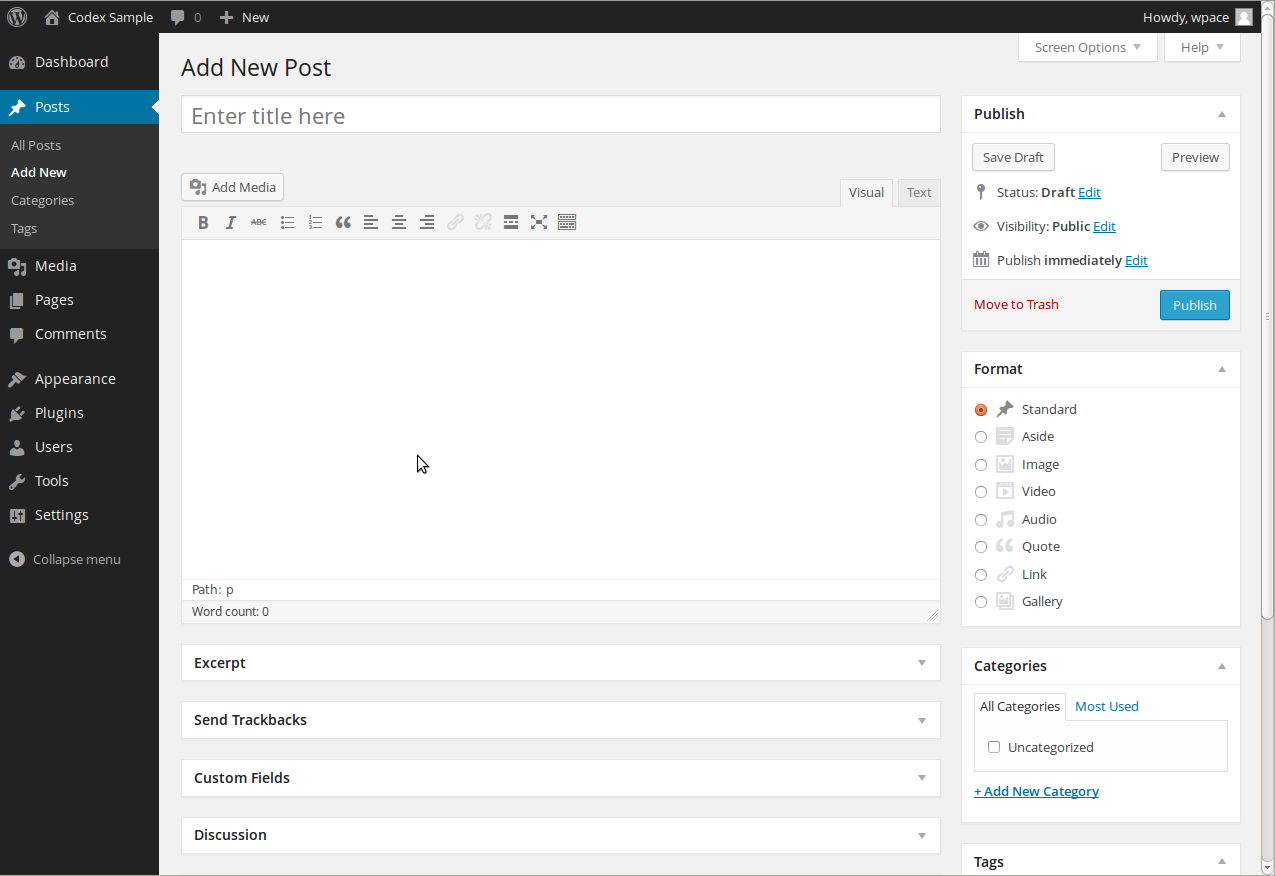
Standard posts are the most common type in WordPress. They include text and images. These posts share ideas and news. Many bloggers use them for daily updates. Readers enjoy their simplicity. Writing them is easy and fast. They help to keep a blog active. Adding tags and categories is simple. This helps with SEO. It makes the blog easy to find.
Video posts use videos to tell stories. They add motion to your blog. Videos engage visitors quickly. Many people like to watch more than read. Video posts can show tutorials or reviews. These posts make your blog lively. Adding descriptions helps viewers understand. Choose a catchy title. It attracts more viewers.
Gallery posts show many images in one spot. They display photos, art, or designs. Perfect for sharing trips or events. Visitors love to see pictures. Galleries make blogs colorful. Use captions to explain each photo. This adds context. Galleries are interactive and fun. Easy to create with WordPress.
Audio posts share sounds or music. Ideal for podcasts or interviews. They allow listeners to hear stories. Audio engages differently than text or video. It adds variety to blogs. Simple to upload and share. A good microphone improves sound quality. Titles and descriptions are important. They guide listeners on what to expect.
Credit: wordpress.com
Content Formats
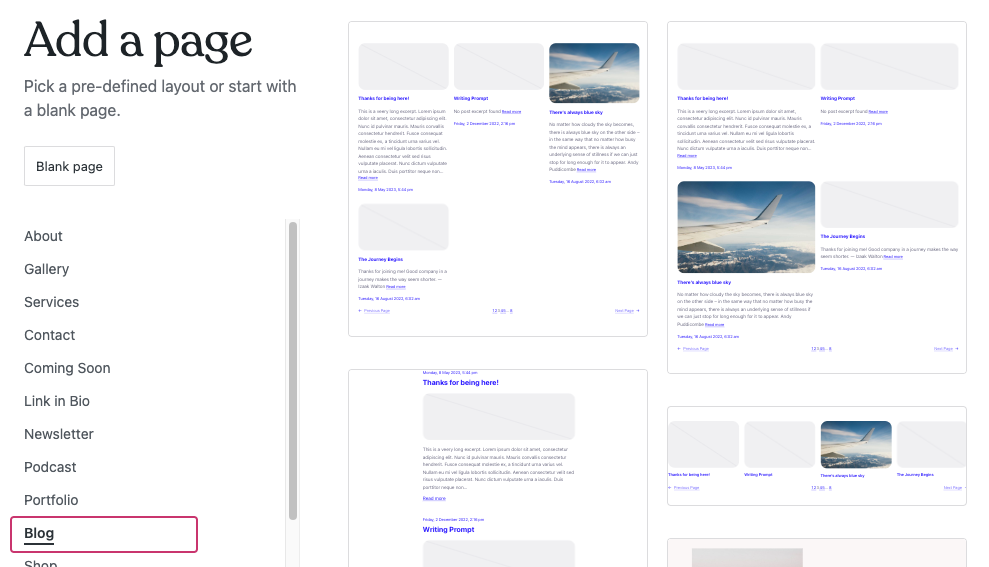
Text posts are the most common on WordPress. They include articles and stories. People use them to share thoughts, opinions, and news. Writers create these posts using simple text. They can add headings and lists to organize their ideas. Text posts are easy to read and understand.
Pictures and videos make a blog interesting. They help explain ideas better. Blogs can have photo galleries and embedded videos. Audio clips can be added too. These elements make the blog fun and engaging. They help keep readers interested.
Quizzes and polls make blogs interactive. Readers can participate and share opinions. Comment sections allow people to discuss topics. Surveys collect feedback from users. These tools make readers feel involved. They help build a community around the blog.
Categorizing Posts
Tags help organize a blog. They act like labels. Tags group similar posts together. This makes it easy for readers. Readers find related topics quickly. Tags improve search within the blog. They also enhance SEO by linking related posts.
Categories structure a blog well. They group posts in broad ways. Each category has many posts. This helps users find specific subjects. Categories improve navigation. They make a blog user-friendly. Categories also boost SEO by organizing content.
Custom taxonomies offer more flexibility. They allow unique grouping. Custom taxonomies fit special needs. They organize content beyond tags and categories. They make a blog more dynamic. Custom taxonomies enhance customization. They provide better control over content.
Post Customization Options
Themes and Templates are the face of your blog. They make your blog look nice. You can choose many themes. Some themes are free. Some themes cost money. Templates give structure to your posts. Pick templates that fit your style. Change templates easily in WordPress.
Widgets and Plugins add cool features to your blog. Widgets sit on the side. They show recent posts or comments. Plugins add functions. They make your blog work better. Some plugins help with security. Others help with SEO. Choose plugins wisely. Too many can slow your blog.
Custom CSS lets you style your blog. CSS changes how your blog looks. It makes colors and fonts different. You can make buttons look special. Custom CSS is for advanced users. Be careful with changes. Wrong CSS can break your blog layout.
Seo Considerations
Use keywords wisely in your blog. Place them in the title. Also in the first paragraph. This helps search engines find your blog. But don’t overuse them. Make sure it reads naturally.
Write a short description for each post. This is called a meta description. It should be catchy. It tells readers what the post is about. Keep it under 160 characters. Use important words here too.
Every image needs alt text. This is a short description. It tells what the image shows. Search engines use this to understand images. It also helps people who can’t see the image. Always include alt text.

Credit: kinsta.com
Engagement And Interaction
Blogs can have a comments section. This lets readers share thoughts. Feedback is important. It helps bloggers improve. Readers feel more connected. They can ask questions. Bloggers often reply to comments. This builds a community.
Social sharing buttons are common on blogs. Readers can share posts on social media. This increases the blog’s reach. More people see the content. It also helps in gaining new readers. Sharing is easy. Just click a button.
Polls and surveys engage readers. They give opinions and vote on topics. Bloggers learn from these. They see what readers like. This helps in creating better content. Polls can be fun. They make readers think and participate.
Scheduling And Automation
Post Scheduling Tools help plan posts for the future. This saves time. Bloggers can write many posts and set them to publish later. This keeps the blog active even on busy days. It is like having a helper.
Automated Sharing means blog posts get shared on social media. Tools can do this without extra work. Once a post is live, it can appear on Facebook and Twitter. This keeps followers updated.
Content Calendar Management organizes all blog posts. It shows what to post and when. This helps bloggers stay on track. Planning ahead is easier with a calendar. It makes blogging less stressful.
Analyzing Performance
Traffic metrics show how many people visit your blog. More visitors mean more readers. Use tools like Google Analytics to track these numbers. Keep an eye on the sources of traffic. Are visitors coming from search engines or social media? This helps you know what works best.
Engagement rates are about how much readers interact. Do they comment or share your posts? High engagement means people like your content. Look at the number of likes and shares. This tells you which posts are popular.
Conversion tracking shows if visitors do what you want. Maybe sign up for a newsletter or buy a product. Use tracking tools to follow this. Knowing your conversion rate helps improve your goals. Adjust your strategies based on this data.
Frequently Asked Questions
What Types Of Posts Can You Create In WordPress?
WordPress allows you to create various posts, including blog articles, image galleries, portfolios, and video content. You can also publish audio posts or podcasts. Each post type can be customized with tags, categories, and featured images for better organization and SEO optimization.
How To Add A Blog Post In WordPress?
To add a blog post, log into your WordPress dashboard. Navigate to “Posts” and click “Add New. ” Enter your title and content, then select categories and tags. You can also add a featured image. Once satisfied, click “Publish” to make it live.
What Is A WordPress Sticky Post?
A sticky post in WordPress stays at the top of your blog page. To make a post sticky, edit the post, and check the “Stick to the front page” option. This feature ensures important content remains visible to visitors.
How To Schedule Posts In WordPress?
Scheduling posts in WordPress is easy. In your post editor, find the “Publish” section. Click “Edit” next to “Publish immediately. ” Set your desired date and time, then click “Schedule. ” Your post will automatically publish at the specified time.
Conclusion
A WordPress blog offers diverse post types. Regular blog posts share insights or stories. Pages provide essential details like contact or about. Use categories and tags to organize content. Media posts include images, videos, and audio. Product posts showcase items for sale.
Each type serves a unique purpose. Choose based on your goals and audience needs. Engaging content attracts more readers. Keep posts clear and interesting. Update regularly to maintain interest. With these types, create a vibrant, informative blog. Engage your audience effectively.
Enjoy the blogging journey with WordPress!


