Have you ever found yourself staring at your screen, trying to remember the WordPress login URL for your website? You’re not alone.
This small yet crucial detail often trips up even seasoned bloggers and website owners. Knowing your WordPress login URL is like having the key to your digital kingdom; without it, managing your site becomes a challenging task. Imagine the peace of mind you’ll feel when you can confidently access your WordPress dashboard anytime, anywhere.
We’ll demystify the WordPress login URL, ensuring you can always find your way back to your site with ease. Ready to unlock the door to seamless website management? Let’s dive in.
Credit: www.elegantthemes.com
WordPress Login Url Basics
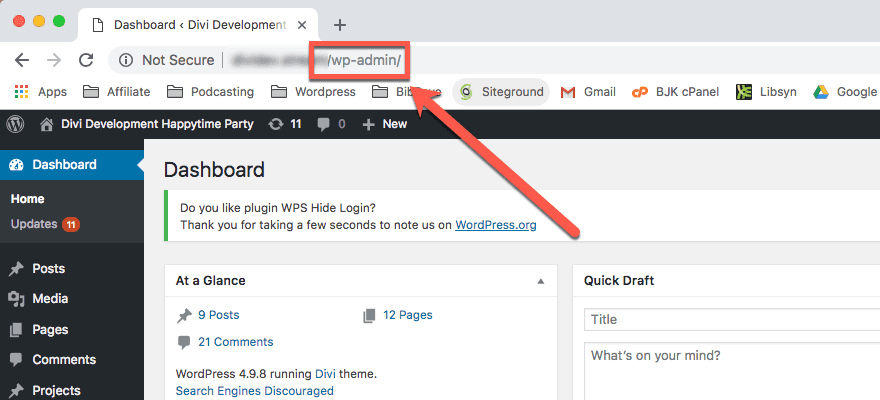
The WordPress login URL is a door to your website. Most times, it is easy to find. To log in, add /wp-admin or /wp-login.php to your website’s address. For example, if your site is www.example.com, type www.example.com/wp-admin.
Some websites change this URL. They do it for more security. If you cannot find the login page, ask the website owner. Or, check if there is a login link on the site. Always keep your username and password safe. Do not share them with others.
Accessing The Login Page
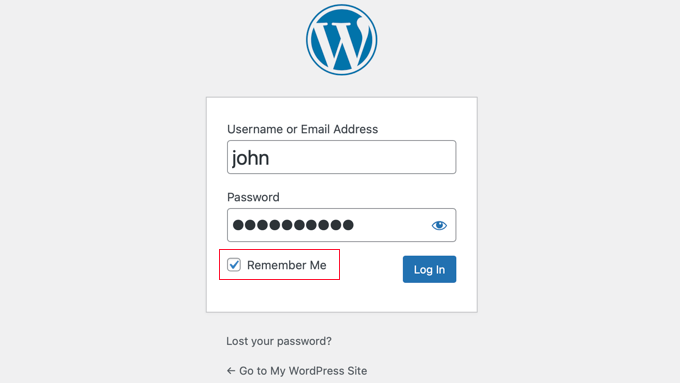
The WordPress login URL is how you enter your site. It lets you manage content and settings. Most sites have the login URL as /wp-admin or /wp-login.php. You add this to the end of your site’s main address. That takes you to the login page.
Sometimes, users change the login URL. This can be for security reasons. If you cannot find the login page, ask your site admin. They can help you find the right address.
Remember, keeping your login details safe is important. Always use a strong password. This protects your site from bad people. Never share your password with others.
Customizing The Login Url
Changing the login URL can make your site safer. Hackers might try to access your site. A custom login URL can stop them. It’s like a secret door only you know. This way, your site stays safe.
Plugins can help change the URL easily. Some plugins are free. They have simple steps to follow. Just install a plugin and set a new URL. Remember to save the new URL somewhere safe.
A custom URL keeps unwanted visitors out. It also makes your site look more professional. Visitors will think your site is well managed. This small change can make a big difference.
Credit: www.wpbeginner.com
Security Considerations
The WordPress login URL is like a key. It opens your website’s door. Many people know this key. Hackers can try to use it. Changing the login URL can help. Make it hard to guess. This keeps your site safer.
Using strong passwords is important. Mix letters, numbers, and symbols. Longer passwords are better. They make it hard for hackers. Keep your site safe with good passwords.
Two-factor authentication adds another layer of safety. It needs a code to log in. This code comes to your phone. Even if hackers have your password, they need the code. This makes it tough for them.
Troubleshooting Login Issues
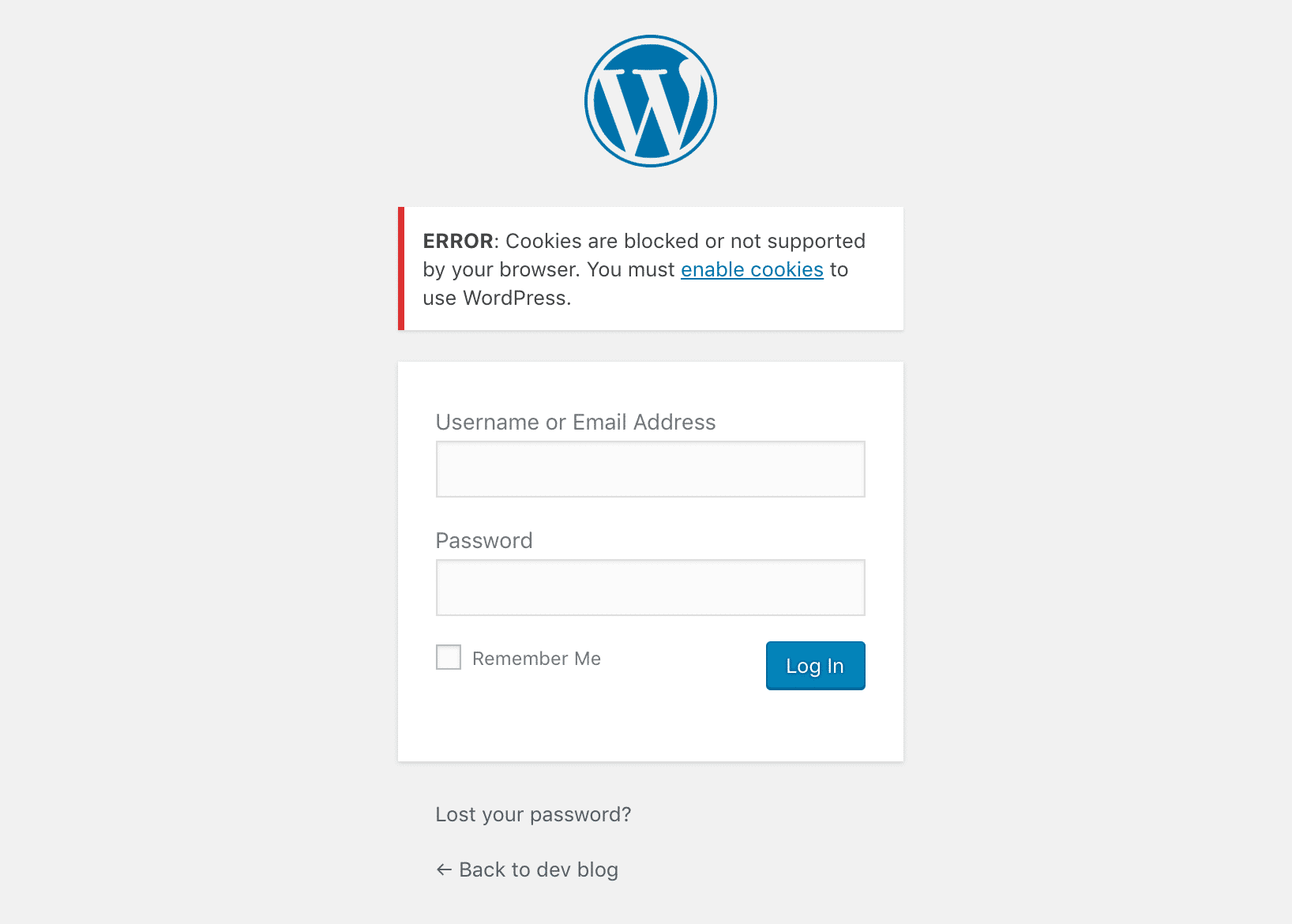
Sometimes, users face problems logging into WordPress. Common issues include incorrect usernames or passwords. Ensure you are using the right details. Mistakes in these can block access. Also, check if caps lock is on. This affects password input. Another issue might be browser cache. Clearing cache often fixes login troubles. Ensure your browser is updated. Old browsers may cause problems. Occasionally, plugins can interfere. Deactivate plugins if issues persist.
Consider contacting your hosting provider for help. They can offer solutions. Sometimes, server issues are the cause. Always keep your WordPress and plugins updated. Updates fix many bugs. Regular updates ensure smooth operation. Never share login details publicly. This keeps your site safe.
Credit: kinsta.com
Plugins For Enhanced Login Management
Plugins can make WordPress login safer. Wordfence Security is a popular choice. It adds a firewall and malware scanner. Another good plugin is Login LockDown. It limits login attempts and blocks IPs. WPS Hide Login changes the login URL. This makes it harder for hackers to find. For two-factor authentication, try Google Authenticator. It adds an extra step for logging in. All these plugins are easy to use. They help keep your site secure. Always update your plugins for the best protection. Choose plugins that fit your site’s needs. Check reviews and ratings before installing.
Using plugins can be fun and easy. They protect your login page. They keep bad guys out. Make sure to pick the right ones. Keep your site safe and sound.
Best Practices For Login Url Management
Managing your WordPress login URL is important. It helps keep your site safe. Many people use the default URL. This can make your site a target. Hackers know the common URLs.
Change your login URL. Make it unique. This adds an extra layer of security. You can use plugins. They make changing the URL easy. Always use strong passwords. Keep them secret. Share only with trusted people.
Enable two-factor authentication. This means you need a password and a code. The code comes to your phone. This makes it hard for hackers. Regularly update your plugins and themes. Updates fix security holes.
Frequently Asked Questions
What Is The Default WordPress Login Url?
The default WordPress login URL is usually yoursite. com/wp-login. php. This URL directs you to the login page. Here, you can enter your username and password to access the WordPress dashboard. It’s important to keep this URL secure to prevent unauthorized access.
How Can I Change The WordPress Login Url?
You can change the WordPress login URL using plugins like WPS Hide Login. This plugin allows you to customize the login page URL. Changing the URL enhances security by making it harder for hackers to find the login page. Always remember to back up your site before making changes.
Why Can’t I Access My WordPress Login Page?
If you can’t access the login page, it might be due to plugin conflicts. Another reason could be incorrect URL configurations. Clear your browser cache or try using another browser. If the issue persists, check your hosting server settings or contact support for assistance.
How Do I Recover A Lost WordPress Password?
To recover a lost WordPress password, go to yoursite. com/wp-login. php and click “Lost your password? “. Enter your username or email address. WordPress will send a password reset link to your registered email. Follow the link to set a new password securely.
Conclusion
Understanding your WordPress login URL is crucial. It’s your gateway to manage your site. Remember, finding it is simple. Just add “/wp-admin” or “/login” to your domain. This allows you to access your dashboard. Easy steps, big impact. Keep your login details secure.
This protects your site from threats. Regularly update your password for safety. A secure login keeps your content safe. So, bookmark your login URL. This saves time and eases access. With these tips, managing WordPress becomes easier. You can now focus on creating great content.
Happy blogging!