
Have you ever found yourself wondering how to make your WordPress site more dynamic and responsive? If so, understanding WordPress actions might be your golden ticket to enhancing your website’s functionality.
WordPress actions are like secret commands that allow you to hook into the WordPress core and make it do what you want. Imagine being able to tweak and adjust your site’s behavior without touching the core files. Sounds intriguing, right?
This article will dive into what WordPress actions are and how they can transform your website into a more efficient and customized platform. Stick around to uncover the magic behind these powerful tools and learn how they can empower you to take control of your WordPress site like never before.
WordPress Actions Explained
WordPress actions are like special signals. They tell WordPress to do something. These actions are very important. They help you customize your site. Developers use them a lot. They can add new features without changing the core files. This keeps the main WordPress code safe.
Actions are powerful. They let you add custom code. You can make WordPress do things it does not do by default. For example, you can send emails or change how pages look. This makes WordPress very flexible. You can create unique websites with ease.
WordPress actions are easy to learn. Even beginners can use them. They make WordPress fun and interesting. You can explore many possibilities with actions.
Credit: kinsta.com
Core Functionality
WordPress actions are powerful. They let developers trigger specific events. When an event happens, it runs code. This can be adding a new post or changing settings. Actions help make WordPress flexible. They allow custom features. Developers can do more with their sites. This makes WordPress a favorite.
Hooking into actions is simple. Developers use hooks to connect their code. Hooks are like special keys. They unlock new possibilities. They let you add custom functions. With hooks, you can change what WordPress does. This helps build unique websites. It’s a key part of WordPress development.
Creating Custom Actions
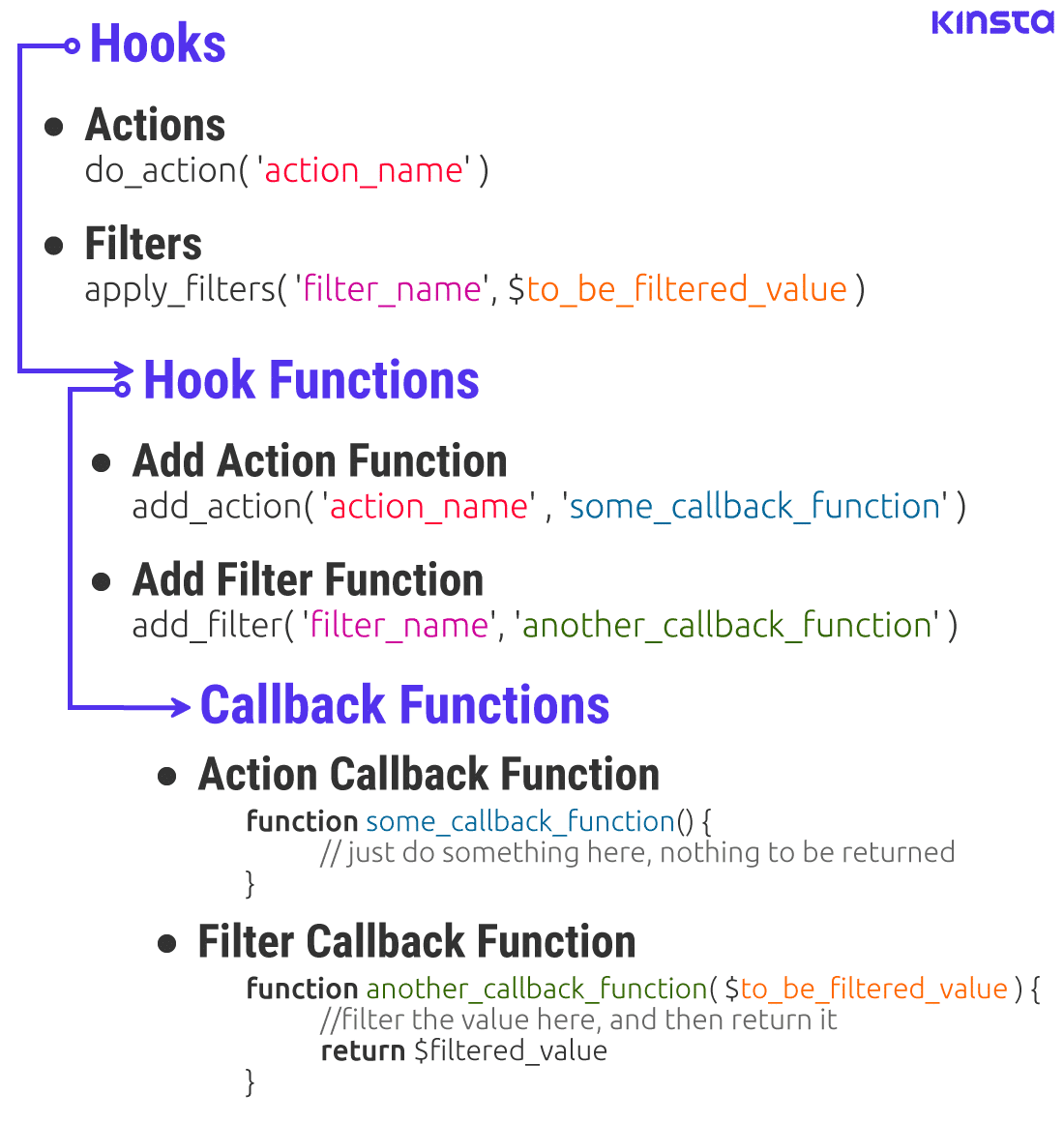
Custom hooks allow developers to add their own code. This code runs at specific points. These points are called actions. To define a custom hook, use do_action(). This tells WordPress to run the code. The code runs when the hook is called. It is like a signal. This signal tells WordPress what to do. Hooks make WordPress flexible. They let you add new features. They improve your site.
To create a custom hook, choose a name. Make it unique. Use do_action('your_hook_name') in your code. This is the hook’s definition. It tells WordPress to look for this action. Next, add your code where you need it. This code runs when the hook is called. Hooks are powerful. They help customize WordPress easily.
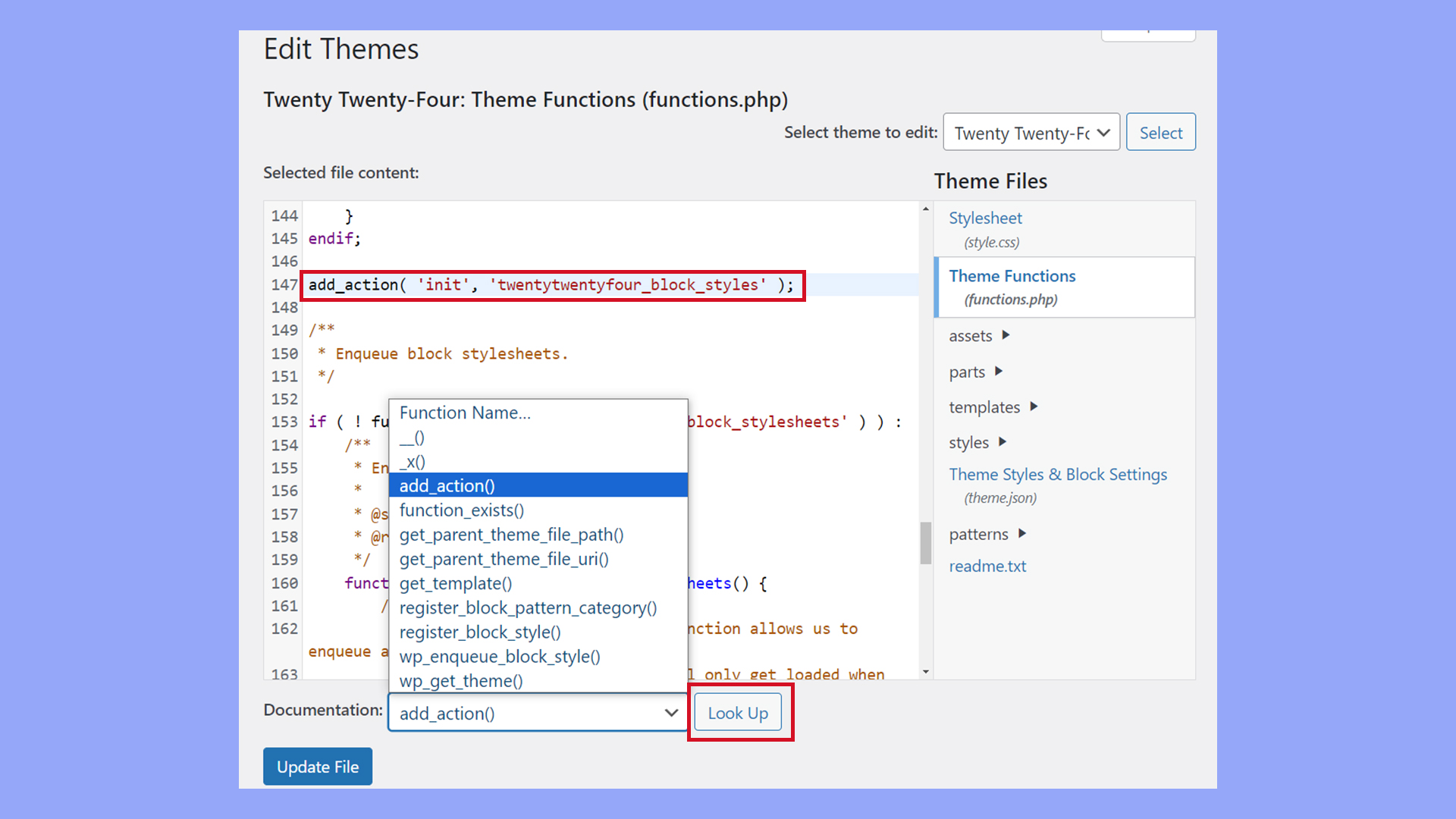
Use add_action() to run your custom code. This function connects your code to the hook. It listens for the hook signal. When the hook fires, your code runs. This is how actions work. They make WordPress do new things. Actions are simple yet strong. They give your site new abilities.
Common Use Cases
WordPress actions help improve themes. They allow adding new features easily. Actions let you customize without changing core files. This keeps your theme safe during updates. You can add a custom header or footer. It’s simple with actions. Want to change colors or fonts? Use actions to do it smoothly. Actions offer flexibility to make themes unique. This gives a personal touch to your website. Make your site look special with little effort.
Actions extend plugin functions. They help add new features to plugins. Need a new feature in a plugin? Use actions for that. It’s easy and safe. Actions keep the original plugin intact. You can update plugins without worry. Adding a social share button is simple. Use actions to do it quickly. Want to add a gallery? Actions make it possible. They give you control over plugins. Customize them to fit your needs.
Best Practices
Naming is key in WordPress actions. Use clear and meaningful names for actions. This helps others understand your code. Always use lowercase letters. Use underscores to separate words. Start names with a unique prefix. This avoids confusion with other plugins. A good name makes your code easy to read. It also helps with future updates.
Conflicts can cause problems in WordPress. Using unique prefixes is crucial. This makes sure your action names are different. Always check for existing actions. Avoid using common names. This helps keep your code safe. Review your code often. This catches conflicts early. Clear naming helps avoid issues with other plugins.
Credit: 10web.io
Troubleshooting Action Issues
Certain plugins can cause conflicts with WordPress actions. Always check plugin updates. Conflicts happen when plugins have similar functions. Disable all plugins first. Enable them one by one. This helps find the conflicting plugin.
Themes might also cause issues. Switch to a default theme. Check if the problem remains. Often, themes have scripts that interfere. Updating themes can resolve issues. Always backup before making changes. This prevents data loss.
Debugging helps find errors in WordPress actions. Use the debug log. This records errors for easy tracking. Check the server logs. These logs show server-related issues. Turn on WP_DEBUG in the wp-config.php file. This displays errors on the site. Fix errors based on the log information.
Use browser developer tools. They show JavaScript and CSS errors. Console tab shows warnings or errors. Correct these errors to fix actions. Always clear cache after debugging. This ensures changes are visible.
Resources And Tools
Developer documentation is important. It helps you understand WordPress actions better. Find examples and code snippets. They help you use actions correctly. Clear guides explain each part. This makes learning easy and fun. Stay updated with the latest tools. This ensures your skills are sharp.
Community forums are great places to learn. You can ask questions here. Many friendly people help you. They share their knowledge. You learn new tricks and ideas from them. Reading past discussions is also helpful. It gives you insights into common problems. This way, you find solutions fast.

Credit: make.wordpress.org
Frequently Asked Questions
What Is A WordPress Action Hook?
A WordPress Action Hook allows developers to execute custom code at specific points in WordPress. It enhances functionality by letting you add features without modifying core files. Use action hooks to customize your site efficiently, ensuring updates don’t affect your modifications.
How Do WordPress Actions Work?
WordPress Actions work by triggering custom functions at designated points during execution. Developers attach functions to hooks, enabling them to run at specific times. This process enhances flexibility, allowing site customization without altering core code, ensuring seamless updates.
Why Use WordPress Actions?
Using WordPress Actions allows for efficient customization and feature addition without altering core files. They ensure your modifications are safe from updates. Actions enhance flexibility, letting developers create tailored solutions while preserving the integrity of the WordPress platform.
Can Actions Affect Site Performance?
Yes, actions can affect site performance if misused. Efficient code improves functionality, but poorly written actions may slow down your site. Optimize actions for speed and reliability, ensuring a smooth user experience while maintaining customization benefits.
Conclusion
Exploring WordPress actions enhances your website’s functionality. They allow custom features without altering core files. With WordPress actions, you tailor experiences for users. This tool helps adapt your site easily. Understanding actions improves your WordPress skills. Start experimenting with simple actions today.
Practice brings confidence and creativity. Use actions to make your site stand out. Remember, small changes can make a big difference. Enjoy building with WordPress actions!


