
Have you ever found yourself confused about the roles of Editor and Author in WordPress? You’re not alone.
Understanding these roles is crucial for managing your website effectively. Whether you’re setting up a blog, or running a business site, knowing who does what can save you time and prevent mistakes. Imagine having the ability to grant the right permissions, ensuring your content is well-managed and secure.
This knowledge is not just about functionality; it’s about empowerment. You’ll be able to focus on what truly matters—creating great content—without worrying about technical hassles. Dive in to discover how these roles differ and why it matters to you. Your WordPress journey is about to become a lot clearer.

Credit: wordpress.com
Roles In WordPress
WordPress has different roles. Two important ones are Editor and Author. They have different tasks. Editors have more power. They can edit all posts. Authors only edit their own posts. Editors can also manage categories. Authors cannot do this. Editors can approve and delete comments. Authors cannot touch comments. Editors have a lot of control. Authors focus on writing. Both roles are important. They help keep a blog running smoothly. Each role has its own strengths. Knowing the difference is key. It helps in managing a team.
Editor Role
The editor manages all posts on a website. They can edit, publish, or delete any post. Editors work with other authors too. They ensure the content is clear and correct. Editors organize content for the website. They make sure everything looks good. They are responsible for the website’s content quality.
Editors have more permissions than authors. They can access all posts on the site. They can change or remove any post. Authors only access their own posts. Editors control what authors can publish. Authors need approval for their posts. Editors have the power to publish or reject. This keeps the content consistent and reliable.
Editors can do many things. They manage categories and tags. They can approve comments. But they cannot change website settings. Authors write and edit their posts. But they cannot publish without approval. Authors have less control. Editors have more responsibilities. They ensure the content follows guidelines. Editors and authors work together to keep the content engaging.
Author Role
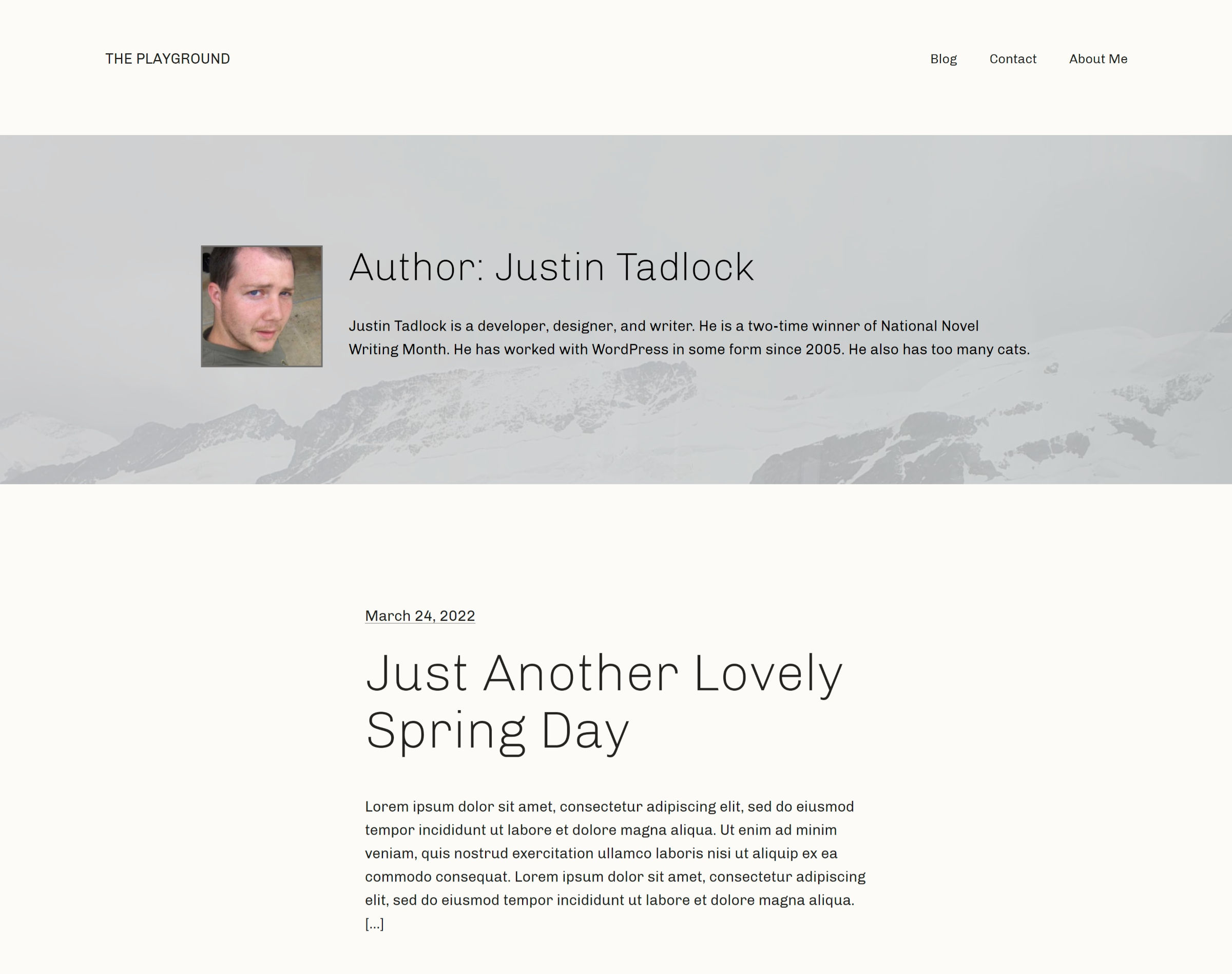
The author can write and manage their posts. They can also edit their own content. Authors focus on writing blog posts. They ensure the content is engaging and clear. Writing is their main task. They do not have to worry about technical stuff. Authors use simple tools to create posts.
Authors can publish their own posts. They do not need approval from others. This gives them freedom to share ideas. Authors control when their posts go live. They can schedule posts too. This helps manage time well. They plan their content carefully.
Authors can write and edit posts. But they cannot change site settings. They cannot manage other users’ content. They focus only on their own posts. Authors do not have access to plugins or themes. Their role is simple and focused. They work on writing tasks only.
Credit: wptavern.com
Key Differences
Editors and Authors have different roles. Authors can write and manage their posts. They cannot edit other people’s posts. Editors can edit all posts, even those written by others.
Editors have more control. They can publish, edit, and delete any post. Authors can only edit their own posts. Authors need an editor to approve their work. This keeps the content safe and correct.
The Editor role is higher than the Author role. Editors oversee the whole content process. Authors focus on creating content. This hierarchy helps in organizing tasks. It ensures good quality in published content.
When To Use Each Role
Editors manage and update content on WordPress. Authors focus on writing and publishing their own posts. Choose editors for content oversight, while authors suit personal content creation. Understanding these roles helps maintain a well-organized website.
Team Management
WordPress roles help manage your team. Editors can change posts and pages. They edit content and can publish it. Authors write and publish their own posts. They can’t edit others’ work. Choose an editor for team oversight. They ensure content quality. Authors focus on writing. They bring ideas to life. Assign roles based on team needs. This avoids confusion. Everyone knows their tasks.
Workflow Efficiency
Efficient workflow saves time. Editors review and improve content. They ensure information is correct. Authors create and post content. They work on ideas and topics. Editors and authors help streamline tasks. Each role has clear duties. This boosts productivity. Better workflow means faster results. Everyone works smoothly together. Use roles smartly to improve output.
Customizing Roles
WordPress roles define user capabilities. Editors can manage and publish content, including posts by others. Authors can write and publish their own posts, but can’t edit others’ work. Understanding these roles helps in effective blog management.
Using Plugins
Plugins help change WordPress roles easily. They offer tools to make role changes. With plugins, you can add or remove capabilities. This means you can give more or less power to users. Some plugins are free, while others need payment. Always check for updates to keep the site secure. Most plugins are simple to use. They have clear steps to follow. Always choose plugins with good reviews. This helps to ensure reliability and safety.
Role Modifications
Role changes help manage who does what on your site. Editors can publish and manage posts. Authors can write and manage their own posts. With plugins, you can tweak these roles. You might want an author to have more power. Or maybe an editor should have less. Always be careful with changes. Wrong settings can cause problems. Always test changes on a copy of your site first.
Credit: www.hostinger.com
Frequently Asked Questions
What Roles Do Editor And Author Have?
In WordPress, the Editor role has more control than the Author. Editors can publish, edit, and manage all posts, including those of other users. Authors can only publish and manage their own posts. This distinction allows for better content management and workflow within a WordPress site.
Can Editors Edit Author’s Posts?
Yes, Editors can edit posts created by Authors. Editors have the authority to publish, edit, and delete any posts, regardless of the original author. This allows Editors to maintain consistency and quality across the website’s content, ensuring that all published material meets the site’s standards.
Is An Author Role More Limited Than An Editor?
Yes, the Author role is more limited. Authors can write, edit, and publish their own posts but cannot edit others’ posts. They have no control over pages or site settings. This limitation ensures that Authors focus solely on content creation without interfering with broader site management.
Can An Editor Manage WordPress Pages?
Yes, Editors can manage WordPress pages. Besides managing posts, Editors have the ability to publish, edit, and delete pages. This capability enables them to oversee the entire content structure of a WordPress site, ensuring that both posts and pages align with the site’s objectives.
Conclusion
Understanding the roles of editor and author in WordPress is crucial. Each has unique permissions. Authors create content. Editors review and manage posts. Both roles contribute to a successful blog. They ensure quality and consistency. Choosing the right role enhances workflow.
It helps achieve your blogging goals. Editors have more control. Authors focus on creativity. Clear role division boosts productivity. Learn these differences to make informed decisions. Optimize your WordPress experience today. Your blog will thrive. Explore WordPress roles further. Gain insights.
Use this knowledge effectively. Improve your blog management skills.


