
Imagine you’re about to launch your website. You’re excited, but there’s one big decision you need to make: choosing between Linux and Windows web hosting.
This choice can seem overwhelming, especially if you’re not sure about the differences. But don’t worry, you’re not alone. Many people find themselves in the same spot, wondering which option is best for their needs. By understanding the key differences between Linux and Windows web hosting, you can make an informed decision that suits your goals and budget.
This article will guide you through the pros and cons of each, shedding light on what makes them unique. You’ll discover which hosting environment aligns better with your technical requirements and personal preferences. Stay with us, and you’ll gain clarity on this crucial choice, ensuring your website runs smoothly and efficiently. Ready to uncover the secrets of Linux and Windows hosting? Let’s dive in!
Operating System Variations
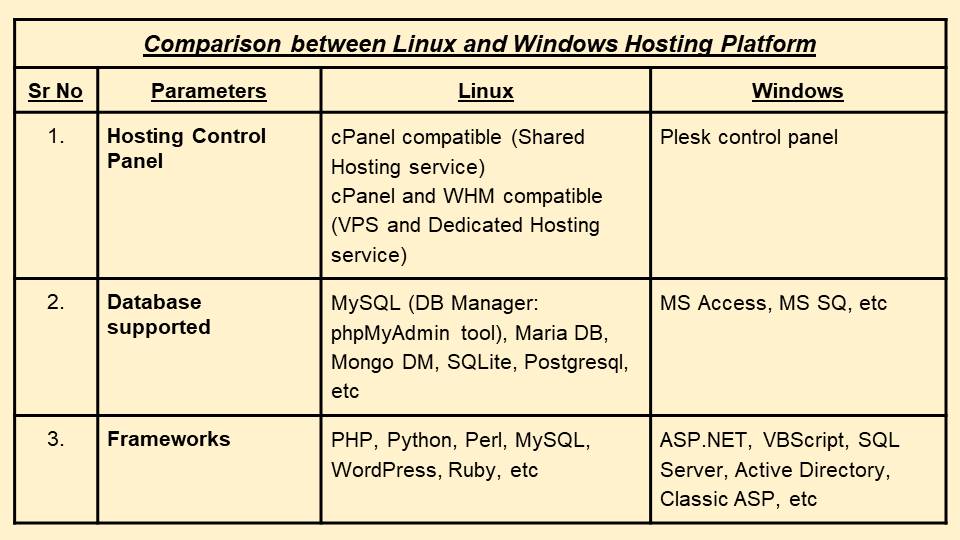
Linux hosting uses the Linux operating system, which is open-source. This means users can modify it. Many developers like this flexibility. Windows hosting uses the Windows operating system. It is a product of Microsoft. Users cannot change it freely. Linux is known for its stability. It handles many tasks at once. Windows is user-friendly. It offers a familiar interface. Linux often supports PHP, MySQL, and Python. These tools are common for web projects. Windows supports ASP.NET and MS SQL. These are popular for Windows-based sites. Linux hosting is usually cheaper. Windows hosting might cost more. Consider your needs before choosing.
Cost Considerations
Linux hosting is often cheaper. It’s because of its open-source nature. No license fee is required. Users often find it more budget-friendly. Windows hosting usually costs more. It requires a license for Windows OS. This adds to the price. Businesses may pay extra for certain features. Both options offer good value. Yet, Linux is often the pick for those watching their budget.
Businesses must evaluate their needs. Consider the long-term costs. Linux can save money in the long run. But Windows offers certain advantages. Weigh the pros and cons carefully. Choose what fits best.
Performance Metrics
Linux hosting often runs faster. It uses less system resources. This makes websites load quicker. Windows hosting uses more resources. It might slow things down. Linux is great for running scripts. Windows is best for ASP.NET applications.
Linux is known for its stability. It seldom crashes. Windows might face downtime sometimes. Linux can handle more traffic. It is good for busy sites. Windows can be less reliable under heavy loads.
Linux servers update easily. Updates happen without reboots. Windows needs reboots for updates. This can cause site delays. Linux offers more control. Users can tweak settings freely. Windows has more restrictions. It limits user access.
Security Features
Linux web hosting is known for strong security features. It uses a permission system. This system helps protect files and data. Only specific users can access certain files. This makes Linux hosting safer.
Windows hosting also offers good security. It uses a different system for protection. Windows uses NTFS permissions. These help control file access. Security updates are regular. They keep systems safe.
Both systems offer firewalls and anti-virus tools. These help block threats. Hackers find Linux harder to attack. Its open-source nature allows more checks. More eyes can find bugs and fix them.
Windows security tools are easy to use. They offer user-friendly interfaces. This makes managing security simpler. Both Linux and Windows strive for safety. They use different methods but aim for the same goal.
Control Panel Options
Linux hosting often uses cPanel. It is very popular. It is easy to use. You can manage your website easily. cPanel has many features. You can add email accounts. You can install software.
Windows hosting uses Plesk. It is also easy. Plesk supports Windows tools. You can manage ASP.NET websites. You can control databases. Plesk offers web apps.
cPanel and Plesk are different. cPanel is best for Linux servers. Plesk works well with Windows servers. Choose what fits your needs.
Compatibility With Software
Linux web hosting supports many open-source software. PHP and MySQL work well with it. Windows hosting supports software like ASP.NET. Microsoft SQL Server is also supported. Both have unique features. Choose based on your software needs.
Linux is a popular choice for developers. It works well with many programming languages. Windows is user-friendly. It supports Microsoft technologies easily. Decide based on your comfort level.
Linux is known for its robust security. It offers good protection against threats. Windows also provides security. Both need regular updates to stay secure. Pick the one that suits your requirements.
Technical Support Differences
Linux hosting often provides community support. Many users share solutions. Forums and online guides are common help sources. Linux users tend to be tech-savvy. They solve many problems on their own. Professional support might be limited or costly.
Windows hosting usually offers dedicated customer support. There’s often a team available. They assist with issues via phone or email. Support is more structured. Help resources are plentiful. Users benefit from official Microsoft support.
Ease of support access varies. Linux relies on user communities. Windows relies on official channels. Consider your support needs. Choose based on your comfort level. Both have pros and cons. Support is crucial for smooth hosting.
Credit: www.otherarticles.com
Customization And Flexibility
Linux hosting is known for its customization options. Users can change many settings. This makes it great for tech-savvy people. You can tweak the server to fit your needs. Developers love its open-source nature. More control means better performance.
Windows hosting is easier for beginners. It offers a user-friendly interface. Less tech knowledge is needed. It’s perfect for those who want simple setups. Windows allows certain software compatibility that Linux does not. Many prefer its easy-to-use environment.
Both have their perks. Linux is for those who want control. Windows suits those who want ease. Consider your needs before choosing. The right choice depends on your skills and requirements.
Popular Use Cases
Linux web hosting is great for open-source applications. It is often used for WordPress and other content systems. Programmers like it for PHP and MySQL. Many small businesses choose Linux for its cost-effectiveness. It is known for its stability and security.
Windows web hosting supports ASP.NET applications. It is the choice for Microsoft-based environments. Many big companies use Windows for enterprise solutions. It integrates well with Microsoft products. Businesses that need specific Windows applications often prefer this hosting.

Credit: www.cantech.in
Market Share And Trends
Linux hosting is popular. Many websites use it. It is open-source and free. Big companies and small businesses like it. Windows hosting is also good. It is not free. People use it for special software. Some businesses need Windows for .NET applications. Linux is more common in the hosting market. It has a larger market share. This means more people choose Linux. Some people like Windows for easy integration with Windows software. Trends show Linux growing faster. It is becoming more popular. Many new websites choose Linux. It is reliable and secure. Both have good features. People choose what they need. Linux or Windows. Both work well.

Credit: hosting.com
Frequently Asked Questions
Which Hosting Is Better, Linux Or Windows?
Linux hosting is ideal for websites using PHP, MySQL, or WordPress. Windows hosting supports ASP. NET and Microsoft technologies. Choose based on your website’s technology requirements and budget. Linux is often cheaper and more popular. Windows offers advanced features for specific applications.
Is Linux Or Windows Better For Websites?
Linux is often better for websites due to its stability, security, and cost-effectiveness. Windows might be preferred for ASP. NET applications. Your choice depends on specific needs and expertise. Consider server compatibility and software requirements when deciding. Both platforms can effectively host websites, but Linux generally offers more flexibility and control.
What Is The Difference Between Linux Hosting And Web Hosting?
Linux hosting specifically uses a Linux operating system, while web hosting can use various operating systems, including Linux and Windows. Linux hosting is often preferred for its security and compatibility with PHP and MySQL. Web hosting is a broader term encompassing different types, including Linux, Windows, and cloud hosting.
What Is The Difference Between Linux Shared Hosting And Windows Shared Hosting?
Linux shared hosting uses a Linux operating system, while Windows shared hosting runs on a Windows server. Linux is open-source and often cheaper. Windows supports ASP. NET and MSSQL, which Linux doesn’t. Choose based on your website’s technology requirements and your familiarity with each platform.
Conclusion
Choosing between Linux and Windows hosting depends on your needs. Linux offers flexibility and open-source options. Windows provides familiarity and compatibility with Microsoft tools. Both have advantages. Consider your technical skills and budget. Linux might suit developers. Windows may be ideal for those used to its interface.
Your choice impacts your site’s performance and security. Research thoroughly before deciding. Each has unique benefits. Know your requirements and match them with hosting features. Make an informed choice for the best results. Your website deserves the right platform. Choose wisely for your online success.


