
Are you diving into the world of WordPress and stumbled upon the term “title attribute”? You might be wondering, “What does it mean, and why should I care?”
Understanding the title attribute in WordPress can transform the way your content is perceived by both search engines and your audience. It’s a small tweak that can make a big difference in your site’s usability and SEO effectiveness. Curious to learn how mastering this element can enhance your website’s visibility and user experience?
Let’s unravel the mystery behind the title attribute and explore how it can be a game-changer for your WordPress site. Keep reading to discover the key to unlocking your website’s full potential!
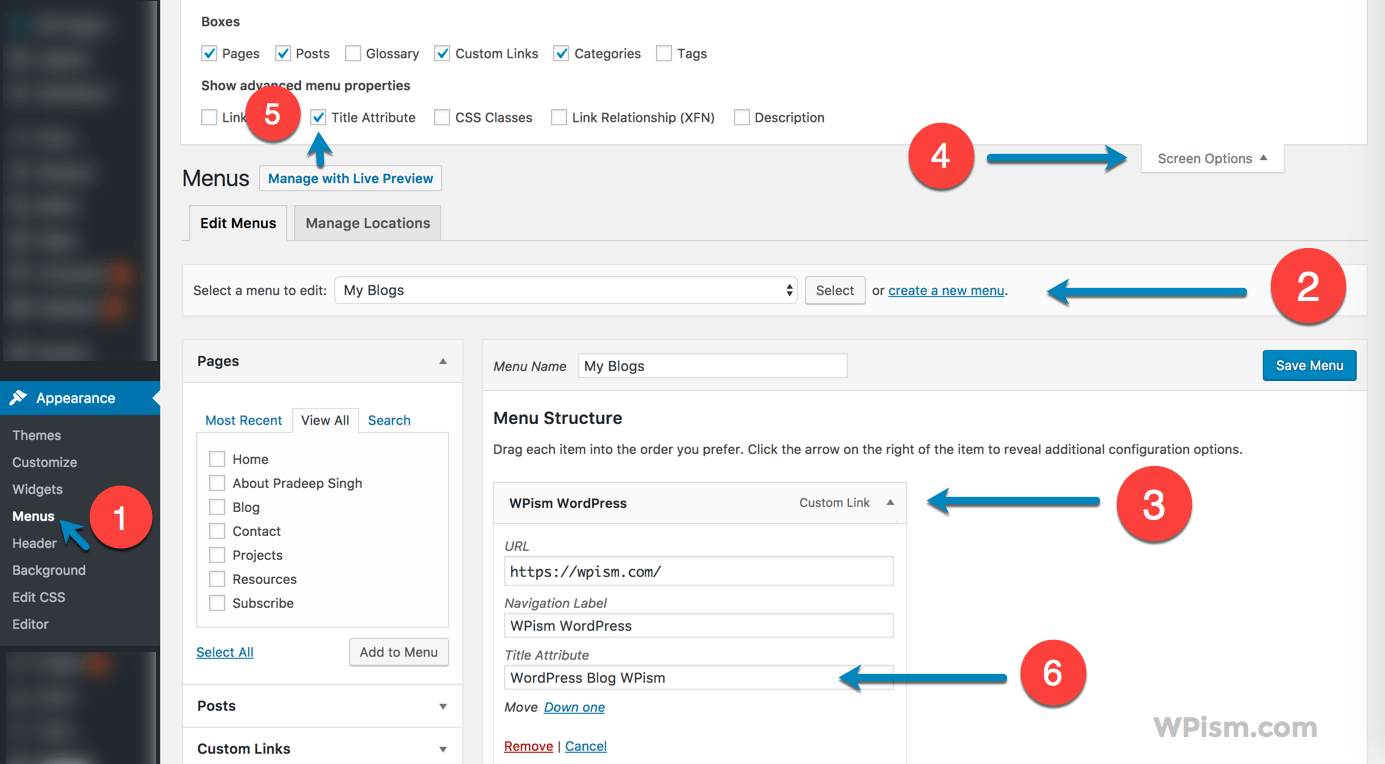
Credit: wpism.com
Title Attribute Basics
The title attribute in WordPress adds extra information. It appears when you hover over a link or image. This helps users understand more about the content. Adding a title attribute improves user experience. It makes your site more accessible. Search engines can also use this information. It might help with SEO.
Using clear and simple titles is important. Keep them short and relevant. Avoid using too many words. Only use important keywords. This keeps the title effective and easy to read. Always think about what users need to know. This makes your content helpful.

Credit: mrwweb.com
Importance Of Title Attribute
The title attribute in WordPress is very useful. It shows extra information about links and images. When you hover over a link, a small box appears. This box contains the title text. It helps users understand more about the link before clicking.
Search engines also use the title attribute. It helps them know what the page is about. This can improve your site’s SEO ranking. A good title can make your content easier to find. Always use clear and simple words in your titles. This makes them easy to read for everyone.
How To Add Title Attribute In WordPress
Adding a title attribute is simple. Open your WordPress editor. Click on the link button. A box will pop up. Enter your URL. Find the gear icon. Click it. A new box appears. Look for the Title Attribute field. Type your text there. Click add link. Save your changes. The title attribute helps users understand your link better.
Some people like using code. First, find the HTML editor. Look for the link tag. It looks like this: . Add title=”your text” inside the tag. It should look like this: . Save your changes. This method is for those comfortable with code. It gives you more control.
Common Uses Of Title Attribute
The title attribute helps search engines understand a page. It gives extra info about links and images. This extra info can improve how search engines see your site. Search engines may use it to show the link in search results. This can help people find your page easier. It’s a small tool but can make a big difference. Use it wisely to get better results.
The title attribute can also help people with disabilities. Screen readers use it to explain links or images. This makes the web easier for everyone. People who can’t see well can still understand what a link or picture is about. Adding a good title makes your site friendly to all users. It shows you care about every visitor. Don’t forget this important step.
Best Practices
Title attributes help users understand links. Use clear and simple words. Describe what the link does. Avoid long phrases. Short titles work best. Search engines notice title attributes. They help with page rankings. Make sure each title is unique. Similar titles confuse users. Check spelling and grammar. Mistakes look unprofessional. Use title attributes for images too. They describe what the image shows. This helps people with visual impairments. Screen readers read these descriptions. Always think about the user experience. Make navigation easy and clear. Good title attributes make sites better.
Credit: www.hostinger.com
Common Mistakes To Avoid
Title attributes in WordPress help users understand links. Many people forget to add them. This makes navigation hard for visitors. Some add too many keywords. This looks spammy and confuses search engines. Others write very long titles. Short, clear titles work best.
A common mistake is using generic titles like “click here.” Specific titles are more helpful. Titles should describe the link. Another error is not updating titles. As content changes, update titles to match. Some use the same title everywhere. Each link needs a unique title.
Ignoring accessibility is a big mistake. Title attributes help screen readers. Screen readers read them to users. This is important for those with disabilities. Always test titles for clarity. Check if they make sense. This ensures a better user experience.
Tools And Plugins
Many tools and plugins help with the title attribute in WordPress. They make things easier. Some popular plugins are Yoast SEO and All in One SEO. These plugins guide users step by step. They ensure your titles are effective and clear.
Other tools include SEOPress and Rank Math. These also help optimize your titles. All these tools aim for better search visibility. They offer suggestions to improve your title’s impact. Using these tools ensures your content is easily found online.
Frequently Asked Questions
What Is The Title Attribute In WordPress?
The title attribute in WordPress provides additional information about an element. It’s often used in links and images. When users hover over these elements, a tooltip appears with the title text. This enhances user experience by offering more context without cluttering the page.
How Does The Title Attribute Impact Seo?
The title attribute can improve accessibility and user experience, indirectly benefiting SEO. However, it doesn’t directly influence search rankings. Search engines primarily focus on content and metadata. Ensure your title attributes are descriptive and relevant to enhance user engagement and potentially improve site performance.
Where To Add The Title Attribute In WordPress?
In WordPress, you can add the title attribute in the HTML editor. For links, use the title attribute within the anchor tag. For images, include it in the image tag. Many plugins also offer options to add title attributes easily without coding.
Does The Title Attribute Affect Accessibility?
Yes, the title attribute can enhance accessibility by providing additional context. Screen readers may not always read it consistently. Rely more on alt attributes for images and clear link text. However, the title attribute can still offer valuable information for sighted users.
Conclusion
Understanding the title attribute in WordPress is essential. It enhances user experience and SEO. This small tool helps with accessibility and navigation. It adds context to links and images. Readers find it easier to engage with your content. Implementing this feature is simple and effective.
Your site becomes more user-friendly. It aids search engines in understanding your content better. Optimizing with title attributes benefits your site. It’s a smart move for any WordPress user. Embrace this feature for improved results. Better user experience leads to more traffic.
Simple changes can make a big difference.


