
Are you curious about what it truly means to be a WordPress developer? Imagine transforming your creative ideas into stunning websites, all while having the power to shape the digital landscape.
As a WordPress developer, you hold the keys to a world of endless possibilities and creative freedom. You get to craft experiences that captivate users and bring visions to life. We’ll unlock the secrets of WordPress development and explore how you can harness its power to create incredible online experiences.
Ready to dive in and discover what it takes to become a WordPress developer? Keep reading, and let’s unravel the magic together.
Credit: www.freelancermap.com
Role Of A WordPress Developer
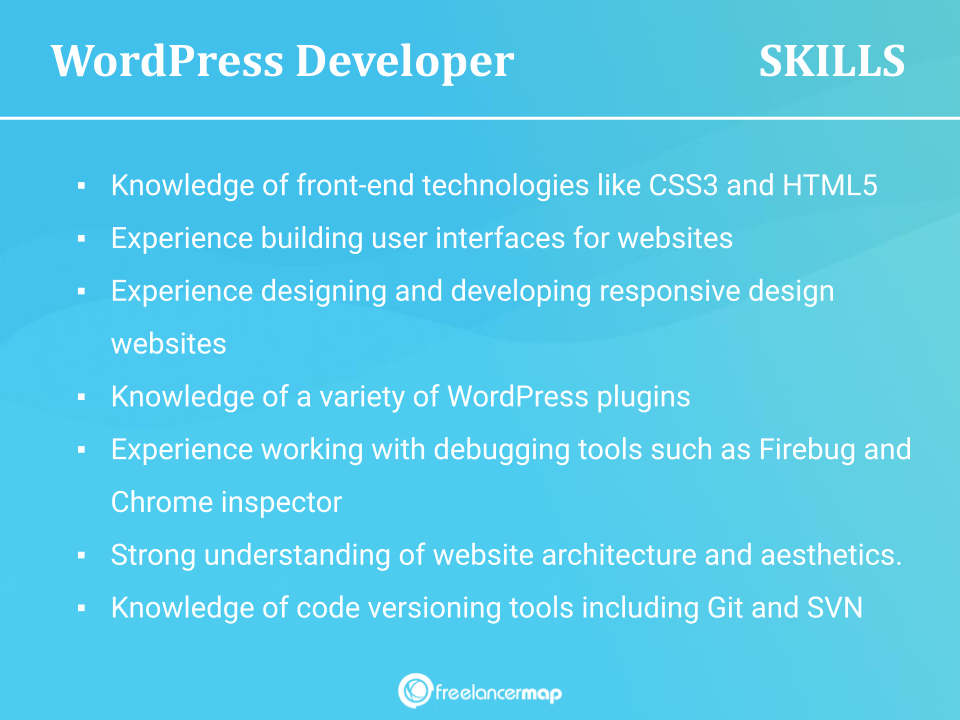
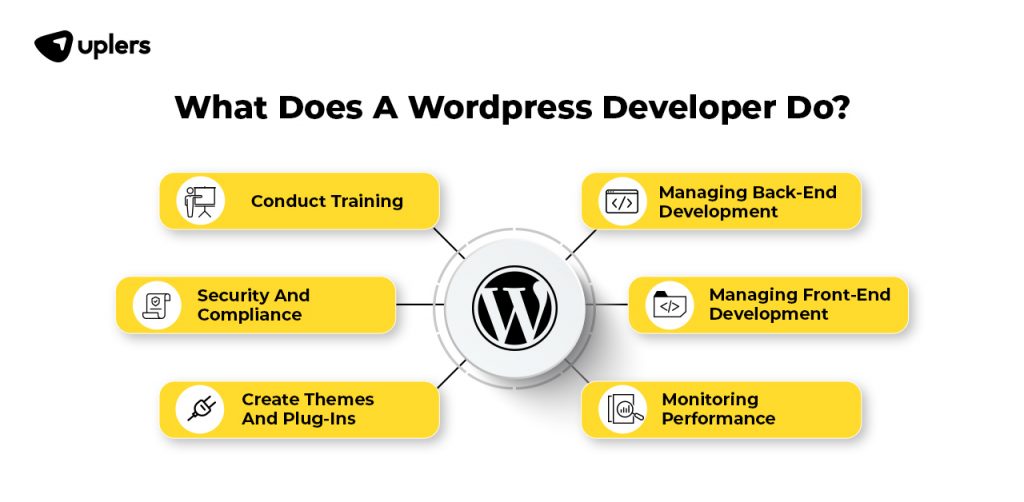
A WordPress developer builds websites using WordPress. They create themes and plugins. Themes change how a site looks. Plugins add new features. Developers make sure sites run well. They fix bugs and improve site speed. They keep sites secure from hackers. Developers also help with site updates. They make sites easy to use.
Working with WordPress needs coding skills. HTML, CSS, and PHP are important. JavaScript can be helpful too. Developers need to know these well. They make sites look nice. They ensure sites work on phones and computers. A developer’s role is very important. They help businesses online.
Skills Required
A WordPress developer needs coding skills. These include HTML, CSS, and PHP. JavaScript is also important. Understanding MySQL databases helps manage data. Theme creation skills are essential. Developers often build custom themes. Plugin development skills expand site features. Debugging skills fix site errors. SEO knowledge improves site visibility.
Communication skills are key for developers. They explain ideas to clients. Problem-solving skills help find solutions. Teamwork skills are vital. Developers often work in groups. Time management ensures projects finish on time. Adaptability allows quick learning. Technology changes fast. Attention to detail prevents mistakes. Every detail matters in coding.
Types Of WordPress Developers
Theme developers make the look of a website. They use HTML, CSS, and JavaScript. These tools help create beautiful designs. A good theme makes a site easy to use. Users like themes that load fast. Responsive design is important too. It works on phones and computers. Theme developers update their work often. This keeps sites fresh and secure.
Plugins add new features to websites. They can do many things. Some plugins help with security. Others add contact forms or social media buttons. Plugin developers use PHP a lot. They ensure plugins work well with themes. Testing is important. It finds and fixes bugs. This makes the plugin work smoothly.
Core developers work on WordPress itself. They build the main parts of the system. Core updates make WordPress better. They fix problems and add new features. Core developers work in teams. They make sure the code is safe and fast. Users count on their work every day.
Credit: www.uplers.com
WordPress Development Tools
Text editors help write code. They make it neat and tidy. Many developers love Visual Studio Code. It’s free and very friendly. Some prefer Sublime Text. It’s quick and light. Atom is another choice. It’s easy to customize. Pick one that feels right for you.
Debugging tools find errors in code. Xdebug is popular for PHP debugging. It shows where errors happen. Query Monitor helps with WordPress issues. It tracks database queries. Log Deprecated Notices tells about outdated functions. These tools help fix problems fast.
Version control tracks changes in code. Git is the most used. It keeps a history of work. GitHub is where you share code. Others can see and help. Bitbucket is another platform. It works well with Git. These systems keep your code safe.
Common Challenges
Being a WordPress developer involves facing various challenges. Learning to customize themes and plugins while ensuring website functionality requires problem-solving skills. Balancing client expectations with technical limitations can also be demanding.
Security Issues
WordPress sites often face security threats. Hackers try to break into sites. They steal data. Protecting sites is crucial. Regular updates help secure WordPress. Plugins can be vulnerable. Choose trusted plugins. Always keep them updated. Strong passwords are important. Use complex passwords. Avoid simple ones. Backup your site regularly. This ensures data safety. Security plugins can help. They monitor threats. They alert you quickly.
Performance Optimization
Website speedcompressed images. This reduces load time. Minimize code for fast performance. Clean, tidy code runs quicker. Remove unnecessary plugins. They slow down sites. Choose lightweight themes. Heavy themes affect speed. Check hosting plans. Good hosting improves performance. Cache plugins boost speed. They store data temporarily. This reduces server load.
Career Pathways
Freelancing lets you work on your own. You pick projects you like. This means more freedom. You work from anywhere you want. Meet different clients and learn new things. It’s a good way to start. You can earn well if you’re good.
Agencies offer a steady job. Work with a team and learn from others. You’ll handle various tasks. This is a great way to grow skills. Agencies often have big clients. You get a chance to work on large projects.
Make your own WordPress plugins or themes. Sell them online. This is a way to earn passive income. It takes time to build a product. But it can be rewarding. You get to be your own boss. Think of creative ideas and bring them to life.
Future Trends
Gutenberg is a new tool in WordPress. It helps make web pages with blocks. Blocks are like LEGO pieces. They can be moved and changed easily. This makes designing websites fun and simple. Developers use blocks to create new designs. Gutenberg is growing fast. Soon, many websites will use it.
Headless WordPress is a different way to use WordPress. It separates the content from the website’s look. Developers can use any design they like. This makes websites faster. Content can be shown on many devices like phones, tablets, and computers. Headless WordPress is useful for big projects.
Credit: www.coursera.org
Frequently Asked Questions
What Skills Do WordPress Developers Need?
WordPress developers need skills in PHP, HTML, CSS, and JavaScript. They should understand themes, plugins, and website architecture. Familiarity with SEO and responsive design is beneficial. Problem-solving and debugging skills are essential. Knowledge of database management and security practices is also important for effective WordPress development.
How Do WordPress Developers Customize Themes?
WordPress developers customize themes using PHP, CSS, and HTML. They edit theme files to change layout and design. Plugins can add functionality and features. Custom code snippets can enhance specific elements. Developers ensure themes are responsive and user-friendly. Regular updates and testing are crucial for maintaining customization.
Are WordPress Developers In Demand?
Yes, WordPress developers are in high demand. Businesses and individuals need WordPress sites for online presence. Developers create custom solutions tailored to specific needs. E-commerce and blogging platforms rely heavily on WordPress. The demand for security and optimization expertise is increasing.
Continuous learning keeps developers competitive.
How Do WordPress Plugins Enhance Functionality?
WordPress plugins enhance functionality by adding features and tools. Developers use plugins for SEO, security, and performance optimization. They integrate social media and e-commerce capabilities. Plugins automate tasks and improve user experience. Custom plugins can be developed for unique requirements.
Regular updates ensure plugins remain effective.
Conclusion
Being a WordPress developer involves creativity and technical skills. It’s about building and customizing websites. You solve problems and make websites user-friendly. It’s rewarding to see your work online. WordPress powers many websites worldwide. So, opportunities are vast. If you enjoy coding and design, this role might suit you.
Continuous learning keeps you updated. New tools and plugins emerge frequently. Collaboration with clients and teams is key. You ensure websites meet client needs. This career path offers growth and flexibility. Embrace the challenges, and enjoy creating impactful digital experiences.


