
Have you ever wondered what exactly a web host service does for your website? You’re not alone.
As more and more people venture into building their own websites, understanding the role of web hosting becomes crucial. Imagine your website is a beautiful house. Now, think of the web host as the plot of land where your house sits.
Without it, your beautiful creation has nowhere to exist. We’ll break down the mystery of web hosting and reveal why it’s such a vital component of your online presence. Discover how a reliable web host can enhance your site’s speed, ensure its safety, and make managing your online space a breeze. Stay with us, and by the end, you’ll know exactly what to look for in a web host that suits your needs perfectly.
Purpose Of Web Hosting
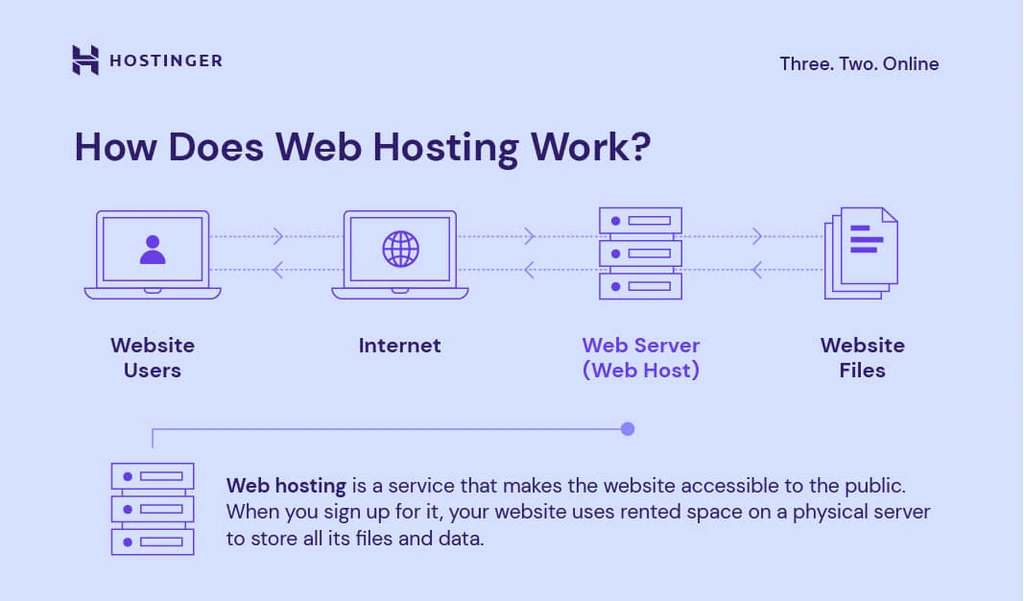
Web hosting keeps websites online. It stores your site’s files on a server. This server is like a big computer. People can see your site anytime. Web hosts connect your site to the internet. This makes it visible worldwide.
Hosting services offer storage space. They also provide bandwidth. Bandwidth is like a road. It lets data travel to users. More space and bandwidth mean a better site. Many hosts offer security too. This keeps your site safe.
Hosting helps with site speed. A fast site keeps visitors happy. Slow sites lose visitors. Good hosts offer technical support. They help when things go wrong. Web hosting is vital for every site.

Credit: en.wikipedia.org
Types Of Web Hosting Services
In shared hosting, many websites use one server. This is often the cheapest option. Resources like CPU and RAM are shared. Good for small websites. But, if one site gets busy, others can slow down. Easy to start with. No need for much tech knowledge. Limited control over server settings.
A dedicated server means one server for one website. Full control over server settings. Best for big websites with lots of traffic. More expensive than shared hosting. You need some tech skills to manage it. Offers high performance and security. No sharing with other websites.
VPS stands for Virtual Private Server. It is like a mix of shared and dedicated hosting. Multiple virtual servers on one physical server. Each has its own resources. Offers more control than shared hosting. Suitable for growing websites. Affordable and flexible. Good balance between price and control.
Cloud hosting uses many servers to host websites. If one server fails, others take over. This offers high reliability. Scales easily with traffic. Pay only for the resources you use. Good for websites with changing traffic. More complex to set up. Needs some tech knowledge.
Key Features Of Web Hosting
Storage is where your website files live. Bandwidth lets data move between your site and users. More storage means holding more files. More bandwidth means faster site access. Each web host offers different limits. Choose what fits your needs best. Large sites need more storage. Busy sites need more bandwidth.
Domain registration gives your website a name. Like your address on the web. Web hosts often help with this. You pick a name. They make it yours. No two sites can share names. It’s unique to you. Make your name easy to remember.
Email services let you send and get emails. You use your domain name. This looks professional. Many web hosts offer email options. You can set up custom emails. Like info@yourwebsite.com. Check what your host provides.
Security measures keep your site safe. Protect it from bad people. Web hosts use tools to stop attacks. They help keep data secure. Look for hosts with strong security. Like SSL certificates. They encrypt data. Keep your site safe.
Credit: www.hostinger.com
Choosing The Right Web Host
Think about your website’s purpose. Is it for fun or business? Different needs require different hosts. A small blog needs less power. A large store needs more. Knowing your needs helps you pick better.
Money matters. Web hosts come at different prices. Cheaper hosts might offer less features. More expensive ones might offer more. Find a host that fits your budget. But also meets your needs.
Good support is key. Problems happen anytime. A host with 24/7 help is best. They answer questions fast. They fix problems quickly. This keeps your site running smooth.
Websites can grow. Today small, tomorrow big. Choose a host that grows with you. Scalable options allow this. They add more space and power when needed. Your site stays strong and fast.
Common Challenges In Web Hosting
Downtime can disrupt your website. Users may leave. Websites need to stay up. Reliable hosting is crucial. It keeps sites running smoothly. Good support helps fix problems fast.
Websites can slow down. Traffic spikes cause delays. Slow sites lose visitors. Fast hosting improves speed. Optimized servers handle heavy traffic better. Regular updates help keep sites fast.
Security is important. Hackers target weak sites. Secure hosting protects data. Firewalls block threats. Encryption keeps info safe. Regular backups prevent data loss.

Credit: www.lashmar.media
Future Trends In Web Hosting
Green hosting is very important today. It uses clean energy to power servers. This helps the Earth. Companies use wind and solar power. They aim to reduce the carbon footprint. This makes hosting eco-friendly. Many users like this change. It shows care for the planet. It’s good for business too.
AI helps in web hosting a lot. It makes things faster. Tasks are easy with automation. AI can fix problems quickly. It helps in managing servers well. This saves time for everyone. Users get better service. They face fewer issues. AI is a big help.
Security is important in web hosting. New protocols are stronger now. They protect data from hackers. Users feel safe with enhanced security. It keeps their information private. Many hosting services focus on security. They update their systems often. This keeps users’ sites safe.
Frequently Asked Questions
What Does A Web Hosting Service Do?
A web hosting service stores your website files on servers, making them accessible online. It provides necessary resources like storage, bandwidth, and security. Hosting services ensure your website is available to users 24/7. They also offer support and maintenance to keep your site running smoothly.
Do I Need A Web Hosting Service?
Yes, a web hosting service is necessary to make your website accessible online. It stores your website’s files and data, ensuring it functions smoothly for visitors. Choose a reliable hosting provider to enhance your site’s performance and security.
What Is An Example Of A Web Hosting Service?
An example of a web hosting service is Bluehost. They provide reliable and affordable hosting solutions with excellent customer support. Bluehost offers a variety of plans, including shared, VPS, and dedicated hosting, to cater to different website needs. Their user-friendly interface and strong uptime make them a popular choice among website owners.
Why Do People Use Web Hosting?
Web hosting stores website files on servers, ensuring accessibility online. It offers security, speed, and technical support. Users can manage domains, emails, and databases efficiently. Reliable hosting boosts site performance and search engine ranking. It’s essential for businesses, bloggers, and individuals wanting a strong online presence.
Conclusion
Understanding web hosting is crucial for your online presence. It offers storage, security, and support. Choose wisely, as it affects your site’s performance. Good hosting ensures faster loading, better security, and reliable uptime. Without it, your site may suffer downtime.
Consider your needs and budget. Different plans offer different features. Research and compare options. Look for reliable customer support. A good host can enhance your online experience. They help maintain your site and keep it accessible. Make sure your choice aligns with your goals.
The right web host supports growth and success.


