Are you ready to create your own space on the internet? Building a WordPress website is a fantastic way to share your ideas, showcase your work, or even start a business.
But where do you begin? You might feel overwhelmed by the tech jargon or the endless tutorials available. Don’t worry—you’re not alone. You’ll discover exactly what you need to get your WordPress site up and running without the headaches. Imagine the ease of having everything you need laid out clearly, guiding you step by step.
Picture the satisfaction of seeing your website come to life, tailored just the way you want it. By the end of this read, you’ll have a clear roadmap of the essentials, from choosing the right hosting service to picking the perfect theme. You’ll also uncover a few insider tips that can make your site not just functional, but exceptional. Ready to dive in and make your mark online? Let’s get started!

Credit: wordpress.org
Domain Name
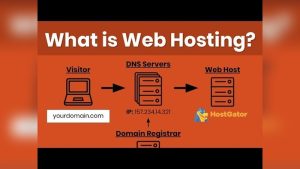
Picking the right domain is very important. It should be easy to remember. Try to keep it short. Make sure it fits your website theme. A good domain helps people find your site. Avoid using numbers or hyphens. These can confuse visitors. Check if the domain is available. Use tools online to help with this.
After choosing, you must register your domain. Find a trusted company for this. Many companies offer domain services. Compare prices and services. Registering a domain means owning it. You need to renew the domain each year. This keeps your domain safe. Your domain is like your online address.
Credit: www.wpbeginner.com
Web Hosting
There are several hosting types. Each suits different needs. Shared hosting is the most common. It is budget-friendly. It means sharing a server with others. VPS hosting offers more control. It is still shared but has dedicated resources. Dedicated hosting provides full server control. It is for big websites with lots of traffic. Cloud hosting is flexible. It uses many servers to balance load.
A good host keeps your site running. Look for reliable uptime and fast speeds. Check customer service options. 24/7 support is best. Read user reviews to understand real experiences. Pricing matters but so does service quality. Compare features like storage and bandwidth. Make sure they meet your needs. A host should offer security features. Protect your site from threats.
WordPress Installation
Manual installation lets you have full control. It might be tricky for beginners. You need to download WordPress files. Then, upload them to your server. Next, create a database. Finally, run the setup script. It takes more time.
One-click install is much easier. Hosting providers offer this. You just click a button. The software installs WordPress for you. It’s fast and simple. Great for newcomers.
First, choose a hosting provider. Next, get a domain name. Then, install WordPress. Use either manual or one-click method. After that, log into your dashboard. Change your site’s settings. Pick a theme. Add essential plugins. Start building your site.
Themes And Design
Creating a WordPress website requires selecting the right theme and design. Themes shape the site’s look and feel, while design focuses on user experience. Together, they build an engaging and functional online presence.
Free Vs. Premium Themes
Choosing between free and premium themes can be tough. Free themes are usually simple. They offer basic designs. They can save money. But, they might lack features. Sometimes, they don’t update often. Premium themes offer more features. They have better support. They update regularly. These themes may be costly. They can have advanced designs. They often come with extra tools. Consider your budget and needs. Free themes work well for beginners. Premium themes fit advanced users. Think about your site goals.
Customizing Your Theme
Customizing your theme helps your site stand out. Add your logo. Change colors. Use different fonts. Make it look unique. Many themes allow easy changes. Use the WordPress Customizer. This tool is user-friendly. It helps you see changes live. Try new layouts. Add widgets for more features. Customizing can be fun. It shows your style. It makes your site personal. Take your time. Experiment with options. Make your site truly yours.
Essential Plugins
Building a WordPress website requires essential plugins for functionality and design. These tools help with SEO, security, and performance optimization. They are crucial for creating a user-friendly and efficient site.
Must-have Plugins
Plugins make your WordPress site better. They help with different tasks. A security plugin keeps your site safe. You need it to protect your data. An SEO plugin helps people find your site. It improves your search ranking. Use a backup plugin to save your work. If something breaks, you can restore it. A contact form plugin lets visitors talk to you. This helps build connections. An analytics plugin shows who visits your site. It tells you what they like.
These plugins are easy to add. They make your site better. Choose the right plugins for your needs. Your site will work well.
Installing And Activating Plugins
First, go to your WordPress dashboard. Click on the “Plugins” tab. Then, click “Add New” to find plugins. Search for the plugin you need. Click “Install Now” to add it. Wait for the installation to finish. After that, click “Activate” to use it. Your plugin is now ready. It will start working on your site. Make sure to keep your plugins updated. This helps them work well.

Credit: www.wpzoom.com
Content Creation
Pages and posts are key parts of a WordPress website. They help organize content. Setting them up is easy with the WordPress editor. The editor is user-friendly. It lets you add text, images, and videos.
Start by creating a new page or post. Click ‘Add New’ in the dashboard. Write your content in the text box. Use headings to structure your text. Headings make reading easier. Add images by clicking the ‘Add Media’ button. Images make posts more engaging.
Use the toolbar to format text. You can make text bold or italic. Add links to connect pages. Links guide readers to more information. Save changes by clicking the ‘Save Draft’ button. Publish when ready. The ‘Publish’ button makes your content live.
Seo Best Practices
Building a WordPress website involves choosing a domain, selecting a hosting provider, and installing WordPress. Customize with themes and plugins for design and functionality. Regular updates and SEO practices ensure better visibility and performance online.
Optimizing For Search Engines
To make your website visible, use keywords wisely. Place them in the title, headings, and content. This helps search engines find your site. Keep content fresh and relevant. Updating content often is good. Make sure your website loads fast. Users don’t like to wait. Use alt text for images. This helps search engines understand images.
Using Seo Plugins
SEO plugins are tools that help. They guide you on how to improve your site. Some popular plugins are Yoast SEO and All in One SEO Pack. These plugins suggest ways to use keywords better. They also help with meta descriptions and titles. Ensure that your site is mobile-friendly. Many people use phones to browse. Plugins can check if your site works well on phones. They also help with sitemaps which tell search engines about your pages.
Security Measures
Building a WordPress website requires strong security measures to protect your data. Install security plugins, use strong passwords, and keep software updated. Regular backups ensure your site remains safe from potential threats.
Securing Your Site
Keep your WordPress site safe. Use strong passwords and change them often. Install a security plugin. These plugins help stop hackers. Regularly update your themes and plugins. Updates fix security holes. Protect your website with an SSL certificate. SSL encrypts data between users and your site. This encryption keeps information safe.
Regular Backups
Backups are important. They save your site’s data. If something goes wrong, you can restore your site. Use a backup plugin. Schedule automatic backups. Store backups in a safe place, like cloud storage. This way, you won’t lose any data. Test your backups. Make sure they work. If one backup fails, you can try another.
Performance Optimization
Building a WordPress website requires choosing a reliable hosting service. Install WordPress with a simple one-click setup. Select a responsive theme to ensure a smooth user experience.
Improving Site Speed
Fast websites make users happy. A slow site can upset them. Site speed is very important. It affects how people see your website. Faster sites can make users stay longer. Images need to be the right size. Large images slow down sites. Use tools to make them smaller. Also, less code makes a site faster. Clean up extra code. Keep it simple.
Caching And Optimization Plugins
Caching helps websites load fast. It saves copies of pages. This way, the server works less. WordPress has many plugins. These plugins help with caching. They make sites faster. Some popular plugins are W3 Total Cache and WP Super Cache. They are easy to use. These plugins improve site speed. They also help with SEO. Faster sites rank better in search engines. Always update plugins for best performance.
Analytics And Monitoring
Google Analytics helps track website visitors. It shows how many people visit. It also shows which pages they like. Install Google Analytics on your website. Use the plugin for easy setup. It’s free and helps a lot.
Find out where your visitors come from. See what devices they use. This tool helps improve your site. Understand your audience better. Make smart changes based on data.
Fast websites keep people happy. Slow sites make visitors leave. Check your site speed often. Use tools like Google PageSpeed Insights. These tools show what slows your site. Fix problems to make it faster.
Monitor your site uptime. Downtime means your site is offline. Use services to alert you when it happens. Keep your website running smoothly. Happy visitors come back more often.
Frequently Asked Questions
What Are The Basic Requirements For A WordPress Site?
To build a WordPress site, you’ll need a domain name and hosting. Choose a reliable hosting provider that supports WordPress. Install WordPress on your hosting account. Customize the site using themes and plugins. Ensure you have a clear plan for your site’s design and content.
How Much Does Building A WordPress Site Cost?
Costs can vary based on hosting, domain, and design choices. A basic site can start around $50 annually. Premium themes and plugins can increase costs. Consider hiring a developer for advanced customizations. Budget for ongoing maintenance and updates.
Can I Build A WordPress Site Without Coding?
Yes, WordPress is user-friendly and requires no coding skills. Use the WordPress dashboard to manage your site. Customize with themes and plugins. Drag-and-drop builders like Elementor simplify design. Access thousands of pre-designed templates for quick setup.
What Security Measures Are Needed For WordPress?
Install security plugins to protect against threats. Regularly update WordPress, themes, and plugins. Use strong passwords and two-factor authentication. Back up your site frequently. Monitor your site for suspicious activity. Choose a hosting provider with strong security features.
Conclusion
Creating a WordPress website is simpler than it seems. You need a domain name first. Then, choose reliable hosting. Next, install WordPress on your server. Customize your site using themes and plugins. Add essential pages like Home and Contact. Ensure your website is mobile-friendly.
Focus on user experience and design. Regularly update content for fresh appeal. Check site speed for optimal performance. Secure your site with strong passwords. Monitor analytics to track visitors. Start building today and enjoy your own online space. It’s a rewarding journey.