Are you ready to launch your very own WordPress website but unsure where to start? You’re not alone.
Setting up a WordPress site can feel like navigating a maze, but it doesn’t have to be. Imagine having a clear, simple roadmap that guides you through every step, ensuring nothing is overlooked. That’s exactly what this guide offers. Whether you’re building a personal blog, an online store, or a professional portfolio, knowing precisely what you need is the key to success.
Keep reading to discover the essential tools, tips, and tricks that will transform your vision into a stunning WordPress website. Your online presence is just a few clicks away.
Credit: www.wpbeginner.com
Choosing A Domain Name
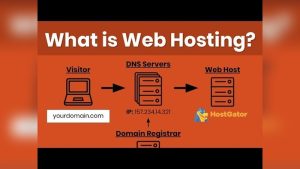
Picking a domain name is important. It’s the website’s address. Short names are better. Easy to spell names help users. Try to use keywords related to your site. Keywords help search engines find you. Popular domain extensions are .com, .net, and .org. Check if the name is available before deciding. Use domain name registrars to search. Avoid using numbers and hyphens. They confuse visitors. Make sure it’s memorable. This helps people return to your site.

Credit: wordpress.org
Selecting A Web Hosting Provider
Choosing the right web hosting provider is crucial. A good host keeps your site running smoothly. Look for hosts with 24/7 support. They should offer a money-back guarantee. Check if they provide automatic backups. This protects your data. You want a host with high uptime. It ensures your site is always online. Compare different plans. Some hosts offer shared hosting. Others provide dedicated servers. Understand your needs before deciding. Consider the bandwidth offered. More bandwidth means faster site speed. Look for hosts that offer SSL certificates. This ensures your site is secure. Choose a host that fits your budget. A reliable host is essential for a successful site.
Installing WordPress
Many web hosts offer a one-click installation
Manual installation requires more steps. First, download the WordPress package. Next, upload the files to your server. Create a database for WordPress. Configure the wp-config.php file. Follow the instructions carefully. This method suits advanced users. It offers more control over settings. You can customize the setup to your needs.

Credit: blog.hubspot.com
Picking A WordPress Theme
Free themes are a good start for beginners. They are easy to find. Many are available in the WordPress theme library. Free themes usually have basic features. They offer simple designs. No cost is the biggest benefit. But, support may be limited. Updates are not always regular. Sometimes, they lack advanced options. Choose carefully. Check reviews and ratings. Ensure it fits your needs.
Premium themes often have more features. They offer unique designs. Support is usually better than free themes. Regular updates keep them secure. You can customize them more. Premium themes may cost money. But, they can save time. Many have built-in features. This reduces the need for extra plugins. Choose a theme that fits your budget. Read feedback from other users.
Essential Plugins
SEO plugins help your website rank better. They make it easier for people to find your site. Popular choices include Yoast SEO and All in One SEO Pack. These tools help with keywords and meta tags. They also guide you to improve readability. Better SEO means more visitors.
Security plugins protect your site from hackers. They keep your data safe. Wordfence and Sucuri are top picks. These plugins alert you to threats. They also scan for malware. A secure site builds trust with users.
Performance plugins make your site faster. Fast sites keep users happy. W3 Total Cache and WP Super Cache are popular. They reduce load times. Quick sites improve user experience. Better performance helps with SEO too.
Customizing Your Website
Themes make your site look nice. You can pick a theme you like. Change colors to match your brand. Change fonts to make text easy to read. Update images to make your site unique. It’s fun to try different looks. Change the theme until you love it.
Widgets are like small tools. They help make your site better. Add a search bar to help people find things. Include a calendar to show events. Put in social media links so people can follow you. Widgets can go in sidebars or footers. They make your site more useful and fun.
Setting Up Website Pages
The Home Page is your website’s main face. Keep it simple and clear. Use a clean layout with easy navigation. Highlight important sections like products or services. Add a catchy headline to grab attention. Include a brief introduction about your website. Use quality images to make it look good.
On the About Page, tell visitors about your story. Share your mission and values. Explain what makes your website special. Use friendly language. Introduce your team if you have one. Add some personal touches to connect with readers. Use real pictures of your team or workspace.
The Contact Page helps visitors reach you. Provide a simple contact form. Include your email and phone number. Add your business address if needed. Use a map to show your location. Ensure your social media links are visible. Make it easy for visitors to contact you anytime.
Creating Blog Posts
Every blog needs good content. Simple sentences work best. They are easy to read. Use short words and sentences. This helps readers understand. Break content into small parts. This keeps the blog tidy. Use headings to guide readers. They help find information fast.
Images make blogs fun. They catch the eye. Always choose clear images. They should relate to the topic. Use small image files. They load faster. Add alt text to each image. This describes the image. It helps when images don’t load. It also helps search engines.
Enhancing Website Security
Securing a WordPress site starts with choosing reliable hosting and installing security plugins. Regular updates and strong passwords are essential to protect against threats. Backup solutions ensure data recovery and peace of mind.
Regular Updates
Keeping your WordPress website safe is very important. Regular updates help protect your site. Update WordPress, plugins, and themes often. Old versions can have security holes. Hackers look for these holes. Updates fix them. Make sure to check for updates weekly. It’s easy and quick to do. A secure site keeps your visitors safe too.
Backup Solutions
Backups are like safety nets for your website. Regular backups protect your site’s data. If something goes wrong, you can restore your site. Use plugins to automate backups. Store copies in multiple places. Cloud storage is a good option. It keeps your data safe from local issues. Backups should be done weekly or daily if possible. This ensures you lose minimal data.
Optimizing For Search Engines
Every website needs the right keywords. Use words people search often. Find words with tools like Google Keyword Planner. These tools help you know what people type in search bars. Choose words that match your site’s topic. This helps people find your site easily.
Good on-page SEO is key. Add keywords to your page titles. Use them in your headings too. Don’t forget to add them in the text. But don’t use them too much. It should feel natural.
Images need descriptions with keywords. This helps search engines understand your page better. Use short and clear sentences. This makes your content easy to read.
Frequently Asked Questions
How Do I Choose A Domain Name?
Choosing a domain name involves creativity and relevance. Make it memorable, short, and easy to spell. Consider using keywords related to your niche. Ensure it’s unique and doesn’t infringe on trademarks. Use tools like domain name generators for inspiration. Verify availability and register with a trusted registrar.
What Hosting Service Should I Select?
Select a hosting service based on your website needs. Consider factors like reliability, speed, and customer support. Choose between shared, VPS, or dedicated hosting based on budget and traffic expectations. Look for services offering easy WordPress installation. Popular choices include Bluehost, SiteGround, and HostGator.
Do I Need Technical Skills For WordPress Setup?
Basic technical skills can be helpful but aren’t necessary. WordPress is user-friendly and designed for beginners. Most hosting services offer one-click installation. Tutorials and forums provide guidance. You can manage themes and plugins with a simple interface. For complex tasks, professional help is available.
How Do I Secure My WordPress Site?
Securing your site involves several steps. Install a security plugin to protect against threats. Regularly update WordPress, themes, and plugins. Use strong passwords and limit login attempts. Enable SSL for encrypted data transfer. Regular backups ensure data safety. Consider professional security services for added protection.
Conclusion
Creating a WordPress website is simpler than you think. Start with choosing a reliable hosting provider. Then, select a domain name that fits your brand. Install WordPress with a few clicks. Pick a theme that matches your style. Customize it using easy-to-use plugins and tools.
Keep your content fresh and engaging. Regular updates ensure your site stays secure. Seek help if needed; many resources are available. With patience and practice, you’ll soon have a site to be proud of. Happy blogging!