
Have you ever wondered about the purpose of ‘My Pages’ in WordPress? If you’re diving into the world of WordPress, understanding ‘My Pages’ is crucial to building a seamless and engaging website.
Imagine having a website where every page is tailored to your needs, effortlessly guiding your visitors through your content. That’s the magic of ‘My Pages’. You’ll uncover the secrets behind using these pages effectively, ensuring your site not only looks great but performs exceptionally well.
Get ready to unlock the potential of your WordPress site and discover how ‘My Pages’ can transform your online presence. Keep reading, because what you’re about to learn will change the way you think about website design forever!
Credit: profilepress.com
Role Of Pages In WordPress
Pages in WordPress are for static content. They are different from posts. Pages do not show up in the blog feed. Instead, they are for content like “About Us,” “Contact,” or “Services.” This content is usually timeless. Pages are useful for information that doesn’t change often.
Pages do not have categories or tags. They can have a hierarchical structure. For example, a “Parent Page” can have “Child Pages.” This helps in organizing content. Pages are also perfect for landing pages. They keep important information easy to find.
Plugins can add more features to pages. They can help you create forms or add galleries. Pages are an essential part of a WordPress site. They help keep your website organized and user-friendly.
Credit: www.hostgator.com
Pages Vs. Posts
In WordPress, pages and posts serve different roles. Pages are like static parts of a website. They hold information that doesn’t change much. Examples are About Us or Contact pages. Posts are dynamic. They are updated often. Think of them like news articles or blog entries.
Pages are not listed by date. They are always there. Posts show up in a timeline. New posts push old ones down. Both pages and posts can have comments. But pages usually do not have them. Readers use posts to engage.
Creating A Page
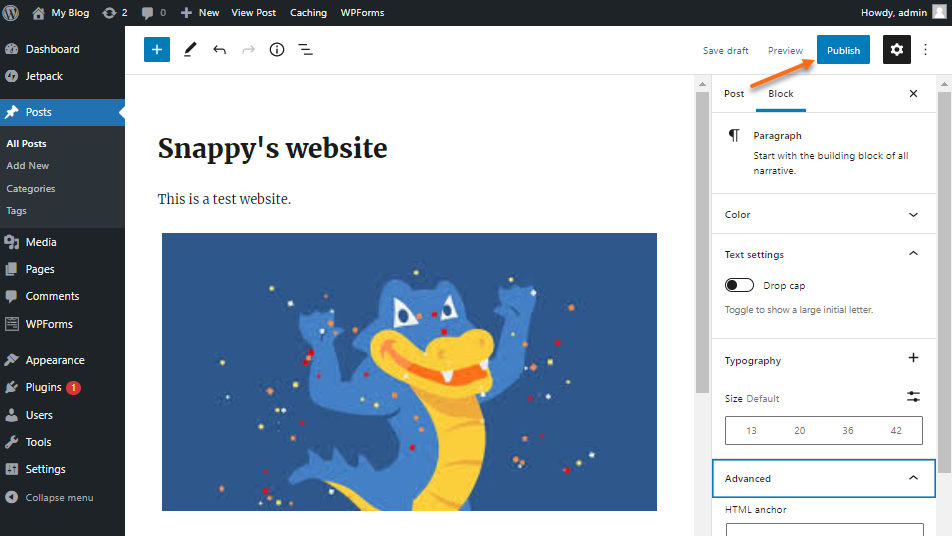
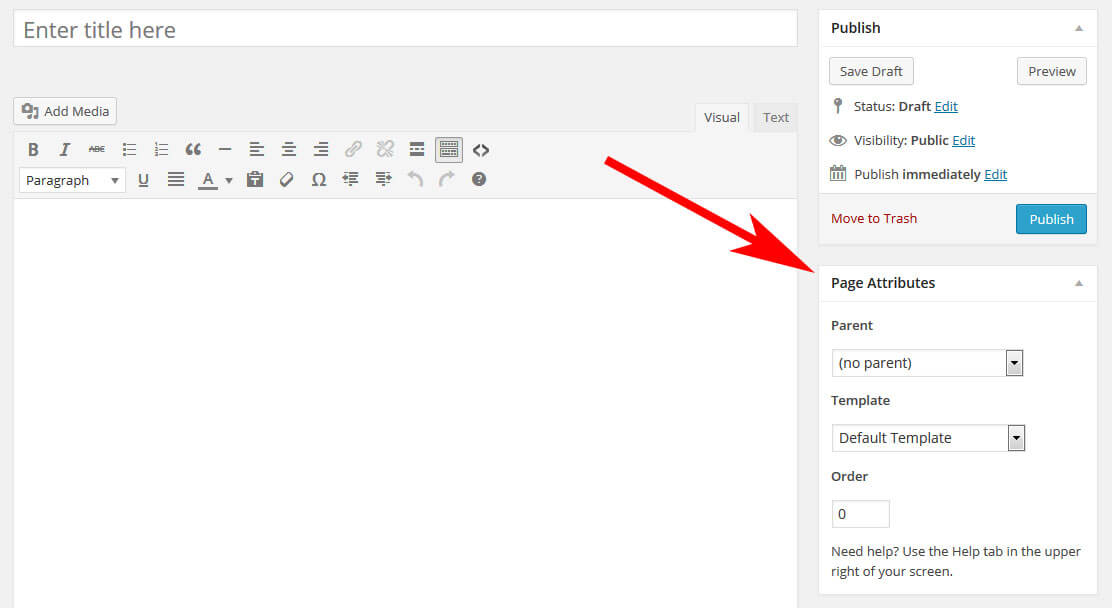
A page in WordPress is different from a post. Pages are used for content that doesn’t change often. For example, an About Us page. Start by going to your WordPress dashboard. Click on “Pages” then “Add New”. You will see a blank area. This is where you write. Add a title for your page at the top. Below, write the main content. Use simple words and short sentences. It helps readers understand better. On the right, you can choose a template. Templates decide how your page looks. Once done, click “Publish”. Your page is now live. It’s easy and fast. Anyone can do it.
Credit: www.smashingmagazine.com
Customizing Page Layouts
WordPress pages help in building your website. You can create unique layouts for each page. Use themes to change how pages look. Themes offer different styles and formats. Choose a theme that fits your site’s needs.
Use the WordPress editor to change page content. The block editor lets you add text, images, and videos. Drag and drop these elements. It’s simple to rearrange content as you like. Plugins add extra features to pages. They help in making pages interactive.
Customized layouts make your site look special. They help in showing information clearly. Visitors find it easy to use your site. A good layout keeps visitors on your site longer. This improves user experience.
Static Content Management
Pages in WordPress help manage static content. They hold important information. Like the “About” or “Contact” sections. These pages don’t change often. Unlike blog posts. Use them for permanent information. Each page has a unique URL. This makes it easy to find. You can organize pages in a hierarchical order. Main pages and sub-pages. This keeps your site neat. Visitors can navigate with ease. Pages do not have dates. So they stay fresh. You can add content through the WordPress editor. Include text, images, and links. Customize each page. Make it look just right. A well-organized site attracts more visitors. They find what they need quickly. That’s the power of WordPress pages.
Seo Benefits Of Pages
Pages help in organizing website content. They are important for SEO. Search engines love well-structured sites. Pages are easy to find. They stay in one place. Unlike posts, they don’t move down. This makes them valuable for key information.
Pages can hold important details. Like contact info or company history. Visitors find these fast. This is good for user experience. Happy users stay longer. This helps with SEO ranking. Pages are simple to manage. They don’t need frequent updates. This saves time and effort.
Clear titles help boost SEO. Add keywords to them. Make sure the words fit the content. Use headings and subheadings. These make it easy to read. It’s good for visitors and search engines.
Integrating Plugins With Pages
Plugins make WordPress pages more useful. They add extra features. Some plugins help with design. Others improve security. Many plugins offer new tools. This can make pages better.
Choose plugins wisely. Some plugins are free. Others cost money. Make sure the plugin fits your needs. Install plugins easily. Just click a few buttons. Most plugins are simple to use.
Plugins can change how pages work. They can add maps, forms, or galleries. Plugins can help with SEO. They can make pages load faster. Remember, too many plugins can slow down your site. Use only what you need.
Common Page Templates
WordPress offers various page templates for different needs. The default template is basic and suits most pages. Another one is the full-width template. It has no sidebars, giving more space. The landing page template is for special promotions. It focuses on engaging visitors. A portfolio template displays your work beautifully. It is perfect for artists or designers.
There is also a blog template. It shows posts in a list. Great for sharing stories. The contact page template includes a form. Visitors can reach out easily. Lastly, the archive template organizes older content. Helps visitors find past posts quickly. These templates make your website more user-friendly and attractive.
Dynamic Vs. Static Pages
Static pages do not change often. They show the same content each time. Examples are about or contact pages. You set them up once. Dynamic pages change often. They update with new content. Blog or news pages are examples. They pull fresh data from a database.
Static pages are good for permanent info. Dynamic pages fit for changing info. Both have their uses. Knowing which to use helps you build a better site.
Managing Page Hierarchies
Pages help organize your website. They form a hierarchy. This means you can have a main page and subpages. A main page is like a parent. Subpages are like children. They sit under the parent. This helps users find things easily. It makes a site look tidy.
To create a subpage, choose a parent page. This is easy in WordPress. Go to the page settings. Select the parent page option. Now, your new page is a subpage. This keeps similar topics together. Users will thank you. They find information fast.
Using pages wisely improves site navigation. Visitors will enjoy a well-structured site. They stay longer and read more. This is good for your site. A well-ordered site is a happy site.
Frequently Asked Questions
What Are WordPress Pages Used For?
WordPress Pages are used to create static content that doesn’t change frequently. They are ideal for essential information like the About Us, Contact, or Privacy Policy. Unlike posts, pages don’t appear in the blog timeline. They help organize your site structure and improve user navigation.
How Do Pages Differ From Posts?
Pages and posts serve different purposes in WordPress. Pages are for timeless content, while posts are for timely updates. Posts appear in reverse chronological order on your blog. Pages are hierarchical and can have subpages, making them more suitable for static content.
Can I Customize WordPress Pages?
Yes, you can customize WordPress Pages using themes and plugins. Themes allow you to change layouts and styles. Plugins add functionality like contact forms or galleries. The Gutenberg editor in WordPress also provides block-based customization for a personalized page design.
Are WordPress Pages Seo-friendly?
Yes, WordPress Pages can be optimized for SEO. Use relevant keywords in titles and content. Add meta descriptions and alt tags for images. Ensure your URLs are clean and readable. Utilizing SEO plugins like Yoast can further enhance your page’s search engine visibility.
Conclusion
Pages in WordPress serve many functions. They organize content neatly. They improve user experience. They boost your site’s visibility. With pages, visitors find information easily. They help in building a structured website. Each page has its unique role. They enhance navigation across your site.
Pages are crucial for your website’s success. They support SEO efforts effectively. Use them wisely to engage your audience. Keep your site simple and easy to navigate. Pages are your tools for a better WordPress site. Make sure they are clear and purposeful.
Your site becomes more accessible with thoughtful page management.


