Have you ever felt overwhelmed trying to navigate a cluttered website? If so, you already understand the importance of a well-structured menu.
Menu pages in WordPress are like a roadmap for your website, guiding visitors effortlessly to the content they’re looking for. Imagine your website as a restaurant; without a clear menu, your guests might feel lost, unsure of what to explore or where to find what they need.
By mastering the art of menu pages, you can transform your WordPress site into a user-friendly, intuitive space that not only satisfies but delights your visitors. Ready to discover how these essential tools can enhance your site’s usability and keep your audience engaged? Let’s dive in and unravel the secrets behind effective WordPress menu pages.
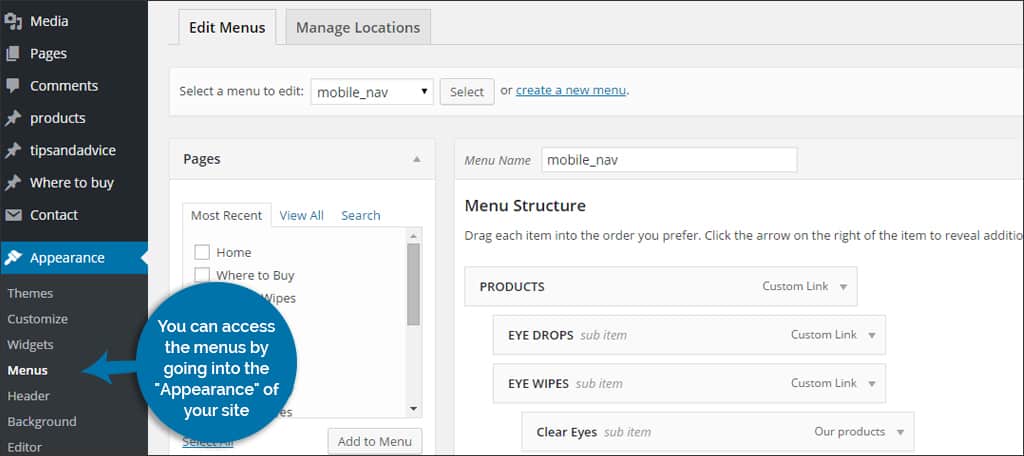
Credit: www.greengeeks.com
Menu Pages Basics
Menu pages are parts of a website. They help users find information quickly. In WordPress, these pages are important. They guide visitors to different sections. Menu pages often have links. These links take users to other pages. They make navigation easy. WordPress menu pages can be customized. Users can add or remove items. This flexibility helps in organizing content.
Menu pages serve a key role. They organize website structure. Users can access desired content fast. Menu pages improve user experience. They help visitors find what they need. Clear menus reduce confusion. They guide people through the site. Properly structured menus enhance accessibility. They support easy navigation across the website. Menu pages are vital for site usability.
Creating Menu Pages
Menu pages help you organize your website. They make it easy for visitors to find information. To create a menu page, go to the WordPress dashboard. Click on “Appearance”, then “Menus”. From there, you can add pages, links, or categories. Drag and drop them to arrange the order. You can also create sub-menus. This way, your site looks neat and tidy. Always save your changes. This ensures everything works correctly.
Sometimes, you need more control over menu pages. Custom code helps with this. Use HTML and CSS to style your menus. This makes them unique. You can also use JavaScript for special effects. Always backup your site before adding code. This keeps your site safe. If unsure, ask a developer for help. They can guide you.
Customizing Menu Pages
WordPress menu pages can have many design choices. Colors can change. Fonts can be bold or light. Layouts are flexible. Choose a simple look or a fancy style. Make sure it matches your website’s theme. Easy navigation is key. Users should find what they need fast. Good design helps the user experience. Custom icons can also add a unique touch.
Menu pages can have extra features. Add interactive elements like dropdowns. Include search bars for quick access. Create links to social media. Add custom widgets to show popular content. These features improve user interaction. They make the site more engaging. A well-designed menu keeps users happy. It makes them return to your site often.
Managing Menu Pages
Organizing menu items helps users find what they need quickly. Put the most important pages at the top. Group similar pages together. This makes it easy for users to navigate. Use clear and simple names for each item. Keep the menu list short and tidy. Too many items can confuse users. Updating content is important for keeping your site fresh. Change menu items as your site grows. Add new pages to the menu if needed. Remove pages that are no longer useful. Regular updates improve user experience and keep them engaged. Always check links in the menu. Make sure they work properly. Broken links can frustrate users.
Plugins For Menu Pages
WordPress has many plugins for menu pages. These plugins help in creating beautiful menus. They are easy to use. Some popular ones are Max Mega Menu, WP Responsive Menu, and UberMenu. Max Mega Menu lets you add widgets to your menu. WP Responsive Menu makes menus look good on phones. UberMenu is very flexible. You can make unique menus with it.
Picking the right plugin is important. First, check if the plugin is updated. Plugins need updates to work well. Next, read user reviews. Reviews tell you if a plugin is easy to use. Finally, try the free version first. Free versions help you test features. Choose a plugin that fits your needs.
Best Practices
Menu pages should be easy to navigate. Users should find what they need quickly. Simple designs work best. Avoid clutter. Too many items confuse users. Use clear labels. Help users understand each section. Consistency is key. Keep the same style across all pages. This makes navigation easier. Use colors wisely. They should match the theme. Avoid too many colors. It can be distracting.
Ensure your menu is mobile-friendly. Many users browse on phones. Make sure the menu adjusts to small screens. Use a responsive design. This helps users on any device. Test your menu often. Find out if users are having trouble. Fix issues quickly. A good menu improves the overall experience.
A well-optimized menu boosts search engine rankings. Use keywords in menu labels. They help search engines find your pages. Keep URLs clean and descriptive. Avoid long and confusing links. Fast loading menus are essential. Slow pages lower rankings. Compress images to speed up loading time. Use alt text for images. This helps search engines understand your content.
Internal linking is important. It helps search engines crawl your site. Link menu items to relevant pages. Update links regularly. Broken links hurt SEO. Keep your menu updated. Add new items when necessary. Remove outdated links. A well-maintained menu boosts visibility.
Common Challenges
Creating menu pages in WordPress can be tricky. Issues often arise with navigation structure and design consistency. Ensuring user-friendly access to all site sections is essential.
Troubleshooting Issues
Menus can stop working suddenly. It can be quite puzzling. Plugins may cause problems. They can clash with each other. Themes might not support custom menus. This can make menus disappear. Updates can also lead to issues. Sometimes, they break things. An old WordPress version may not work well. Always keep everything updated. Check for conflicts regularly.
Avoiding Common Mistakes
Mistakes happen often. Many people forget to save changes. Always click ‘Save’. It’s important. Forgetting to assign a location is common. Menus won’t show without a spot. Naming menus well helps. Clear names make things easier. Avoid using too many items. Too many can confuse visitors. Keep it simple. Check links regularly. Broken links frustrate users.
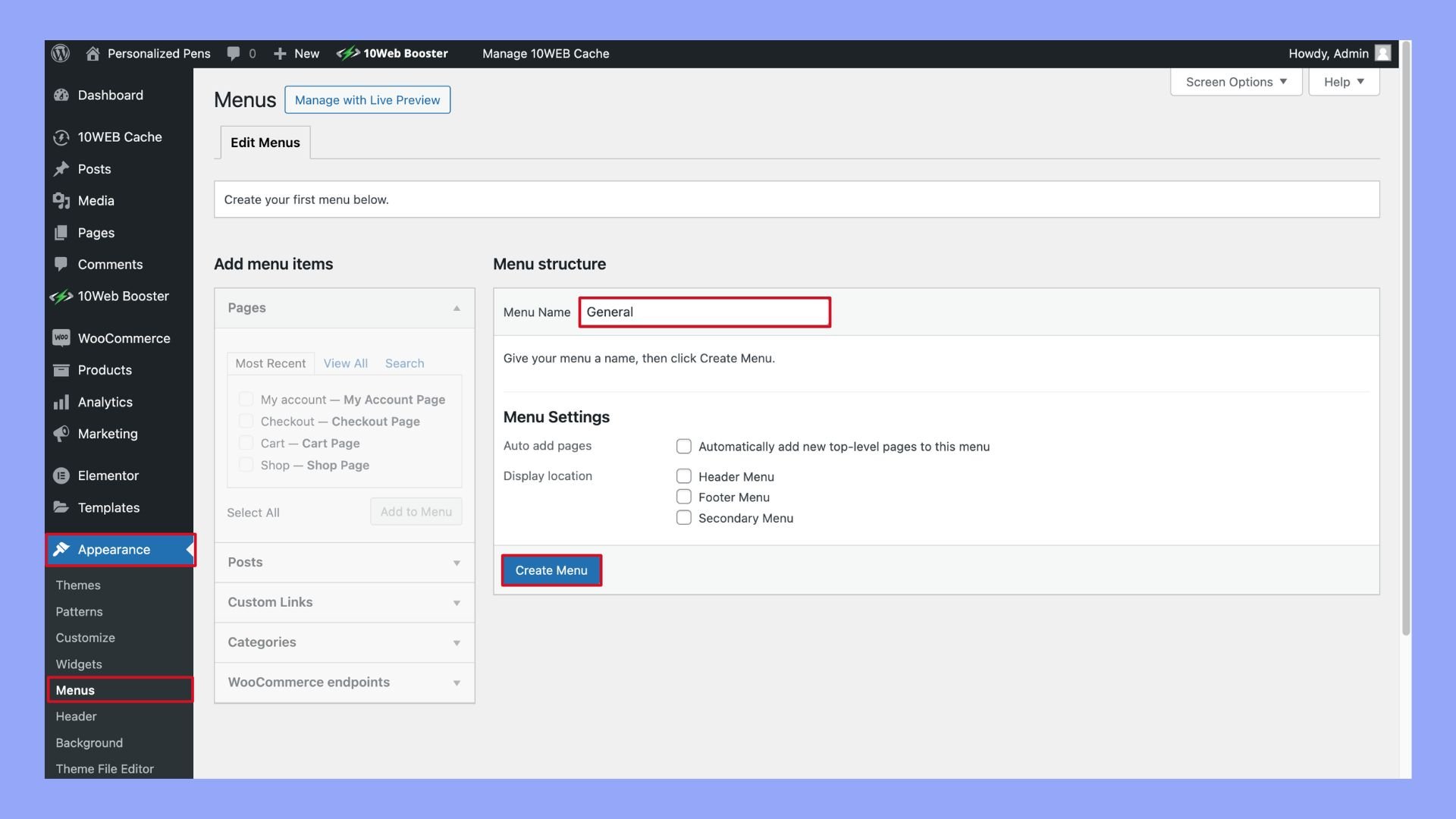
Credit: 10web.io

Credit: www.youtube.com
Frequently Asked Questions
What Are Menu Pages In WordPress?
Menu pages in WordPress are navigational elements that help organize content. They allow users to easily access different sections of a website. Menu pages can be customized in the WordPress dashboard and are essential for improving user experience and site navigation.
How To Create Menu Pages In WordPress?
To create menu pages, go to the WordPress dashboard. Navigate to Appearance > Menus. You can add pages, categories, and custom links. Drag and drop to organize them. Save the menu to apply changes. This process helps structure site navigation effectively.
Why Are Menu Pages Important For WordPress Sites?
Menu pages improve user experience by providing clear navigation paths. They help visitors find content quickly. Well-organized menus enhance site usability and can positively impact SEO. They ensure users stay longer on your site, reducing bounce rates and increasing engagement.
Can Menu Pages Affect WordPress Seo?
Yes, menu pages can influence SEO by improving site structure. Search engines favor well-organized sites. Properly structured menus help search engines understand content hierarchy. This can lead to better indexing and potentially higher rankings, enhancing visibility on search engine results pages.
Conclusion
Menu pages in WordPress simplify site navigation. They guide users smoothly. Easy setup enhances user experience. This boosts engagement on your site. Visitors find content faster. Less confusion. Better satisfaction. Organizing menus is crucial for clarity. It helps users explore effortlessly.
Simple design keeps them on track. User-friendly sites attract more visitors. They stay longer. Menu pages act as a roadmap. They direct users where they need to go. Craft them thoughtfully. Ensure your site is accessible and intuitive. Happy users return.
They spread the word. Your site grows organically. Menu pages make this happen.