Are you wondering if the software you buy for your business counts as a business expense? Knowing the answer can save you money and help you manage your taxes better.
Whether you pay for software once or subscribe monthly, understanding how to classify these costs is key. You’ll discover how software expenses work, when you can write them off, and how to make smart choices that benefit your business. Keep reading to get clear, simple answers that put you in control of your business finances.

Credit: www.fylehq.com
Software Expense Basics
Understanding software expenses is important for managing business costs. Software costs vary by type and how you use them. Some software costs are small and recurring, while others involve large one-time payments. Knowing the basics helps you decide how to record these expenses in your books.
Proper classification affects your taxes and financial reports. Learning the difference between expense and capital asset is key. This guide covers the main points about software expenses in business.
Types Of Software Costs
Software costs include buying, subscribing, and developing software. Buying software means a one-time payment for a license. Subscription costs are recurring fees paid monthly or yearly. Custom software development involves costs to build software tailored to business needs.
Some software is for general office use, like word processors. Other software supports specific business functions, such as accounting or customer management. IT infrastructure software, like operating systems, also counts as a software cost.
Expense Vs. Capital Asset
Small software costs are usually treated as expenses. This means you deduct the cost in the year you pay for it. Software with a short useful life fits this category.
Software purchased for long-term use may be a capital asset. Capital assets are recorded on the balance sheet and depreciated over time. This applies when software costs are high or the software will be used for several years.
Deciding between expense and capital asset depends on cost and expected use. Proper classification ensures accurate financial statements and tax filings.
Credit: www.bluecamroo.com
Tax Rules For Software
Understanding the tax rules for software helps businesses handle expenses correctly. Different types of software costs receive different tax treatments. Knowing these rules can save money and avoid tax problems.
Deductible Software Expenses
Software costs that are small or used within a year usually qualify as deductible expenses. This includes subscription fees and minor software purchases. You can write off these expenses in the year you pay for them. Most cloud-based software subscriptions fall into this category.
Amortization And Depreciation
Software with a longer useful life is treated as a capital asset. You cannot deduct the full cost in one year. Instead, you must spread the cost over several years. This process is called amortization for intangible assets like software. Depreciation applies if the software is part of hardware or physical assets.
Custom Software Development Costs
Costs to create custom software have special rules. Some costs can be deducted as business expenses. Other costs must be capitalized and amortized over time. Software development related to new products or improvements may need to be capitalized. Maintaining or updating existing software can often be deducted immediately.
Expense Categories For Software
Software expenses fall into different categories based on their use and cost. Knowing these categories helps businesses manage accounting and tax reporting. Some software costs are short-term and recurring. Others are long-term investments that require special treatment.
This section explains common expense categories for software. Each category covers a different type of software cost. Understanding these helps in classifying software expenses correctly.
It Expenses
IT expenses include software vital for technology infrastructure. This covers operating systems and network management tools. These are core to running business technology smoothly. IT expenses often support servers, security, and hardware.
Operating Expenses
Operating expenses cover regular business costs. This includes software needed daily to run operations. Examples include customer relationship management (CRM) and project management tools. These expenses usually recur monthly or yearly.
Software Subscriptions And Licenses
Software subscriptions and licenses involve paying for software access. Many businesses use subscription models for cloud software. Licensing fees may be annual or monthly. This category helps track ongoing software use costs.
Office Expenses
Office expenses include software for administrative tasks. Examples are word processors, spreadsheets, and email programs. These tools support general office work. They are necessary but not tied to IT infrastructure.
Capital Expenses
Capital expenses apply to software purchased outright. These have a useful life longer than one year. Businesses treat this software as a fixed asset. Costs are amortized over time instead of expensed immediately.
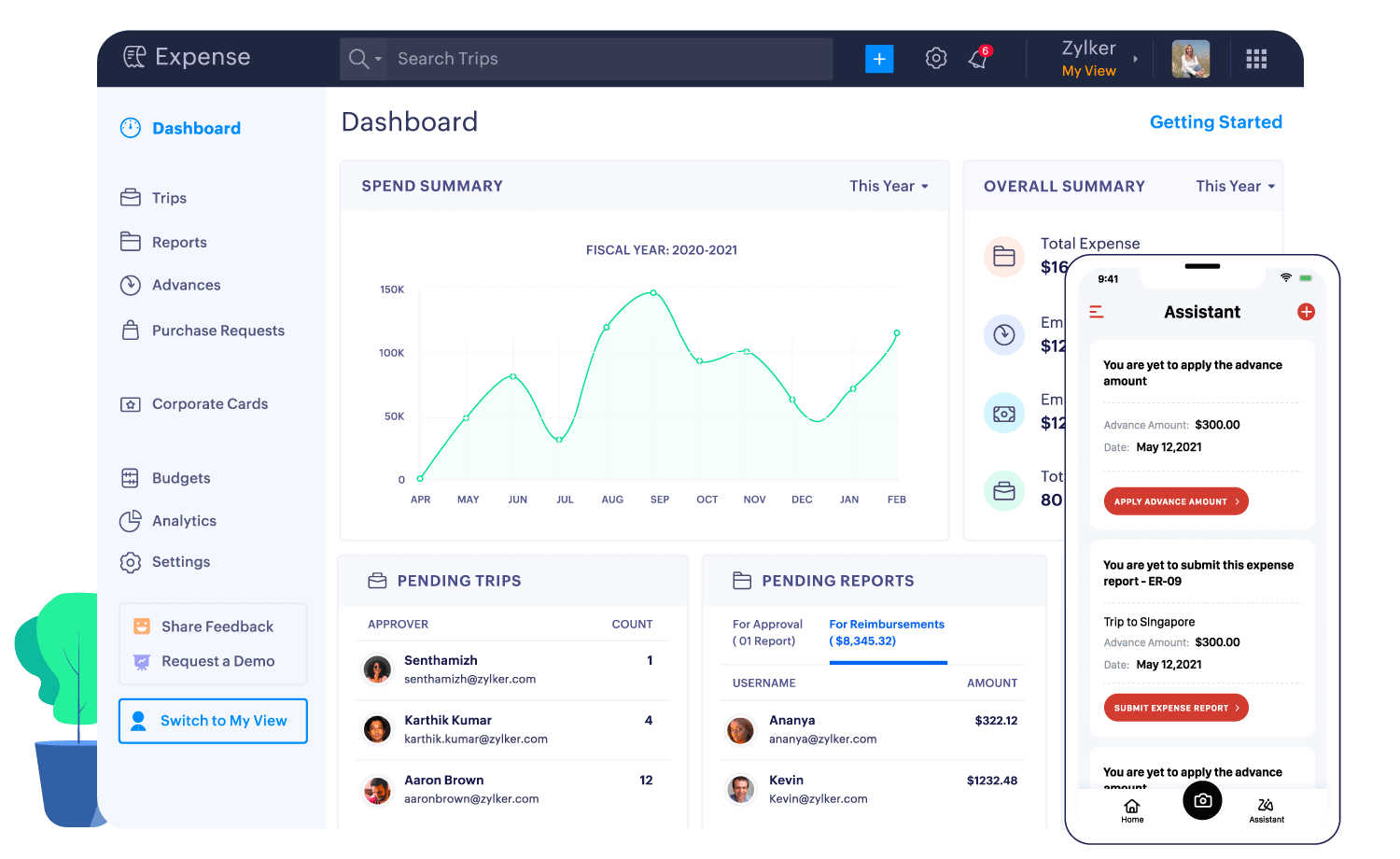
Credit: www.zoho.com
Determining Software Classification
Classifying software as a business expense requires careful evaluation. The classification affects how you record and deduct the cost. Different types of software purchases and uses have distinct accounting treatments. Understanding these differences helps in accurate bookkeeping and tax filing.
Purchase Type And Usage
Software can be bought outright or accessed through subscriptions. Outright purchases often count as assets if used long term. Subscription fees usually count as regular expenses. The way you use the software matters too. Software used for daily operations is an expense. Software bought for long-term projects may be capitalized.
Useful Life Considerations
The expected duration of software use guides its classification. Software used less than one year is expensed immediately. Software lasting more than a year may be a capital asset. This means spreading the cost over several years. Tracking useful life avoids misstating business expenses.
Role Of Accountant Advice
Accountants provide valuable guidance on software classification. They ensure compliance with tax rules and accounting standards. Their advice helps in choosing the right expense category. Consulting an accountant reduces errors and audit risks. Professional input improves financial accuracy and reporting.
Frequently Asked Questions
Can I Claim Software As A Business Expense?
Yes, you can claim software as a business expense. Expense subscription-based or low-cost software immediately. Capitalize and depreciate expensive, long-term software purchases. Always consult your accountant for proper classification and tax compliance.
Is Software 100% Tax Deductible?
Software is not always 100% tax deductible in the purchase year. Deduction depends on cost, type, and tax rules. Some software expenses qualify as immediate deductions, while others must be capitalized and depreciated over time. Consult a tax professional for accurate classification and maximum benefits.
Is Software An Asset Or An Expense?
Software can be either an asset or an expense. Purchased software with long-term use is an asset, while subscriptions or short-term software are expenses.
What Type Of Expense Is Computer Software?
Computer software can be an operating expense or a capital expense. Subscription or low-cost software counts as operating expense. Purchased software with long-term use is capitalized and amortized. Choose the category based on purchase type, useful life, and business function.
Consult an accountant for precise classification.
Conclusion
Software expenses play a key role in running a business smoothly. You can usually deduct software costs as business expenses. One-time purchases might be treated as assets and depreciated over time. Subscription-based software often counts as a regular operating expense.
Knowing the type and use of software helps in categorizing expenses correctly. Always keep records to support your deductions. Managing software costs wisely can help control your business budget. Understanding these basics makes tax time easier and clearer.