
Are you ready to unlock the power of web APIs but unsure where to start? Imagine being able to seamlessly connect different systems, automate tasks, and enhance your applications with ease.
Sounds exciting, right? Hosting and consuming web APIs might seem complex at first, but with the right guidance, you can master this skill and significantly boost your tech capabilities. Whether you’re a developer looking to expand your toolkit or a business owner eager to streamline operations, understanding how to efficiently host and consume web APIs is your gateway to a more integrated digital ecosystem.
Stick with us, and you’ll discover straightforward, actionable steps to harness the full potential of web APIs, transforming how you and your applications interact with the digital world.
Credit: learn.microsoft.com
Web Api Basics
A Web API is a tool. It lets different apps talk. They share data and features. APIs work on the web. They help apps connect. An API is like a bridge. It joins two points. This makes work easier.
- Easy Access: Data is quick to get.
- Flexibility: Use data in many ways.
- Scalability: Handle more users easily.
- Integration: Combine with other tools.
- Cost-Efficient: Saves money.
Credit: faun.pub
Setting Up A Web Api
Selecting the best framework is essential for your web API. Popular choices include Express.js and ASP.NET Core. These frameworks are user-friendly. Each offers unique benefits. Express.js is lightweight and fast. ASP.NET Core is secure and robust. Consider your project needs. Choose wisely.
Good endpoint design is crucial. It helps with API efficiency. Use meaningful names for endpoints. Keep URLs simple and clear. Avoid complex paths. Example: /api/books is better than /api/booklist/collection. Use HTTP methods like GET, POST, and DELETE correctly. This makes your API easy to use and understand.
Security is very important for APIs. Use authentication methods like OAuth or JWT. These protect your API from misuse. Encrypt data with HTTPS to keep it safe. Regularly update your security protocols. This ensures your API remains protected. Always monitor for any security threats.
Hosting A Web Api
Local hosting keeps your data on your computer. It gives you more control. Cloud hosting keeps your data on the internet. It is safer and scalable. Local hosting is cheaper but harder to share. Cloud hosting is easy to share. It can be more expensive.
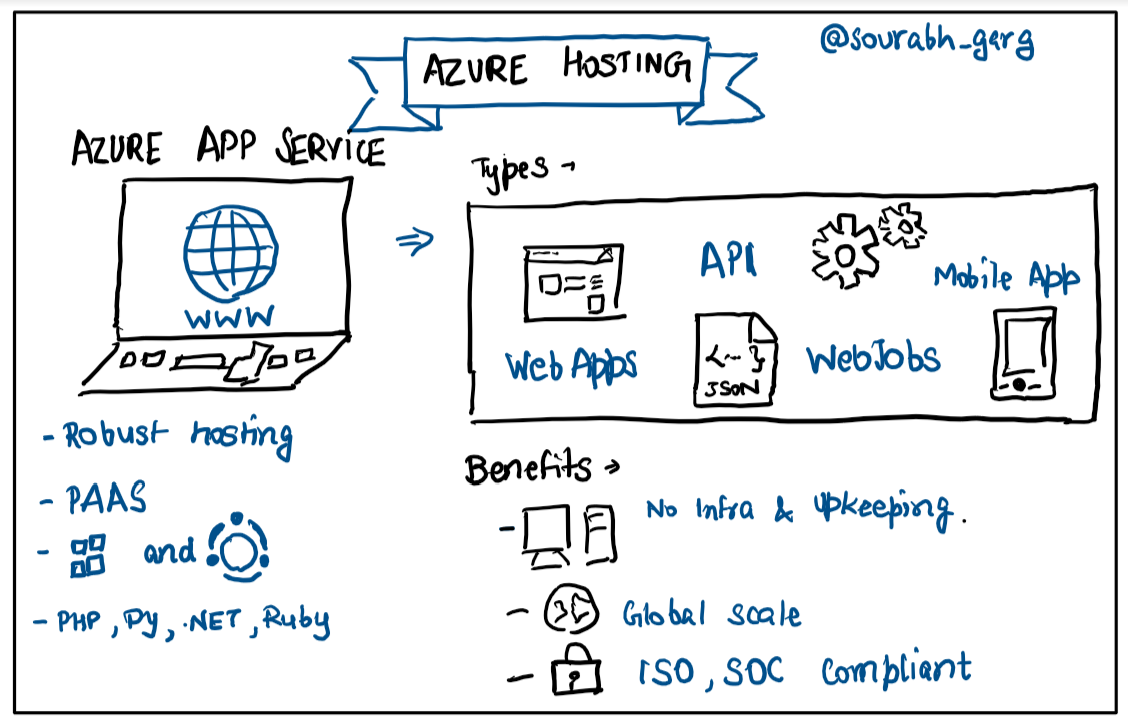
Choosing a hosting provider is important. Look for reliability and good support. Check if they offer security features. Compare prices and features. Some popular providers are AWS, Google Cloud, and Azure. They offer many tools. Make sure the provider meets your needs.
Keep your code clean and organized. Use version control systems like Git. Test your API before deployment. Use automated testing for efficiency. Secure your API with authentication. Regularly update your software. Monitor your API performance. This helps to fix issues quickly.
Consuming A Web Api
An API endpoint is a URL. It lets you interact with the API. Each endpoint does something special. It might give data or save data. Endpoints work like doorways. They let programs talk to each other. Knowing how to find and use them is key. This helps in getting or sending the right data.
HTTP methods are like action words for APIs. They tell the API what to do. GET is used to get data. POST is for sending data. PUT updates data. DELETE removes data. Each method has a purpose. Using the right method is important. It ensures the API works correctly.
An API response is what you get back. It could be data or an error message. Responses are often in JSON format. JSON is easy to read. It looks like a list. Check if the response is what you expected. If there’s an error, find out why. Fixing errors helps make your program better.
Tools For Api Consumption
Postman is a popular tool used for testing APIs. It helps users send requests and see responses easily. You can check if the API works correctly. It supports different types of requests like GET, POST, PUT, and DELETE. Debugging becomes easier with Postman. Users can also save requests for later use. The interface is user-friendly and simple to understand.
Frontend developers often use APIs to get data. They fetch data and display it on web pages. JavaScript is commonly used for this task. The fetch API is a tool in JavaScript for calling APIs. It is simple and easy to learn. Data from APIs is shown on websites after fetching. This helps in creating dynamic pages that update often.
Applications use API clients to connect with servers. This allows apps to get data from different places. API clients can be libraries or tools. They help apps request and receive data. Developers use them in mobile and web apps. This makes the app work better and provide more features. API clients make coding less complex and help apps function smoothly.
Troubleshooting Common Issues
Authentication errors can be a real headache. First, check your API keys and tokens. Make sure they are correct. Sometimes, keys expire. Refresh them if needed. Double-check your permissions. The API access might be restricted. Ensure your credentials have the right access.
Rate limiting stops too many requests. Check your API documentation for limits. Respect these limits. Spread out your requests. Use caching to save repeated data. This reduces requests. If needed, request a limit increase. Contact the API provider for help.
Debugging is crucial. Start by checking your request format. Ensure it’s correct. Look at your headers and body. They should follow the API rules. Use tools like Postman or cURL. These help test requests easily. Review error messages. They often provide hints to fix issues.
Best Practices For Security
OAuth keeps your data safe. It checks who can see your data. It stops bad people from breaking in. Use OAuth for better safety. It helps manage user access. Users get tokens for access. Tokens are like keys. They open doors to data. Always use secure tokens.
API Keys are secret codes. They let apps talk to each other. Each app gets a unique key. Keep your keys hidden. Never share them with strangers. Change keys regularly. This keeps your system safe. Keys tell who is using your app. They help in tracking users. Regular checks are important.
Encryption makes data unreadable. Only the right people can read it. Use encryption for all data. This includes messages and files. Protects data during travel. Keeps it safe from hackers. SSL/TLS are great tools. They encrypt data on the internet. Always use them for web apps. Safe data is happy data.
Future Trends In Web Apis
Explore how to host and consume Web APIs efficiently. Focus on integration methods and tools that simplify API management. Learn about security practices to protect your data and enhance performance.
Graphql Vs. Rest
GraphQL offers more flexibility than REST. It lets clients ask for what they need. REST returns fixed data structures. GraphQL can prevent over-fetching. It is popular for complex apps. REST is simpler and widely used. Many developers still prefer REST. GraphQL is gaining ground. Both have unique strengths.
Emergence Of Webhooks
Webhooks send data in real-time. They are event-driven. This is unlike traditional APIs. It saves resources. Developers use Webhooks for instant updates. They are key for notifications. Webhooks can enhance user experience. They are simple to set up. They are growing in popularity.
Api Monetization Strategies
APIs can generate revenue. Many companies charge for API access. Some offer free tiers. Others use subscriptions. Paid APIs provide premium features. This model is common in tech industries. Monetization can increase API quality. It attracts more developers. Many see it as a profitable strategy.

Credit: stackoverflow.com
Frequently Asked Questions
How Do I Host My Web Api?
Host your Web API using platforms like AWS, Azure, or Google Cloud. Set up a virtual server, configure the environment, and deploy your API files. Ensure security settings are optimized and regularly update your server and software for peak performance.
Consider using Docker for efficient container management.
How To Consume Web Api In Web Application?
To consume a Web API, use HTTP requests like GET or POST from your web application. Implement AJAX or Fetch for asynchronous operations. Parse JSON responses for dynamic content updates. Ensure proper authentication and error handling to maintain data security and application stability.
Can Web Api Be Self Hosted?
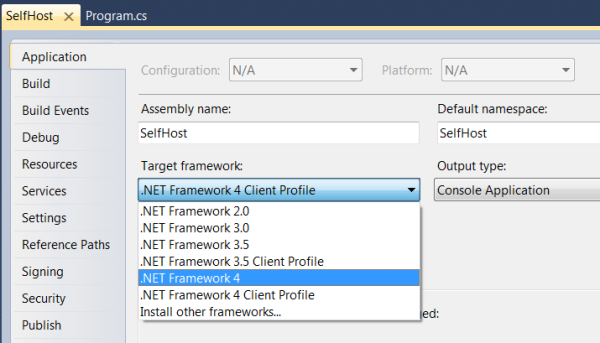
Yes, you can self-host a Web API using frameworks like ASP. NET Core. It allows full control over deployment and infrastructure. Self-hosting is ideal for customized environments or specific requirements. Ensure your hosting server meets necessary specifications for optimal performance and security.
How Do I Interact With A Web Api?
To interact with a Web API, send HTTP requests using methods like GET, POST, PUT, or DELETE. Use tools like Postman or code libraries such as Axios for JavaScript or Requests for Python. Handle responses by parsing JSON or XML data to use in applications.
Conclusion
Hosting and consuming a Web API is easier than it seems. Follow these steps to get started. First, set up your server. Then, design your API endpoints. Use simple tools like Postman to test. Finally, integrate your API into applications.
Troubleshoot any issues promptly. Keep learning and updating your knowledge. APIs are essential for modern applications. They connect different systems seamlessly. Always ensure your API is secure and efficient. With practice, you’ll gain confidence. Enjoy building and interacting with Web APIs.
Happy coding!


