
Are you ready to take your web development skills to the next level? Hosting a full stack web application on the cloud can transform your project into a powerful, accessible tool for users around the globe.
Imagine the possibilities: your application is always available, scalable, and secure. But how do you get there without feeling overwhelmed by the technical details? This guide is here to help you. You’ll discover simple, actionable steps to host your full stack web on the cloud, making the process straightforward and manageable.
Stay with us, and you’ll soon see how cloud hosting can elevate your web app to new heights.
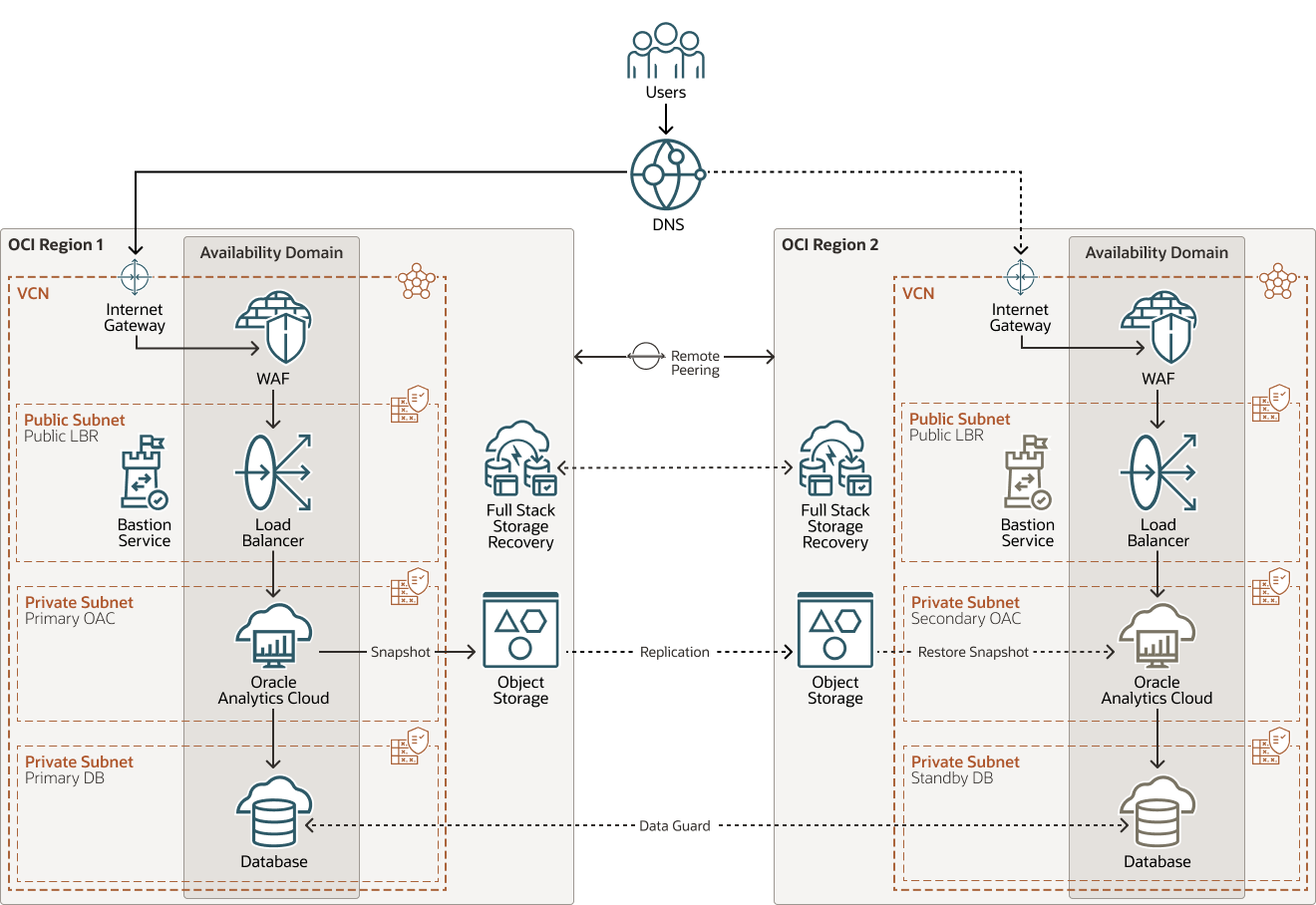
Credit: docs.oracle.com
Choosing The Right Cloud Provider
Many cloud providers exist today. Some are Amazon Web Services, Google Cloud, and Microsoft Azure. Each offers unique features. AWS is known for its vast services. Google Cloud provides good AI tools. Azure integrates well with Windows. Choose a provider based on your needs.
Costs can vary. Some providers offer pay-as-you-go plans. Others have flat monthly fees. Consider the total cost before deciding. Hidden fees might exist. Calculate storage, bandwidth, and extra features. This will help avoid surprises.
Scalability is crucial for growth. Auto-scaling helps manage traffic spikes. It adjusts resources automatically. Some providers offer easy scaling. Others need manual adjustments. Check scalability features before choosing. This ensures your site runs smoothly.
Setting Up Your Environment
Choose an operating system that fits your needs. Popular choices include Linux and Windows. Linux is usually free. Windows might need a license. Both have different strengths. Linux is known for its stability. Windows is often easy to use. Think about what your project needs. Make sure your team knows the system.
Install software tools for your project. Start with a web server like Apache or Nginx. Add a database system such as MySQL or PostgreSQL. Ensure you have a code editor like VS Code or Sublime Text. Your team may need a version control tool. Git is a popular choice for this. These tools help your project run smoothly.
Security is very important. Set up a firewall to protect your data. Use strong passwords for all accounts. Enable SSL certificates for secure connections. Regularly update your software to keep it safe. Train your team on basic security practices. This helps in keeping your data secure.
Deploying The Backend
Choose a cloud provider for your database. Popular options are AWS and Azure. Set up your database. Use a managed database service for ease. Ensure your data is secure. Use encryption and strong passwords. Regularly back up your data. This keeps it safe from loss.
Develop your API using a framework like Express or Django. These make coding easier. Host your API on a cloud service. Ensure it can handle many requests. Test your API. Ensure it works correctly with your database.
Configure your server for optimal performance. Set up a firewall to protect it. Use an SSL certificate for security. Monitor your server. Check its performance regularly. Update the server software often. This helps keep it secure.
Deploying The Frontend
Static assets are files like images and stylesheets. They make your website look nice. Organize these files in a clear way. Use folders to keep them tidy. This helps servers find them faster. Compress images to save space. Smaller files load quicker.
Check if your files work well on different devices. Test on phones and computers. Make sure everything looks good everywhere. This makes users happy.
Web servers show your site to the world. Choose a server that fits your needs. Some are better for small sites. Others handle lots of visitors. Set the server to show your files. This means putting them in the right place. Set up security to keep your site safe.
Servers need to be fast. Slow servers make users unhappy. Check your server speed regularly. Change settings if it’s too slow.
APIs help your site talk to other programs. Find the right API for your site. Some APIs give weather updates. Others show news. Connect your frontend to these APIs. This lets your site get new information.
Make sure the connection is secure. This keeps data safe. Test the connection often. Fix any problems quickly. A strong connection means a better website.
Managing Cloud Resources
Keep an eye on system health. Look at server speed. Check for errors and downtime. Use tools like CloudWatch and New Relic. They help track performance. Fix issues quickly. This keeps your web app running smoothly.
Scale apps to handle more users. Use auto-scaling features in the cloud. AWS and Azure offer these features. Add more resources as needed. Remove them when not needed. This saves costs and keeps the app efficient.
Use resources wisely. Choose the right instance types. This affects performance and cost. Monitor usage patterns. Adjust resources based on demand. Optimize storage and network. This helps in reducing expenses.
Ensuring Security
Safeguarding your full stack web application on the cloud is crucial. Implement strong authentication measures to protect user data. Regularly update your software and monitor for vulnerabilities to ensure a secure environment.
Implementing Firewall Rules
A firewall is like a wall protecting your web server. It blocks bad traffic. Set rules for what can enter or leave. Allow only needed ports. Block the rest. This helps keep hackers out. Firewalls are essential for security.
Managing Access Controls
Access controls decide who can see or change your data. Use strong passwords. Change them often. Give access only to those who need it. Too many users can lead to problems. Protect your data by managing access.
Regular Security Audits
Conduct security audits often. These check for weak spots. Look for outdated software. Check all settings. Fix issues quickly. Regular audits keep your system safe. Stay ahead of threats by auditing regularly.
Troubleshooting Common Issues
Setting up a full stack web application on the cloud often faces challenges. Common issues include server configuration errors and database connectivity problems. Learning basic troubleshooting steps helps in efficiently resolving these issues and ensures smooth hosting.
Debugging Deployment Errors
Deployment errors can be tricky. Check if all files are uploaded. Look at logs for error messages. Sometimes, missing dependencies cause problems. Ensure all packages are installed. Review configuration settings. Misconfigured settings lead to errors. Check for syntax mistakes in code. These can stop deployment. If errors persist, consult documentation. Documentation helps with specific issues.
Resolving Connectivity Problems
Connectivity issues are common. First, verify network settings. Ensure the server is online. Check firewall rules. Firewalls may block connections. Inspect DNS settings. Wrong DNS settings can stop access. Use ping tests to check connection. Check if server IP is correct. Correct IP ensures proper connection. Network diagnostics tools help find issues.
Handling Resource Limitations
Resource limits affect performance. Monitor CPU and memory usage. High usage can slow applications. Adjust server settings for better performance. Upgrade server plans if needed. Sometimes, optimize code to use fewer resources. Review database queries. Complex queries can use a lot of resources. Use caching to improve speed. Caching reduces resource demand.
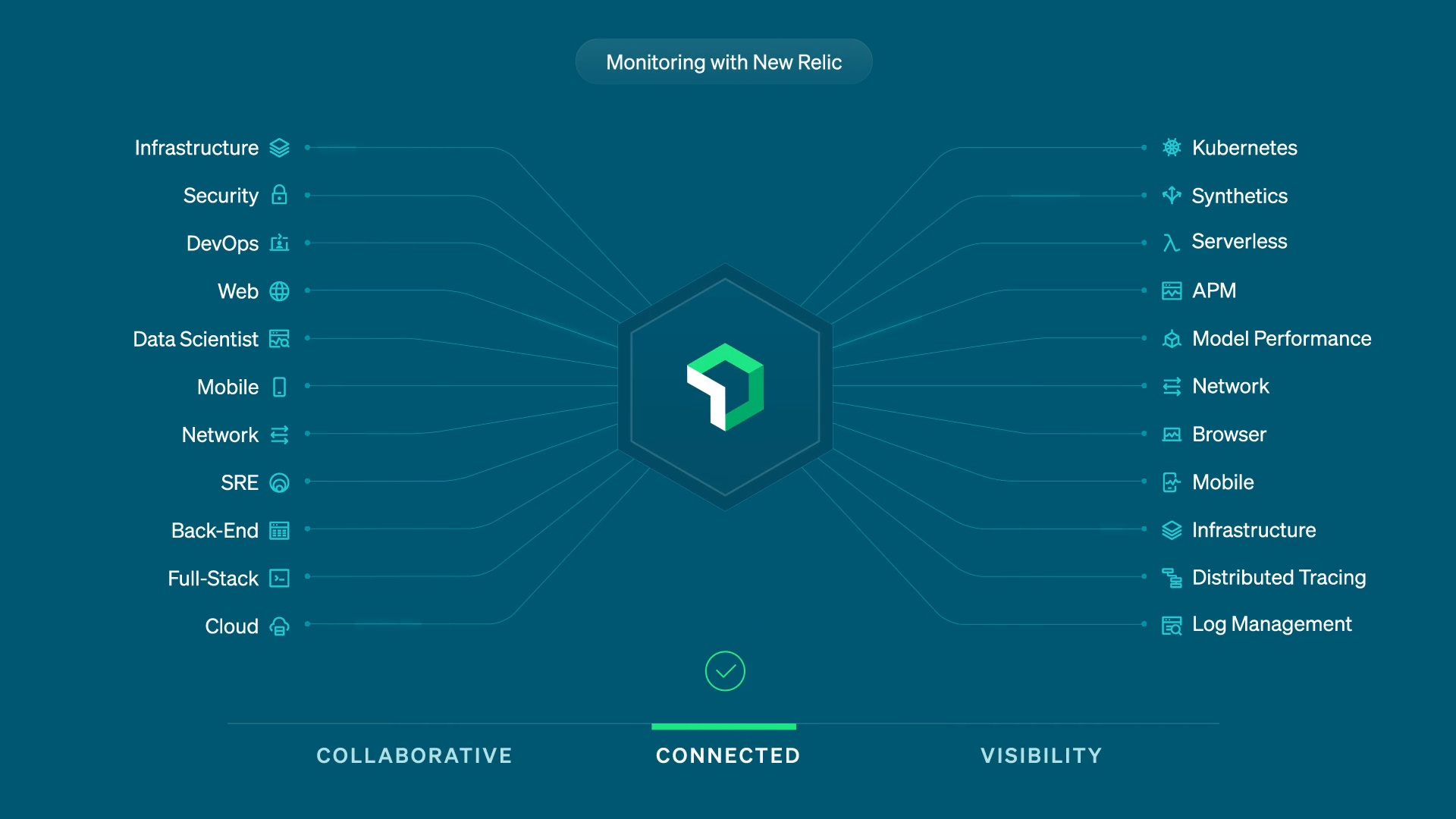
Credit: newrelic.com

Credit: webflow.com
Frequently Asked Questions
What Is The Best Hosting For Full Stack Web Development?
The best hosting for full stack web development includes platforms like AWS, Heroku, and DigitalOcean. They offer scalability, flexibility, and robust support. Consider your project needs and budget for the ideal choice. Cloud hosting often provides reliability and performance for diverse web applications.
What Is A Cloud Full Stack?
A cloud full stack refers to the complete set of cloud-based technologies, tools, and services used for developing and managing applications. It includes front-end and back-end technologies, databases, and cloud infrastructure. Developers use it to build, deploy, and scale applications efficiently.
Which Cloud Platform Is Commonly Used By Full Stack Developers For Deployment And Hosting?
Full stack developers commonly use AWS, Google Cloud Platform, and Microsoft Azure for deployment and hosting. These platforms offer scalability, flexibility, and a range of services tailored for developers. They support various programming languages and frameworks, making them versatile choices for full stack projects.
How To Host A Mean Stack Website?
To host a MEAN stack website, set up a server with Node. js and MongoDB. Deploy your application using Git or a similar tool. Use a hosting service like AWS or DigitalOcean. Configure your domain and SSL certificate. Ensure your server is secure and optimized for performance.
Conclusion
Hosting a full stack web application on the cloud is straightforward. Start by selecting a reliable cloud service provider. Set up necessary configurations for your application. Test your deployment to ensure everything works smoothly. Monitor performance regularly to catch any issues early.
Keep your software updated for security and efficiency. With cloud hosting, scaling your app becomes easy. Enjoy the benefits of flexibility and cost-effectiveness. Hosting on the cloud supports growth and innovation. Now, your web application is ready to serve users efficiently.
Embrace this solution to enhance your digital presence.


