
Are you struggling with how to charge your clients for web hosting services? You’re not alone.
Navigating the complexities of pricing can be daunting, but it’s a crucial aspect of running a successful web design or development business. Imagine transforming your client interactions from awkward pricing conversations into confident, value-driven discussions. The secret lies in understanding how to set the right price and communicate it effectively.
By the end of this article, you’ll gain the insights you need to confidently structure your pricing model, ensuring you capture the true value of your web hosting services while keeping your clients happy. Dive in, and discover how you can master this essential business skill today!
Credit: www.ryrob.com
Understanding Client Needs
Small businesses need simple web hosting. Large companies need more features. Secure hosting is important for all. Scalability matters for growing businesses. Budget-friendly options are ideal for startups. Businesses need to store data safely. Fast-loading sites help keep visitors. Every client wants reliable support.
Web hosting needs space for data. Bandwidth affects site speed. Server type matters for performance. SSL certificates keep data safe. Backups protect against loss. Email hosting is useful for businesses. Control panels make management easy. Uptime guarantees ensure site availability. Choose features based on client needs. Technical details must be clear.

Credit: www.waveapps.com
Pricing Models
Flat rate pricing means charging a fixed amount each month. Clients know what to expect. This method is simple and easy to understand. No surprises or hidden fees. Great for small websites with steady traffic. Keep it clear and fair. Everyone likes predictability.
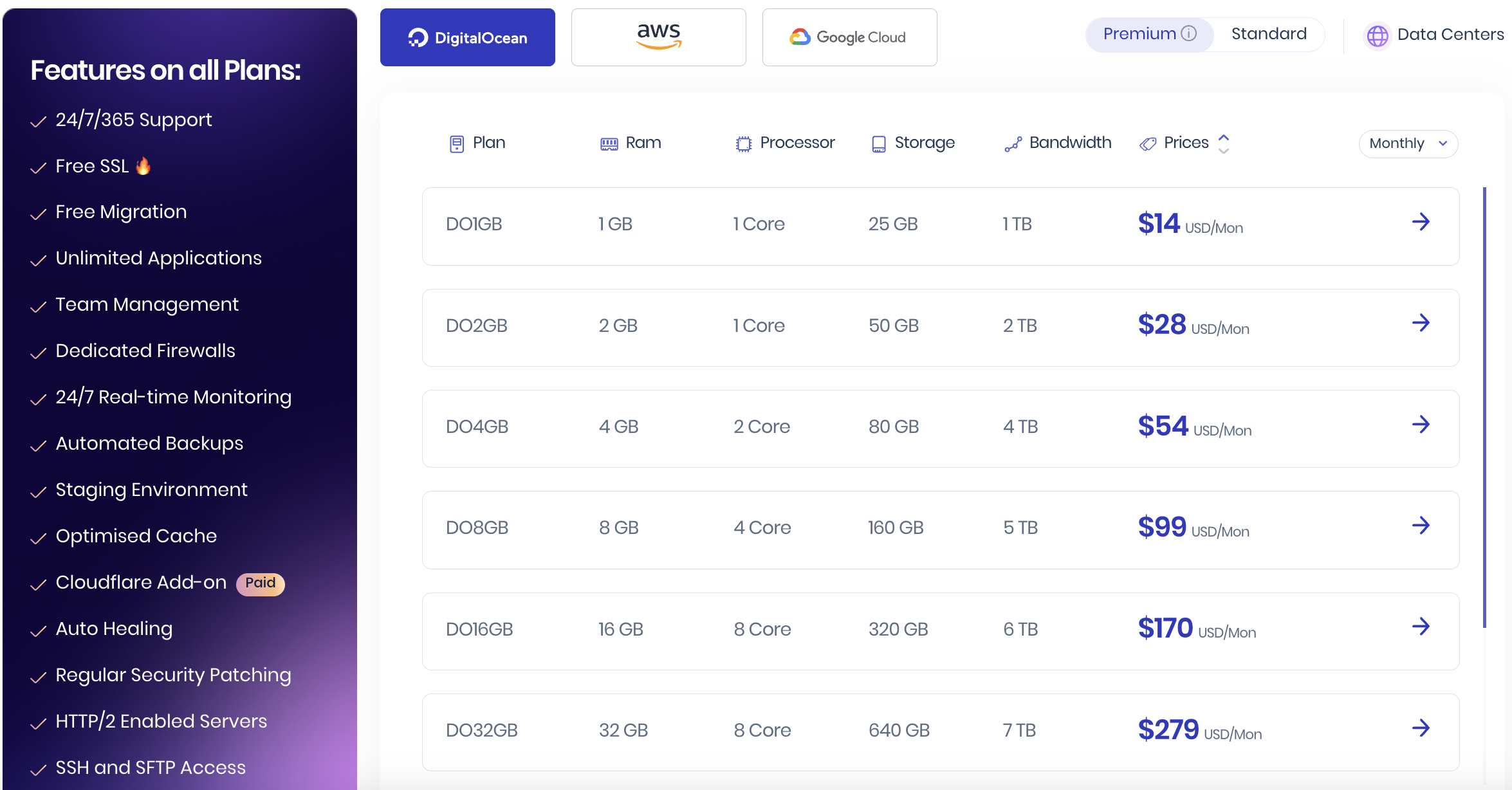
Tiered pricing offers different levels. Each level has its own cost. More features mean a higher price. Clients can choose what suits them best. This allows for flexibility. Clients pay for what they need. They can upgrade or downgrade as needed. It’s a smart way to cater to different needs.
Usage-based pricing charges by how much clients use. Costs vary each month. More usage means more cost. This method works well for large sites. Clients pay for the resources they use. It’s fair and can save money. If usage is low, costs are low too. It encourages efficient resource use.
Cost Factors
Servers help run websites. They are computers with special jobs. Good servers have a higher price. But they work faster. This means websites load quickly. Slow servers can make sites lag. Clients may not like this. Upgraded servers cost more. But they give better performance.
Keeping servers healthy is important. Machines need care and updates. This is called maintenance. It prevents errors. Bad servers can crash websites. Maintenance fees cover repairs. They also cover software updates. These keep servers secure and efficient.
Security keeps websites safe. Hackers try to break in. Strong security stops them. Security tools have a price. But they protect client data. Clients feel safe with good security. SSL certificates are one tool. They encrypt data. This means information stays private.
Competitive Analysis
Charging the right price is important. It’s good to know what others charge. Most businesses set their rates based on what others do. It helps to stay competitive. Check prices from different companies. Some companies charge more. Others might charge less. Look for what is common. This will help in setting a fair price.
Services differ from one company to another. Some companies offer extra features. Others focus on basic services. Compare what you offer with others. Make sure your services meet client needs. Highlight what makes your service special. This helps clients see the value in your offer. It also helps in setting the right price.
Value-added Services
SEO Optimization helps websites rank higher. Better ranking brings more visitors. More visitors can mean more sales. Offer clients a basic SEO package. It includes keyword research and on-page optimization. Explain how SEO improves their visibility online. Highlight that good SEO can boost their business.
Clients want 24/7 Support for peace of mind. Provide round-the-clock help. Fast response times make clients happy. Support can be through chat, email, or phone. Offer solutions for common problems. Ensure clients feel valued and cared for.
Backup Solutions protect client data. Regular backups prevent data loss. Discuss the importance of data safety. Offer daily or weekly backups. Explain how backups can save time and money. Ensure clients understand the value of secure data.
Contract And Agreement
It’s important to have clear terms with clients. Make sure they know what they are paying for. Explain the services you offer. Include any limitations or restrictions. This way, there are no surprises.
Clients should know about your renewal policies. Tell them when their services will renew. Include how much they will pay. If prices change, inform them early. This keeps everything transparent and trustworthy.
Invoicing And Payment
Charging clients for web hosting involves sending clear invoices and offering multiple payment options. Set transparent pricing and detailed billing. Ensure clients understand services and costs.
Billing Cycles
Decide on a billing cycle for your clients. Some prefer monthly billing. Others like quarterly or yearly payments. Explain the benefits of each cycle. Clients can choose what suits them best. This makes it easy for them to plan. Always remind them before a new cycle starts. This prevents missed payments.
Payment Methods
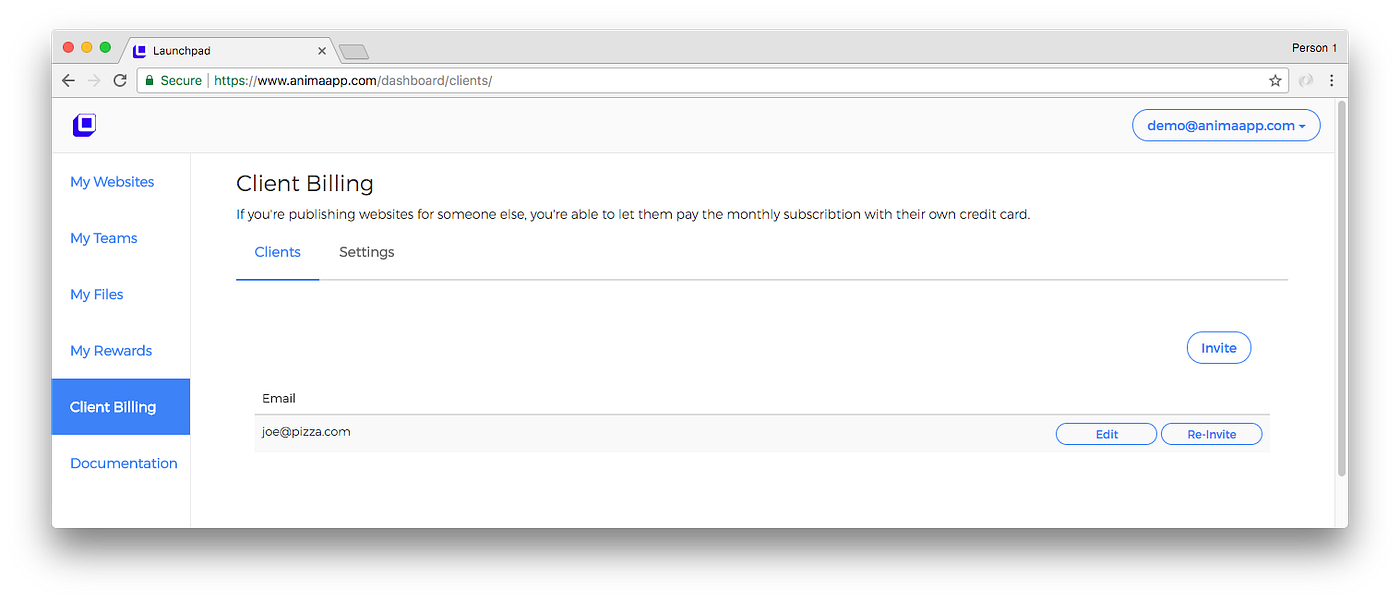
Offer several payment methods to clients. Credit cards are popular. Bank transfers work for some. Digital wallets are fast and easy. Clients appreciate having options. Make sure each method is secure. This builds trust with your clients. Clear instructions help them pay on time. Easy payments mean happy clients.
Credit: medium.com
Client Communication
Keeping clients informed is important. Share regular updates about their web hosting. Tell them about any changes or improvements. Updates can be sent through emails or messages. Clients appreciate knowing what’s happening. This builds trust and keeps them happy.
Feedback helps improve services. Ask clients for their opinions. Use simple surveys or questionnaires. Clients feel valued when asked for feedback. Make sure feedback is easy to give. Use this information to improve services. Happy clients mean better business.
Scaling Services
Clients need more space as their websites grow. Offer larger hosting plans. More storage and faster speeds help with growth. Create tiered plans. Each tier offers more resources. Make sure clients know the benefits. Explain why they might need to upgrade. Offer discounts for early upgrades. This can encourage clients to scale up.
High traffic can slow down websites. Provide load balancing to manage traffic. This keeps websites fast. Offer CDN services for global visitors. A CDN helps speed up content delivery. Explain the importance of uptime guarantees. Clients want their sites online all the time. Suggest options to handle spikes in traffic. This keeps clients happy and their sites running smoothly.
Legal Considerations
Charging clients for web hosting requires following rules. Compliance is essential to avoid trouble. Data protection laws are important. These laws keep client data safe. Follow these rules strictly. They protect privacy of clients.
Laws vary by country. Know the rules in your area. GDPR is a famous rule in Europe. COPPA protects kids’ information in the USA. Learn these laws. It ensures you charge clients legally. Use clear terms in contracts. Explain how you protect data. Clients need to trust your service.
Frequently Asked Questions
How Much Should I Charge For Hosting A Website?
Pricing for website hosting varies widely. Consider factors like server type, bandwidth, and storage needs. Shared hosting can start at $2. 99/month, while dedicated servers may cost $100/month or more. Research competitors and adjust prices based on features and support.
Offer competitive yet profitable rates to attract customers.
How Much Should I Pay Someone To Run My Website?
Website management costs range from $100 to $500 monthly. Costs depend on website complexity and required services. Consider technical support, content updates, and hosting fees.
How To Sell A Web Hosting Service?
Highlight competitive pricing and features. Provide excellent customer support. Offer free trials or money-back guarantees. Utilize targeted advertising and social media marketing. Create informative content like blogs and tutorials. Collaborate with influencers and affiliate partners. Optimize your website for search engines to improve visibility and attract potential customers.
How Much Should I Charge To Build A Website For A Client?
Website building costs vary based on complexity, experience, and location. Freelancers often charge $500 to $5,000. Consider project requirements, your skills, and market rates. Competitive pricing attracts clients, while higher fees reflect expertise. Always customize quotes to match the client’s needs.
Research industry standards to stay competitive and ensure fair compensation.
Conclusion
Charging clients for web hosting? Important for your business growth. First, understand your costs. Then, set clear pricing. Communicate this to clients. Transparency builds trust. Offer flexible plans. Clients appreciate choices. Remember, customer service matters. Be available for questions. Respond quickly.
This enhances client satisfaction. Happy clients stay loyal. Loyalty means steady income. Review your pricing regularly. Adapt to market changes. Stay competitive. Competitive pricing attracts new clients. Keep learning. Stay updated with hosting trends. Trends influence pricing strategies. Right pricing strategy ensures success.
Success brings more opportunities. Opportunities lead to growth. Growth is the goal.


