
Are you ready to take control of your web hosting needs? Buying a server for web hosting isn’t just a purchase; it’s an investment in your online presence.
With the right server, you can ensure your website is fast, reliable, and secure. Imagine the freedom of customizing your hosting environment to suit your unique requirements. But with so many options out there, how do you choose the perfect server for your needs?
This guide will walk you through the essential steps to make an informed decision. Whether you’re launching a new site or upgrading your existing setup, understanding the ins and outs of server selection will empower you to make the best choice. Get ready to transform your web hosting experience!
Types Of Servers
Dedicated servers are powerful. You get the whole server. No sharing with others. This means better performance. Security is strong. You have full control. But they cost more. Think carefully before buying.
Virtual Private Servers (VPS) are special. You share, but not too much. VPS is cheaper than dedicated servers. Performance is good. You get control too. They are good for medium websites.
Cloud servers are modern. They use the internet. You can scale them easily. Cloud offers flexibility. Pay for what you use. Costs vary. They are good for growing sites.
Shared hosting is basic. Many users on one server. Costs are very low. Performance can drop. You get less control. Best for small sites. Startups choose this often.
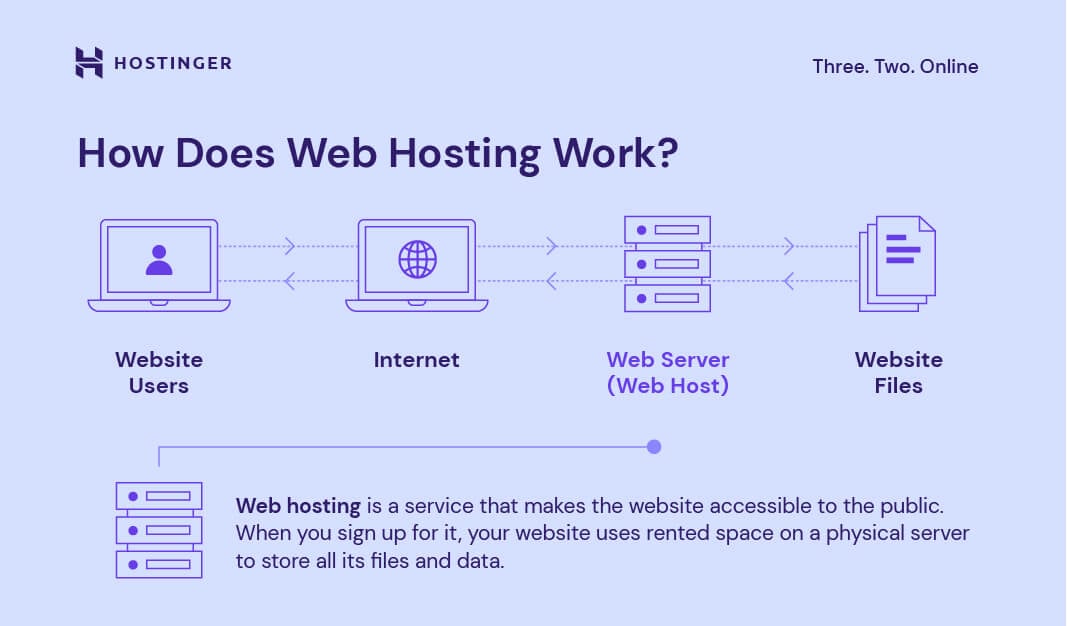
Credit: www.hostinger.com
Key Specifications
The CPU is the brain of your server. It handles all tasks. Look for a multi-core processor. More cores mean better performance. Faster processing speeds help too. Choose based on your website’s needs. For simple sites, a basic CPU works. Complex sites need more power.
RAM is the memory for your server. It helps with speed. More RAM makes your site run smoother. For small sites, 4GB is often enough. Larger sites might need 8GB or more. Always consider future needs. Extra RAM can help as traffic grows.
Storage is where your data lives. Choose between HDD and SSD. HDDs are cheaper but slower. SSDs are faster but cost more. For faster load times, pick SSD. Decide based on your budget and needs. Ensure enough space for files and growth.
Bandwidth affects how much data moves to users. More bandwidth means more visitors at once. Low bandwidth can slow your site. Check monthly limits. Choose higher if your site is busy. Unlimited options can be best for large sites. Make sure it’s enough for your plans.
Operating System Choices
Linux is open-source and free to use. It’s very popular for hosting. It supports PHP, MySQL, and Python. Many developers love it. Windows is different. It needs a license. It works best with ASP.NET and MSSQL. Choose based on your needs.
Check if the server works with your software. Some apps need specific systems. Make sure your system supports them. This avoids future problems. Compatibility is key for smooth operation.
Security is crucial for servers. Look for firewalls and encryption. These protect your data. Regular updates are also important. They fix security holes. Choose a system that offers these features.
Server Reliability
Uptime is important. Servers must work all the time. Companies offer uptime guarantees. Look for at least 99.9% uptime. Less downtime means happy users. Always check reviews. People talk about real uptime. Trust the reviews. They help a lot.
Redundancy keeps servers safe. Backup systems are important. If one fails, another works. Load balancers help too. They share tasks among servers. Power supplies must be strong. With these, websites run smoothly. No interruptions. Users stay happy and engaged.
Backups protect data. Daily backups are best. They save the newest data. Off-site backups are safer. They store data far away. In case of problems, data stays safe. Cloud backups are popular. Easy to access. Easy to use. They offer peace of mind.
Scalability Options
Servers need room to grow. Hardware upgrades help servers handle more work. Adding more RAM or a faster CPU makes them stronger. This helps servers stay fast. Old servers can slow down your website. Regular upgrades keep things smooth. It’s like giving a car new tires. It helps the server go faster and work better.
Software must be easy to change. Different tasks need different tools. Flexible software lets you add new features. This keeps your server up to date. It’s like having a toolbox with many tools. You can fix or build anything. Good software helps your server learn new tricks.
Think about tomorrow. Future growth planning means planning for more visitors. Servers should handle busy days. Like planning for a big party. Enough food and drinks for everyone. Plan for more space, power, and speed. This helps your website stay strong and ready.
Security Measures
A firewall is like a guard for your server. It keeps bad people out. Firewalls stop hackers from getting in. They block unwanted traffic. Setting up a good firewall is very important. It keeps your data safe. Firewalls protect your website from harm. They are like a digital shield.
DDoS attacks can crash your server. They send too much traffic. Servers can stop working. You need DDoS protection. It helps the server handle traffic. Special tools can block bad traffic. This keeps your website online. DDoS mitigation is like a traffic cop. It keeps things running smoothly.
Data encryption turns information into secret codes. It keeps your data safe. Only the right key can unlock it. Encryption protects sensitive information. It keeps passwords and credit cards safe. Without it, data can be stolen. Encryption is like a secret language. It keeps your data private.
Cost Considerations
Initial investment is important when buying a server. Servers can be expensive. You might need to buy extra parts. This can add to the cost. Look for discounts or deals. They can help save money.
Ongoing expenses can include electricity and maintenance. These costs can add up. It is important to plan for them. You might need to hire someone to help. This can also cost money.
Hidden fees can be tricky. Some companies charge for extra services. Always read the fine print. Make sure you know all the costs. This will help avoid surprises later.
Support And Maintenance
Good technical support is very important. Servers can have issues at any time. A team available 24/7 can help solve problems quickly. This support can save your site from downtime. Fast help is key for a smooth-running website.
Some people like to manage their own servers. This is called self-management. It gives control but needs knowledge. Managed services help those who need support. Experts take care of everything. This option is easy for beginners.
Troubleshooting resources are like guides. They help fix server problems. Look for guides, FAQs, and help forums. These can be very useful when you face an issue. The more resources, the better prepared you are.
Vendor Reputation
Customer reviews show if a vendor is trustworthy. Happy customers write good reviews. They share their experiences. They tell if the server is reliable. Bad reviews mean problems. Maybe slow speed or poor support. Read many reviews. This helps in making a good choice.
A vendor with industry experience knows the needs of web hosting. They have seen many changes. They adapt to new technologies. Their servers are often reliable. They have learned what works best. Experienced vendors often have good solutions. This makes them a safe choice.
Some vendors offer partnership opportunities. You can work together. Get special deals or support. Partnerships may bring discounts. They might offer better servers. Sometimes, there are training sessions. This helps you learn more about servers. Partnerships can be beneficial.
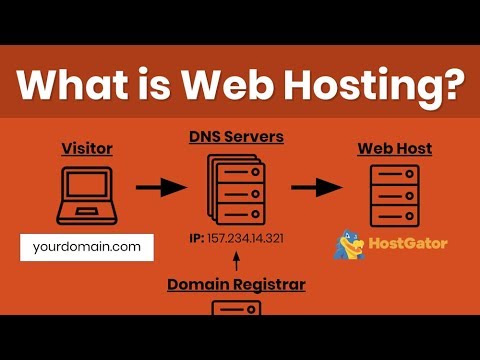
Credit: www.youtube.com

Credit: www.minddevelopmentanddesign.com
Frequently Asked Questions
Can I Buy My Own Server To Host My Website?
Yes, you can buy your own server to host your website. Owning a server gives you full control. Ensure you have technical skills to manage it. Consider costs for hardware, software, and maintenance. For most people, using a hosting provider is easier and more cost-effective.
How Much Does It Cost To Buy A Server For A Website?
Buying a server for a website costs between $100 and $10,000, depending on specifications and features. Consider hardware, storage, bandwidth, and support requirements. Cloud servers often have monthly fees, while dedicated servers have upfront costs. Prices vary based on performance needs and hosting provider.
How Do I Get My Own Web Server?
Choose a reliable hosting provider. Purchase a plan that suits your needs. Install necessary software and configure settings. Ensure security measures are in place. Regularly update and maintain your web server.
Which Server Is Best For Web Hosting?
The best server for web hosting depends on your needs. For shared hosting, consider Bluehost. For VPS, HostGator is reliable. For dedicated hosting, Liquid Web is excellent. Cloud hosting options like AWS and Google Cloud offer scalability. Evaluate your requirements and budget before choosing a server.
Conclusion
Choosing the right server for web hosting doesn’t have to be hard. Focus on your needs. Consider budget, performance, and scalability. These factors guide your decision. Research different server types and brands. Compare them carefully. Always check reviews and ratings.
They offer real user experiences. Remember, a reliable server ensures smooth website operations. It supports growth and success online. Make an informed choice. Your website’s future depends on it. Happy hosting!


