
Are you wondering how much to charge your clients for web hosting? It’s a crucial question that can significantly impact your business profitability.
Setting the right price is not just about covering costs; it’s about understanding your value, your clients’ needs, and the market landscape. You might be asking yourself if your prices are too high, too low, or just right. The truth is, many factors come into play, and striking the perfect balance can seem daunting.
But don’t worry—by the end of this article, you’ll be equipped with the knowledge to confidently set your web hosting prices, ensuring you maximize your earnings while keeping your clients happy. Ready to unlock the secrets of pricing strategy? Let’s dive in.
Factors Influencing Pricing
Many companies offer web hosting. Prices can vary a lot. Some companies charge low prices to attract more clients. Others may charge high for premium services. It’s important to research what others charge. Check their features and customer reviews. Set your price based on these factors.
Technical specs are important in pricing. More storage and bandwidth can mean higher prices. Security features also add value. Clients often pay more for reliable and fast servers. Decide on the specs you offer. Match the price to the quality of service.
Good support can increase your price. Clients prefer hosts with 24/7 support. Quick response times are a big plus. Offering multiple channels like chat, email, and phone is beneficial. Clients value support and are willing to pay more for it.
Types Of Hosting Services
Shared hosting is a budget-friendly option. Many websites share one server. Costs are low because resources are shared. Good for small sites. Not ideal for heavy traffic. Limited control over settings.
Dedicated hosting means a whole server for one site. More control and security. Costs are high. Best for large sites with many visitors. Requires technical knowledge. Offers customization options.
Cloud hosting uses multiple servers. It is flexible and scalable. Pay for what you use. Good for growing sites. Handles traffic spikes well. Reliable performance. Can be complex to manage.
VPS stands for Virtual Private Server. It is like a mix of shared and dedicated hosting. Offers more control than shared hosting. Cheaper than dedicated hosting. Good for medium sites. Isolated environment. Stable performance.
Pricing Models
A flat rate means one price for all. Clients like this because it’s simple. You decide the price once. Then, the client pays the same amount every month. It is easy to manage. No surprises for the client. Many small businesses choose this model. They can plan their budget better. It’s a good option for predictable costs.
With tiered pricing, there are different levels. Each level has a different price. More features mean a higher price. Clients can pick what they need. They pay only for those features. This is flexible. It works for different budgets. A client can start low. They can upgrade as they grow.
Usage-based pricing depends on how much a client uses. The more they use, the more they pay. This is fair for everyone. It suits clients who use services a lot. Clients pay for what they consume. This model can be complex. It’s important to track usage well.
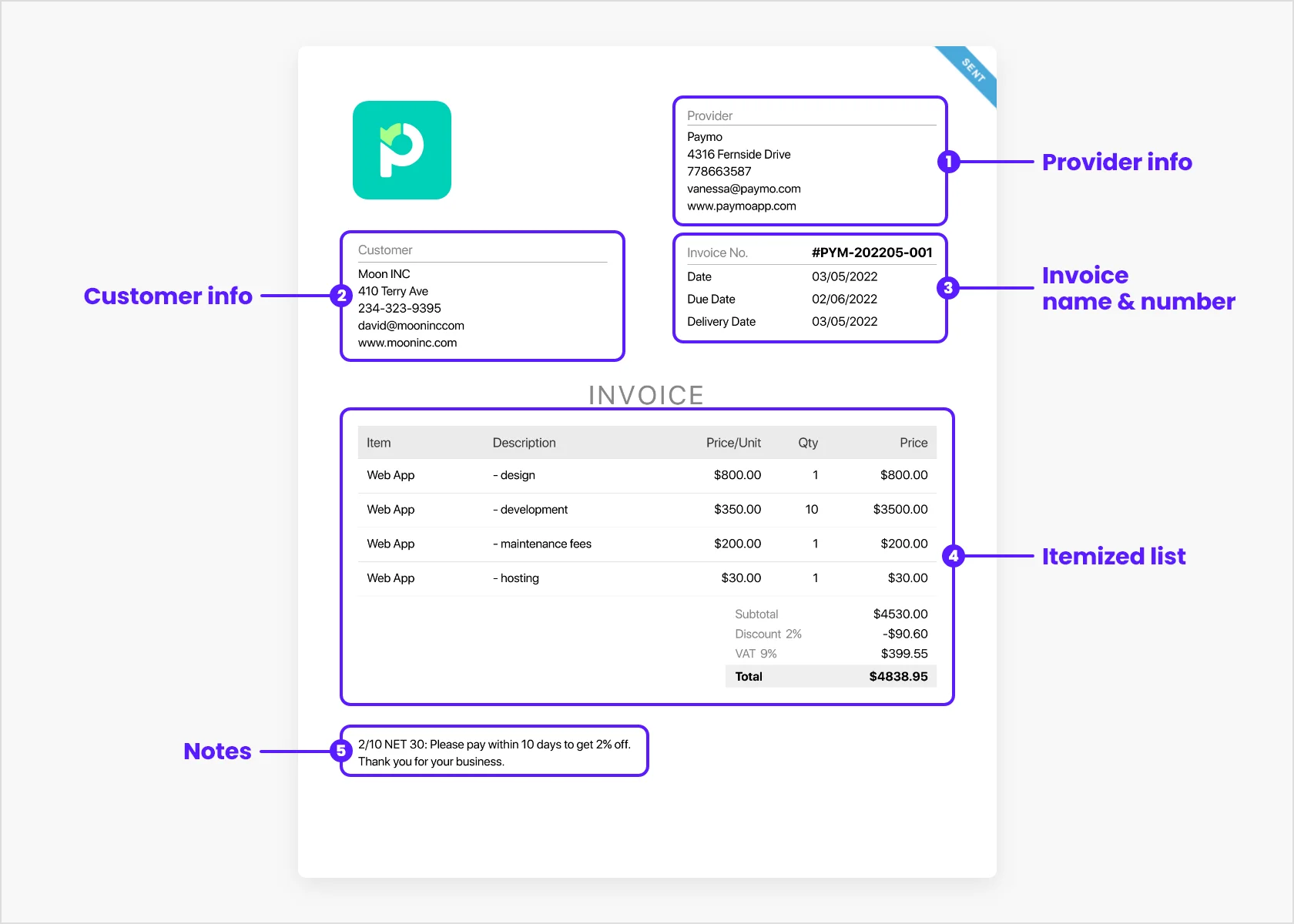
Credit: www.paymoapp.com
Analyzing Costs And Profits
Running a web hosting service costs money. You need servers, software, and electricity. Servers help store websites. Software helps manage them. Electricity keeps them running. Internet bandwidth is also necessary. It helps send data quickly. All these are essential costs. They make your service work smoothly.
Charging clients is important. It helps cover costs and earn profits. You need a balance between low prices and good service. Low prices attract clients. Good service keeps them happy. Both are important for business growth. Think about how much profit you need. This will guide your pricing.
More clients mean more servers. More servers need more money. This is scalability. It means growing your business. Plan for future growth. Add more resources as needed. This helps handle more clients. Ensure your service stays reliable. Clients prefer reliable services. It’s key to your success.
Competitive Analysis
Determining web hosting fees involves examining competitor pricing strategies. Consider features offered, storage limits, and customer support. Analyze market trends to set competitive rates that appeal to clients.
Benchmarking Competitors
Check what others charge for web hosting. Look for big names. They set the standard. Compare their prices with yours. See what they offer. Make a list of their features. Note the extra services they give. Analyze their support options. Compare their price packages. Look at customer reviews. Understand why customers choose them. Find gaps in their services. This helps you decide your price.
Unique Selling Propositions
Identify what makes your service special. Offer something others don’t have. This can be better support. Or faster service. Maybe unique tools. Highlight these benefits. Make sure clients see them. Differentiate from competitors. This is your selling point. Make it clear why clients should choose you.
Creating Value For Clients
Offering bundled services can increase your value. Clients like having everything in one place. You can include web design, maintenance, and hosting together. This makes it easier for them. They don’t need to find different services. It also helps you charge more. Clients see the value in packages. They are often willing to pay extra for convenience.
Tailored solutions mean you fit the service to the client. Each client has different needs. Learn what they want and need. Offer a custom package that suits them best. This can include special features like security or speed. Clients feel special when services are made just for them. This builds trust and can let you set higher prices.
Marketing And Positioning
Knowing your target audience is key. Who will use your service? Are they small businesses or large companies? Each group has different needs. Small businesses may want simple and cheap plans. Large companies may need more complex services. Think about their budget. Can they pay more for better services?
Branding is about how people see your service. A strong brand makes you stand out. Use simple logos and catchy names. Your website should look clean and easy to use. Show what makes your hosting special. Is it fast or safe? Tell your clients why they should choose you. Make them trust your brand. Answer their questions quickly. Good branding builds trust and attracts more clients.

Credit: www.facebook.com
Legal And Regulatory Considerations
Contract terms are very important in web hosting. They set the rules for you and your clients. Always make sure the terms are clear. Clients should know what they pay for. Explain services and fees. Write down renewal periods. Mention cancellation policies. Penalties should be fair and clear.
Data protection laws keep client information safe. Always follow these laws. Protect your client’s data. This builds trust. Inform clients about data use. Explain how you store data. Tell them who can see it. Clients need to feel secure. Make sure your web hosting services respect their privacy.
Credit: www.reddit.com
Frequently Asked Questions
How Much Should I Charge For Hosting A Website?
Charge based on features, storage, bandwidth, and support offered. Typical pricing ranges from $5 to $30 per month. Consider competitor rates and your costs. Adjust pricing for premium options like SSL certificates or dedicated servers. Ensure affordability and value for clients while maintaining profitability.
How Do I Know How Much To Charge A Client?
Research industry rates and evaluate your experience. Consider project scope, time, and value. Calculate cost and profit margin. Use online calculators or consult peers. Adjust pricing based on client budget and negotiation.
How Much Should I Pay Someone To Run My Website?
Website management costs vary widely, typically ranging from $50 to $500 monthly. Factors include website complexity, required services, and expertise. Simple sites may cost less, while e-commerce or high-traffic sites need more investment. Always compare quotes and ensure clear deliverables for the best value.
How Much Should I Charge To Build A Website For A Client?
Charge between $500 and $5,000 for a website, depending on complexity and features. Consider factors like design, functionality, and client budget. Research competitors’ pricing and align with industry standards. Ensure your skills and experience reflect your pricing for fair compensation.
Adjust rates for custom requests or ongoing support.
Conclusion
Finding the right price for web hosting is essential. It impacts your business growth and client satisfaction. Balance quality and cost to ensure value. Clients appreciate transparent pricing and reliable service. Consider your expenses, market rates, and client needs. This helps set competitive prices.
Adjust prices as your business evolves. Stay informed about industry trends. This keeps you ahead in the market. Always aim for fair pricing and excellent service. This builds lasting client relationships. Charging correctly boosts your reputation and revenue. Remember, your pricing reflects your brand value.
Choose wisely for sustainable success.


