Are you ready to share your ideas, stories, or expertise with the world? Creating a WordPress blog is one of the easiest and most powerful ways to do just that.
You don’t need to be a tech expert or spend hours learning complicated tools. With the right steps, you can have your blog up and running in no time. In this guide, you’ll discover exactly how to make a WordPress blog that looks great and attracts readers.
Keep reading, and you’ll be surprised at how simple it can be to start your own online space today.
Choosing A Domain Name
Choosing a domain name is one of the first steps to start your WordPress blog. This name will be your website’s address on the internet. It helps people find your blog easily. A good domain name is simple, clear, and fits your blog’s topic. It also creates a strong first impression for your visitors.
Think about your blog’s main theme. Pick a name that matches your content. Avoid long or hard-to-spell words. A short and catchy domain name is easier to remember. Use keywords related to your blog to help with search engines. This boosts your blog’s visibility online.
Tips For Picking A Good Domain
- Keep it short and simple. Avoid complicated words.
- Use keywords that describe your blog’s topic.
- Choose a name easy to spell and pronounce.
- Avoid numbers or hyphens; they cause confusion.
- Pick a domain ending like .com or .net for trust.
- Check if the name is unique and not trademarked.
Where To Register Your Domain
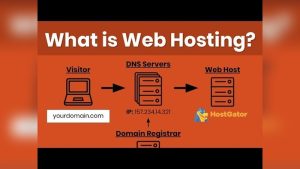
Register your domain with a trusted domain registrar. These companies sell domain names and manage ownership. Popular registrars include GoDaddy, Namecheap, and Google Domains. Compare prices and services before buying. Some web hosts offer free domain registration with hosting plans.
Make sure your registrar has good customer support. You may need help setting up or renewing your domain. Register your domain for at least one year to secure it. Remember to renew on time to keep your blog online.
Credit: www.elegantthemes.com
Selecting A Hosting Provider
Selecting a hosting provider is a key step in starting your WordPress blog. The hosting service stores your website files and makes your blog visible online. Choosing the right host affects your blog’s speed, security, and uptime. It also impacts your budget and how easy it is to manage your site. Spend time understanding your options before making a choice.
Types Of Hosting Options
Shared hosting is common and affordable. Many websites share the same server resources. This option suits beginners and small blogs. It may slow down if traffic grows fast.
VPS hosting offers more power. You get a virtual server with dedicated resources. It is good for medium-sized blogs with steady traffic. You pay more than shared hosting.
Dedicated hosting means renting a whole server. You control everything and get maximum speed. This fits large blogs or businesses. It costs the most and needs technical skills.
Managed WordPress hosting is tailored for WordPress sites. The host takes care of updates and security. It saves time but may cost more than shared hosting.
Recommended Hosting Services
Bluehost is popular for WordPress beginners. It offers easy setup and good customer support. Plans start low and include a free domain for one year.
SiteGround is known for fast speed and strong security. It has managed WordPress features and helpful support. Suitable for blogs expecting steady growth.
HostGator provides affordable shared and VPS hosting. It has one-click WordPress installs and 24/7 support. Ideal for budget-conscious users.
WP Engine focuses on managed WordPress hosting. It offers excellent performance and automatic backups. Best for users wanting hands-off management.
Installing WordPress
Configuring basic settings is the first step after installing WordPress. These settings control how your site looks and functions. Taking time here helps create a smooth experience for visitors. It also improves your blog’s visibility on search engines.
Setting Site Title And Tagline
The site title is your blog’s name. It shows in browsers and search results. Choose a clear and simple title. The tagline is a short phrase describing your blog. It appears below the title in some themes. Make it catchy but easy to understand. You can set both under Settings > General in your WordPress dashboard.
Adjusting Permalinks
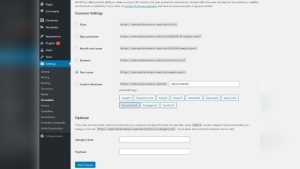
Permalinks are the URLs for your posts and pages. Good permalinks help search engines and readers know what your pages are about. Use the “Post name” option for clean, descriptive URLs. Change this setting in Settings > Permalinks. Avoid using default links with numbers or dates. Simple URLs look professional and improve SEO.

Credit: www.youtube.com
Configuring Basic Settings
Choosing a theme is one of the first steps to build a WordPress blog. The theme controls how your blog looks. It affects colors, fonts, and layout. A good theme helps your blog look clean and professional. It also makes your blog easier to use. Many themes are available for WordPress, so picking the right one is important. The right theme fits your blog’s style and purpose. It should work well on phones and computers. Let’s explore the differences between free and premium themes. Then, learn how to install and customize your chosen theme.
Free Vs. Premium Themes
Free themes are easy to find and use. WordPress offers many free themes in its directory. These themes are good for beginners. They provide basic design and features. Free themes get updates but less often. Support may be limited to forums or community help.
Premium themes cost money but offer more options. They have advanced features and unique designs. Premium themes usually include regular updates and support. Some come with built-in tools for SEO and speed. They often allow easier customization. Choose premium themes if you want more control and better design.
Installing And Customizing Themes
To install a theme, go to your WordPress dashboard. Click on “Appearance,” then “Themes.” Click “Add New” to search for themes. For free themes, select one and click “Install.” For premium themes, upload the theme file.
After installation, activate the theme. Customize it by clicking “Customize” under “Appearance.” Change colors, fonts, and layout here. Use the live preview to see changes. Add your logo and adjust menus. Customize widgets to add extra features.
Good customization makes your blog unique. It helps visitors enjoy your content. Spend time to make your blog look just right.
Choosing A Theme
Adding plugins to your WordPress blog brings new features and improves its performance. Plugins help you customize your site without coding. They make your blog safer, faster, and easier to manage.
Choosing the right plugins is important. The right set can enhance your blog’s usability and visitor experience. Start with essential plugins that every beginner needs.
Must-have Plugins For Beginners
Security is key. Use a plugin like Wordfence or Sucuri to protect your blog.
SEO plugins help your blog appear in search results. Try Yoast SEO or All in One SEO.
Backup plugins keep your data safe. UpdraftPlus is a popular choice.
Speed matters. Use caching plugins like W3 Total Cache or WP Super Cache.
Contact form plugins let visitors reach you easily. WPForms is simple and effective.
How To Install Plugins
Log in to your WordPress dashboard. Go to the Plugins menu and click Add New.
Use the search bar to find the plugin you want. Type its name or function.
Click Install Now next to the plugin. Wait a few seconds for the process.
After installation, click Activate to enable the plugin on your blog.
Check the plugin settings to customize it. Each plugin has its own options.
Adding Essential Plugins
Creating your first blog post is an exciting step in building your WordPress blog. This process lets you share your ideas and stories with readers. WordPress offers tools that make writing and editing simple. You can focus on your content without worrying about complex settings.
Starting a new post involves adding text, images, and other media. These elements make your post interesting and easy to read. WordPress uses a block editor that organizes content into blocks. Each block can hold a paragraph, image, video, or other content types.
Using The Block Editor
The block editor divides your post into small, manageable blocks. Each block can be edited separately. This lets you move, add, or delete parts easily. Click the plus (+) button to add a new block. Choose from text, headings, lists, quotes, or other block types.
Write your text directly into the blocks. Use simple words and short sentences. This improves readability for all visitors. You can also format text by making it bold or italic. Headings help organize your post into sections.
Adding Images And Media
Images and media make your post more engaging. To add an image, click the plus (+) button and select the image block. Upload a picture from your computer or choose one from the media library. Add a clear, short description to your image using the alt text field. This helps with SEO and accessibility.
You can also add videos, audio, or galleries using other media blocks. Media breaks up long text and keeps readers interested. Arrange your media blocks between paragraphs for better flow.
Creating Your First Blog Post
Optimizing your WordPress blog for SEO helps more people find your content. It improves your site’s visibility on search engines. This means more visitors and better chances to share your ideas.
SEO is not just about keywords. It includes site speed, mobile friendliness, and good structure. A well-optimized blog ranks higher and attracts steady traffic.
Basic Seo Practices
Choose clear, simple titles that include your main keywords. Use headings to organize your content and make it easy to read. Write short sentences and paragraphs for better understanding.
Optimize your images by using small file sizes and descriptive alt text. Make sure your URLs are clean and include keywords. Add meta descriptions to summarize each post clearly.
Keep your website fast and mobile-friendly. These factors affect how search engines rank your blog. Use internal links to connect related posts and keep visitors on your site longer.
Using Seo Plugins
SEO plugins help manage many SEO tasks automatically. Popular plugins like Yoast SEO or Rank Math guide you to improve your posts. They check keyword use, readability, and metadata.
These tools also create sitemaps, which help search engines index your site. They can control which pages to show in search results. Using a plugin simplifies SEO, especially for beginners.
Set up your chosen plugin carefully and follow its advice. Regularly update it to keep your blog secure and optimized. Plugins save time and improve SEO without extra effort.
Optimizing For Seo
Promoting your WordPress blog is key to gaining readers and growing your audience. Without promotion, your posts may stay hidden. Focus on simple, effective ways to share your content. Consistent promotion helps build trust and keeps visitors coming back. Two top methods are sharing on social media and building an email list.
Sharing On Social Media
Social media is a powerful tool to reach many people quickly. Share your blog posts on platforms like Facebook, Twitter, and Instagram. Write a short, clear message to catch attention. Use images or videos to make posts more interesting. Post regularly but avoid spamming your followers. Engage with comments and questions to build a community. Social media also helps people share your content with their friends.
Building An Email List
An email list lets you send updates directly to readers’ inboxes. Offer something valuable like a free guide or tips to encourage sign-ups. Use simple signup forms on your blog pages. Send regular newsletters with new posts and special content. Keep emails short and easy to read. Personalize messages to make readers feel special. Email marketing helps keep your audience connected and interested.
Credit: www.youtube.com
Frequently Asked Questions
How Do I Start A WordPress Blog Step-by-step?
To start a WordPress blog, choose a domain and hosting service. Install WordPress, select a theme, and customize your site. Add essential plugins, create content, and publish your first post. Regularly update and promote your blog for success.
What Is The Cost Of Making A WordPress Blog?
Creating a WordPress blog can be low-cost. Domain registration typically costs around $10-$15 per year. Hosting plans range from $3 to $10 monthly. Many themes and plugins are free, but premium options may increase expenses.
How Do I Choose The Best WordPress Theme?
Pick a responsive, fast-loading, and SEO-friendly theme. Ensure it matches your blog’s niche and style. Check reviews and support options. Opt for lightweight themes to improve site speed and user experience.
Which Essential Plugins Should I Install On WordPress?
Install plugins for SEO, security, backups, and performance. Popular choices include Yoast SEO, Wordfence Security, UpdraftPlus, and WP Super Cache. These enhance functionality, protect your site, and improve search rankings.
Conclusion
Starting a WordPress blog is simple and fun. Choose a good name and hosting first. Then, install WordPress and pick a theme you like. Add important plugins to help your site work well. Write posts that share your ideas clearly.
Keep your blog updated and easy to use. With patience and effort, your blog will grow over time. Just take small steps and enjoy the process. Your voice matters, so start writing today!