
You’ve just landed a new client for web design, and everything seems to be going smoothly. You’ve discussed designs, functionality, and timelines.
But then you hit a snag: how do you charge your client for web hosting? This question might be more complex than it first appears. Should you bundle it with your services, or charge separately? And how do you ensure both you and your client are getting a fair deal?
If you’re feeling a bit overwhelmed, you’re not alone. Many web designers face the same dilemma. But don’t worry—this guide will walk you through the process, helping you make informed decisions that benefit both you and your clients. Keep reading to discover straightforward strategies and tips that will make billing for web hosting a breeze, ensuring a win-win for everyone involved.
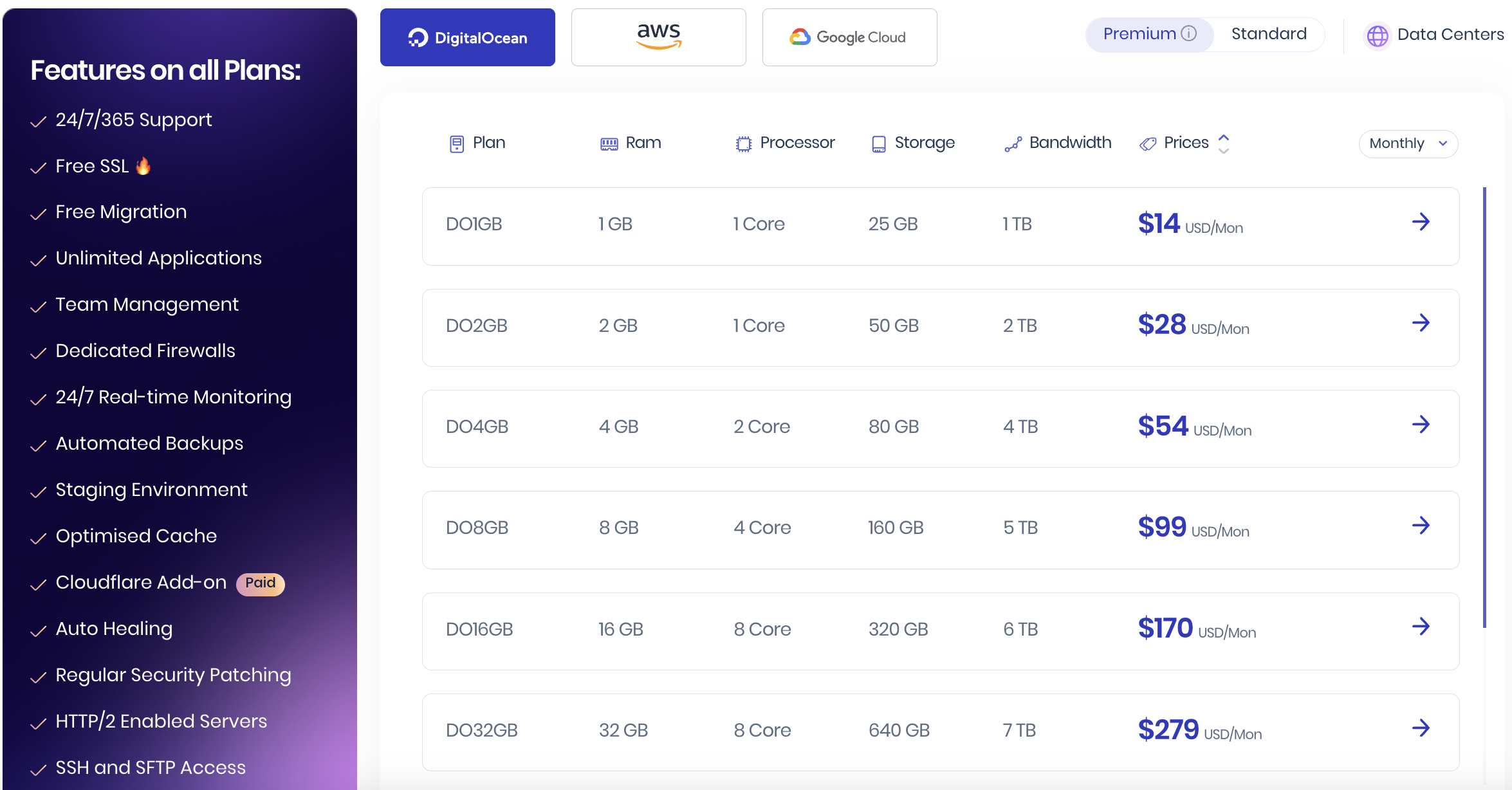
Credit: www.ryrob.com
Understanding Web Hosting Services
Web hosting is a service that lets websites show online. Different types exist. Shared hosting is cheap but shares space with others. VPS hosting gives more control. It’s like renting a room, not a bed. Dedicated hosting is a whole house. Only one user uses it. Cloud hosting is flexible. It grows as the site grows. Each type has pros and cons. Choose based on needs and budget.
Web hosting offers many features. Security is key. It protects data from bad guys. Bandwidth affects speed. More bandwidth means faster loading. Storage matters for big sites. More storage holds more files. Support helps when things go wrong. Good support fixes issues fast. Each feature helps sites run better. Pick features wisely to fit needs.
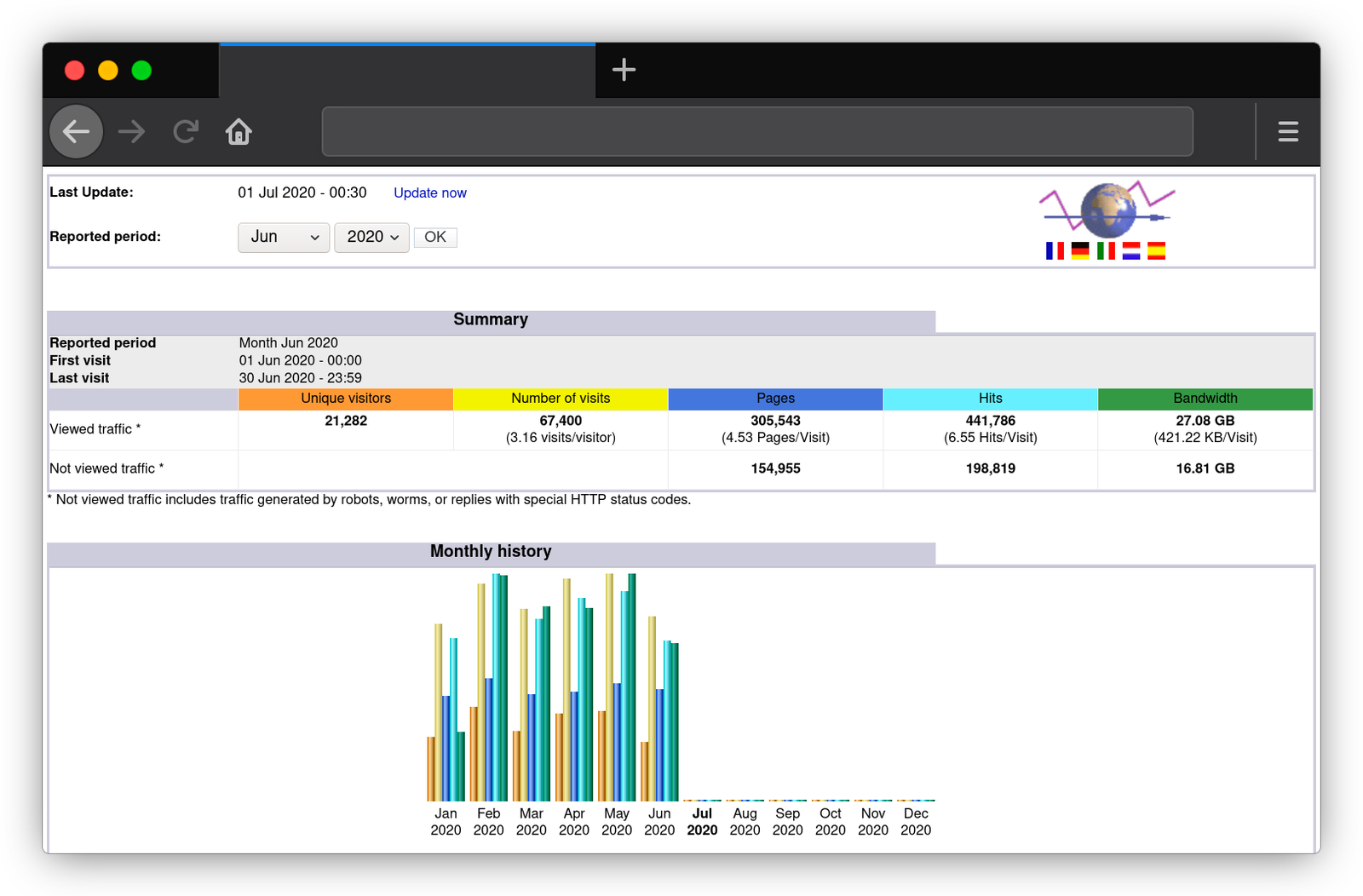
Credit: plausible.io
Determining Hosting Costs
Analyzing Market Rates involves checking what others charge. Many hosting companies offer plans. Compare these prices. Choose a rate that matches your service quality. Be fair but competitive.
Calculating Operational Costs is crucial. Include server maintenance and software costs. Don’t forget electricity and internet fees. Ensure you cover all expenses. Make a list of monthly costs. This helps in setting a proper price.
Additional Services and Fees add value. Offer domain registration or SSL certificates. These can increase your profit. Charge for website backups or security measures. Clients appreciate extra services. They might pay more for convenience.
Pricing Strategies
Flat rate pricing is simple. Charge one fixed amount each month. Clients know what to expect. No surprises. Easy for them to budget. This approach works well for small businesses. They appreciate the consistency. You can also bundle services. Include updates or backups for extra value.
Offer different plans. Each plan has more features. Basic, Standard, and Premium. Clients choose based on needs. Basic has fewer features. Premium has all the bells and whistles. This method gives clients flexibility. They can upgrade as they grow. It can attract different types of clients.
Some clients need special services. Create a custom package for them. Discuss their needs first. Then design a plan just for them. This shows that you care about their business. They will trust you more. Custom packages can be more profitable. Charge based on the work involved.
Communicating Value To Clients
Clients need to know why your hosting is the best. Share your unique selling points. Maybe you offer 24/7 support. Or perhaps your servers are super fast. Be clear. Be simple. Clients love to know they get more.
Explain why these points matter. Fast servers mean quick websites. Good support means help is always there. These points make your service special. They make clients happy.
Clients might not know all about hosting. Tell them the benefits. Explain how it helps their business. A good host keeps websites online. No downtime means more visitors. More visitors mean more sales.
Share how hosting helps with security. Clients’ data stays safe. Safe data builds trust. Trust leads to happy clients. Happy clients stay longer. Use simple words. Make it easy to understand.
Billing And Invoicing
Recurring payments make billing easy. Clients pay on time. It helps you manage cash flow. Use automated systems to bill clients. They save time. They reduce errors. Choose a reliable payment gateway. Make sure it supports recurring charges. Set clear payment intervals. Monthly or yearly works best. Inform clients about payment dates. Send reminders. Clients appreciate reminders. It builds trust.
Clear invoices are important. They build trust. Show all costs on the invoice. Explain each charge. Use simple language. Make invoices easy to read. Clients should understand them quickly. Include payment terms. Tell when payments are due. Provide contact details for questions. Clients may need help. Help them understand the invoice. It makes them happy. Happy clients stay longer.
Legal And Contractual Considerations
Drafting a service agreement is crucial. It helps avoid confusion. Clearly outline your services offered. This includes web hosting details. Define the cost of each service. Include payment terms. How much and when? This is vital.
State the duration of the agreement. For how long will you host? Explain what happens if things go wrong. Disputes can arise. Your agreement should cover these. Ensure both parties understand. This builds trust.
Terms and conditions are key. They protect both you and the client. Be clear about responsibilities. Who does what? Include a section on data privacy. This is important for clients. State any penalties for late payments.
Make sure your client reads everything. Encourage questions. This avoids future issues. A well-written agreement is the foundation for a smooth partnership.
Handling Client Queries And Concerns
Charging clients for web hosting can be simple. Start by explaining the hosting features and benefits. Offer a clear pricing structure. Make sure they understand any additional costs involved. This approach helps clients feel confident and informed about their decision.
Addressing Pricing Objections
Clients often worry about costs. They may think prices are too high. Explain why your web hosting is worth it. Show the benefits they get. Compare the features you offer with others. Clients need to see value. Talk about security, speed, and support. These are important for them.
Providing Customer Support
Good support makes clients happy. Always be ready to help them. Answer their questions quickly. It builds trust. Use simple words they understand. Clients feel cared for. Offer 24/7 support if possible. They like knowing help is always there.

Credit: www.zenarmor.com
Reviewing And Adjusting Pricing
Prices change over time. Market changes affect costs. Keep an eye on trends. Competitor prices can guide you. Adjust your rates if needed. Stay competitive and fair. Clients notice changes. They may ask questions. Explain changes clearly. Show them the value. Transparency builds trust. Trust keeps clients happy.
Clients share their thoughts. Feedback helps improve services. Listen to them carefully. Adapt to their needs. This shows you care. Adjust pricing based on feedback. Happy clients stay longer. They recommend you to others. A good reputation helps your business grow. Always value their input.
Frequently Asked Questions
How Much Should You Charge For Web Hosting?
Web hosting prices vary based on features, quality, and provider. Typical costs range from $3 to $100 monthly. Consider your needs, budget, and expected traffic before deciding. Compare services for the best fit.
How Do I Charge A Client For A Website?
Determine the website’s complexity and set a fixed or hourly rate. Consider design, functionality, and maintenance. Provide a detailed proposal, including timelines and costs. Discuss payment terms clearly, such as upfront deposits, milestone payments, or full payment upon completion. Tailor pricing to client needs and project scope.
How To Pay For Web Hosting?
Pay for web hosting using credit cards, PayPal, or bank transfers. Choose a payment method offered by the provider. Ensure your billing details are correct for smooth transactions. Review any discounts or offers before finalizing your payment.
How Should I Charge My Clients?
Determine your pricing based on market research, expertise, and project scope. Offer clear pricing packages or hourly rates. Include terms for revisions and additional work. Communicate your value and justify your rates with past successes and testimonials. Ensure your payment terms are clear and secure to maintain trust.
Conclusion
Charging for web hosting can boost your business. Clear communication is key. Set transparent pricing. Include hosting in your service package. Explain benefits to clients. Keep invoices simple. Offer flexible payment options. Regularly review hosting costs. Adjust as needed. This builds trust.
Clients appreciate honesty. Happy clients mean repeat business. Good hosting adds value to your services. Make it a win-win situation. Your success depends on satisfied clients. Stay informed about hosting trends. Adapt and grow with the industry. This approach ensures long-term success.
Remember, clarity and fairness are essential. Your business will thrive.


