Are you looking to unlock the full potential of your WordPress site? Accessing the WordPress API is the key to doing just that.
With the API, you can connect your site to other apps, customize features, and streamline your workflow like never before. In this guide, you’ll learn exactly how to access the WordPress API step-by-step, even if you’re not a tech expert.
By the end, you’ll have the tools to take control of your website and make it work smarter for you. Ready to get started? Let’s dive in.
Credit: duplicator.com
WordPress Api Basics
The WordPress API Basics explain how WordPress lets you interact with its data. APIs allow you to get, update, and manage content without using the WordPress dashboard. This makes it easier to build apps or websites that work with WordPress.
Understanding the basics helps you use WordPress more flexibly. It opens new ways to customize and control your site’s data.
What Is WordPress Api
The WordPress API is a set of tools and rules. It lets developers connect to WordPress and use its features. With the API, you can read posts, create users, or change settings. It works through simple requests and responses, usually in JSON format. This makes it easy to use with other apps or sites.
Types Of WordPress Apis
WordPress offers several APIs for different tasks. The REST API handles data like posts and users. The Plugin API allows adding new functions to WordPress. The Theme API helps customize how your site looks. Each API serves a specific purpose for developers and site owners.
Benefits Of Using WordPress Api
The WordPress API saves time by automating tasks. It allows you to build custom apps that use WordPress data. You can connect WordPress with other platforms easily. It also helps keep your site secure by limiting direct access to the database. Overall, it makes managing WordPress simpler and more powerful.
Setting Up Your Environment
Setting up your environment is the first step to access the WordPress API. It prepares your system to work smoothly with the API. You need a local WordPress setup, enable the REST API, and create API credentials. Each part is crucial for a seamless connection.
Installing WordPress Locally
Start by installing WordPress on your computer. Use tools like XAMPP or MAMP to create a local server. Download WordPress from the official site and unzip it in the server’s root folder. Run the installer by visiting localhost in your browser. Follow the steps to complete the setup.
Enabling Rest Api
The REST API is enabled by default in WordPress version 4.7 and above. Check your WordPress version to confirm. You can test the API by visiting http://localhost/wp-json/. If you see a JSON response, the API is active and ready.
Generating Api Credentials
To interact securely with the API, generate credentials. Use the Application Passwords feature in WordPress. Go to your user profile and create a new application password. Copy this password safely; you will need it to authenticate API requests.
Making Your First Api Request
The WordPress API offers many endpoints to interact with your site data. Each endpoint serves a specific purpose. Understanding these endpoints helps you get the data you need quickly. This section explains key endpoints and how to use them effectively.
Posts Endpoint
The posts endpoint lets you access all blog posts on your site. You can retrieve, create, update, or delete posts using this endpoint. It supports filters like category, author, and date to narrow results. The URL usually looks like /wp-json/wp/v2/posts. Use it to manage your content from outside WordPress.
Users Endpoint
The users endpoint provides information about site users. You can get details like username, email, and roles. This is useful for managing user accounts remotely. The endpoint URL is /wp-json/wp/v2/users. Permissions are important here; only authorized users can access sensitive data.
Comments Endpoint
The comments endpoint handles user comments on posts. You can fetch, add, or delete comments using this endpoint. It helps moderate discussions or display comments on custom pages. The URL for this endpoint is /wp-json/wp/v2/comments. Filtering by post ID or author improves data handling.
Custom Endpoints
Custom endpoints let you add new API routes for unique needs. Developers create these to expose data not covered by default endpoints. You can build endpoints to handle special data or functions. Registering custom endpoints requires coding in your theme or plugin. This extends the API’s power beyond standard options.
Credit: wpcerber.com
Authentication Methods
Handling errors and debugging is essential when working with the WordPress API. Errors can stop your app from working properly. Understanding how to find and fix these errors helps keep your project running smoothly.
Errors may come from wrong requests, server issues, or bad data. Debugging helps you see what went wrong and how to fix it fast. Using the right tools and techniques makes this process easier and more efficient.
Common Api Errors
Many errors occur often with the WordPress API. A 401 error means you are not authorized to access the resource. A 404 error shows the requested endpoint is missing or wrong. A 500 error points to a server problem that you cannot fix from your side.
Incorrect data formats or missing fields can cause validation errors. These stop your data from saving correctly. Knowing these common errors helps you check your requests before sending them.
Using Developer Tools
Developer tools in browsers are helpful to debug API calls. The Network tab shows request and response details. You can see status codes, headers, and returned data here. This helps find mistakes in the API requests.
Console logs display any JavaScript errors or warnings. You can add your own logs in code to track API call progress. These tools make it easier to find where the problem lies.
Logging And Troubleshooting
Adding logging to your code helps track API calls and errors. Save error messages and responses to a file or database for review. This helps spot patterns or repeated issues.
Use clear error messages that explain what went wrong. This guides you or your team to fix the problem faster. Testing your API calls step by step helps isolate errors and solve them quickly.
Working With Different Endpoints
Accessing the WordPress API is easier with the right tools and resources. These help you send requests, test endpoints, and understand how the API works. Using reliable tools saves time and avoids confusion.
Below are some key tools and resources to support your WordPress API journey.
Api Clients And Plugins
API clients let you send requests to WordPress servers. Tools like Postman and Insomnia provide user-friendly interfaces. They help test API calls without coding. WordPress also has plugins that add API features. Plugins like WP REST API Controller simplify managing API routes and permissions. These tools make working with the API straightforward.
Official Documentation
The WordPress REST API documentation explains each endpoint clearly. It shows required parameters and example responses. The docs update regularly to match new WordPress versions. Reading official guides helps avoid mistakes. It teaches you how to authenticate and use API features properly. This resource is a must for all developers.
Community Forums And Support
WordPress forums offer a place to ask questions and share tips. Experienced developers often provide answers and solutions. Sites like Stack Exchange also cover API topics. Joining these communities helps solve problems faster. You can learn from others’ experiences and improve your skills. Support networks make the API less intimidating.

Credit: jetpack.com
Frequently Asked Questions
What Is The WordPress Api Used For?
The WordPress API allows developers to interact with site data programmatically. It enables creating, reading, updating, and deleting content remotely. This helps build custom apps, plugins, and integrations that communicate with WordPress sites efficiently.
How Do I Authenticate With The WordPress Api?
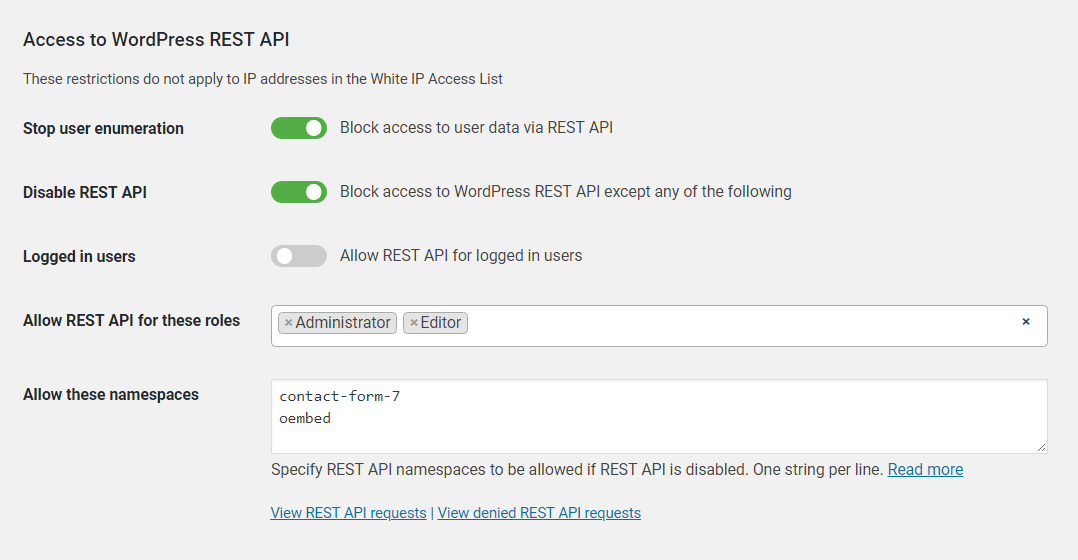
Authentication typically uses OAuth, API keys, or basic authentication. WordPress REST API supports cookie authentication for logged-in users. Proper authentication ensures secure access to protected resources and user data.
Which Http Methods Does WordPress Api Support?
The WordPress API supports GET, POST, PUT, PATCH, and DELETE methods. Each method performs specific CRUD operations on WordPress data. Using the correct method is essential for effective API communication.
How Can I Access WordPress Api Endpoints?
You access API endpoints via URLs structured like /wp-json/wp/v2/. Append resource names such as posts or users to interact with specific data types. Use tools like Postman or code libraries to send requests.
Conclusion
Accessing the WordPress API opens many new options for your website. You can get data easily and update content quickly. The steps are simple to follow and work well. Understanding these basics helps you use WordPress better. Keep practicing and exploring the API features.
This knowledge will improve how you manage your site. Start small, then try more advanced tasks with confidence. The WordPress API is a useful tool for all users.