
Choosing the right business structure for your small software startup is one of the most important decisions you’ll make. It affects your taxes, your personal liability, and how easy it is to raise money.
You might feel overwhelmed by all the options—sole proprietorship, LLC, corporation—and what each means for your future. But don’t worry. By understanding the basics and how they relate to your goals, you can make a choice that sets your startup up for success.
Keep reading to discover which business structure fits your software startup best and why it matters to you.
Common Business Structures
Choosing the right business structure is key for a small software startup. It affects taxes, liability, and management. Understanding common structures helps you decide what fits best. Each type has unique features and rules. Knowing these helps protect your startup and plan for growth.
Sole Proprietorship
A sole proprietorship is the simplest business form. One person owns and runs the business. It requires little paperwork and low costs. The owner is fully responsible for debts and legal issues. Profits go directly to the owner and are taxed as personal income.
Partnership
A partnership involves two or more people sharing ownership. Partners share profits, losses, and responsibilities. It’s easy to set up with a simple agreement. Like sole proprietorships, partners face personal liability. Clear agreements help avoid conflicts.
Limited Liability Company (llc)
An LLC combines features of a corporation and a partnership. Owners get limited liability protection from debts and lawsuits. Profits can pass through to owners’ personal taxes, avoiding double taxation. It offers flexibility in management and fewer formal rules.
Corporation
A corporation is a separate legal entity from its owners. It provides strong liability protection. Corporations can sell stock to raise money. They face more regulations and formalities. Profits are taxed at the corporate level and again as dividends.
S Corporation
An S corporation is a special type of corporation for small businesses. It avoids double taxation by passing income to shareholders. Owners get liability protection like a corporation. There are limits on the number and type of shareholders allowed.
Benefit Corporation
A benefit corporation focuses on social and environmental goals. It balances profit with positive impact. Owners get liability protection like traditional corporations. This structure appeals to startups with a mission beyond profit. It requires transparency and accountability to the public.
Factors To Consider
Choosing the right business structure is key for small software startups. This choice affects many areas of your company. Consider several important factors before deciding. Each factor shapes how your business grows and operates.
Liability Protection
Liability protection keeps your personal assets safe. Different structures offer different levels of protection. Some separate your personal money from business debts. This can protect your home and savings if problems arise.
Tax Implications
Taxes impact how much money your business keeps. Some structures pay taxes at the business level. Others pass income directly to owners to avoid double taxation. Choose a structure that fits your financial goals.
Funding And Investment
Funding is crucial for startup growth. Some business types make it easier to attract investors. Others work better for self-funding or small loans. Think about how you will raise money now and later.
Management And Control
Who makes decisions matters a lot. Some structures give all owners equal control. Others allow one person to lead. Decide how you want to share power and run the business.
Compliance Requirements
Rules and paperwork vary by business type. Some need annual meetings and reports. Others have fewer legal steps. Choose a structure that matches your ability to handle paperwork.
Scalability
Your business will grow over time. Some structures are easier to expand. Others may limit growth or need changes later. Pick a structure that supports your long-term plans.
Choosing Based On Startup Stage
Choosing the right business structure depends on the stage of your software startup. Different stages have different needs and challenges. Picking a structure that fits your current phase helps avoid problems later. It also supports growth and future plans. Understanding these needs makes the decision clearer and easier.
Early Stage Considerations
At the start, simplicity is key. Many founders choose sole proprietorship or partnership for easy setup. These structures have less paperwork and lower costs. Protecting personal assets is important but not always required at this phase. Focus on quick decisions and flexibility. Keep taxes straightforward to save money. Keep your structure easy to change as you learn and grow.
Growth Stage Needs
Growth brings more complexity. You may need to hire employees or raise money. A limited liability company (LLC) or corporation offers protection from personal risk. These structures attract investors better. They also allow profit sharing and stock options. Expect more legal and tax rules. Prepare for detailed record keeping and reporting. Choose a structure that supports scaling and teamwork.
Exit Strategy Impact
Your exit plans affect your business structure choice. Planning to sell the startup means choosing a structure that eases transfer of ownership. Corporations often suit sales to investors or other companies. They offer clear shares and ownership rights. If you want to pass the business to family, an LLC or partnership might work better. Think about taxes on sale or inheritance. Pick a structure that fits your long-term goals and exit plans.

Credit: www.svb.com
Legal And Financial Implications
Choosing the right business structure for a small software startup affects legal and financial matters. The structure impacts how you register your business, protect your work, handle costs, and follow employment rules. Understanding these points helps avoid problems and saves money.
Registration Process
Each business structure has a different registration process. Sole proprietorships are simple and fast to register. LLCs and corporations require more paperwork and fees. You must file documents with the state government. Some states need extra licenses or permits. Registration sets up your business legally and allows you to open bank accounts.
Ongoing Costs
Costs vary by business type. Sole proprietorships have low costs. LLCs and corporations pay annual fees and taxes. You may need to file yearly reports. Some states charge franchise taxes. Hiring accountants or lawyers can add to costs. Budget for these expenses to keep your business running smoothly.
Intellectual Property Protection
Software startups must protect their ideas and code. The right business structure helps secure intellectual property (IP). Corporations often provide stronger protection for patents and trademarks. LLCs offer some protection but less than corporations. Register copyrights and trademarks to guard your software. Protecting IP prevents others from copying your work.
Employment Laws
Business structure affects how you follow employment laws. Corporations and LLCs have more rules for hiring and payroll. You must comply with tax withholdings and worker protections. Sole proprietorships have fewer requirements but still follow basic laws. Know the rules to avoid fines and legal trouble. Proper compliance keeps employees safe and your business legal.
Tax Benefits And Drawbacks
Choosing the right business structure affects your startup’s tax situation. Taxes can reduce profits or help save money. Understanding tax benefits and drawbacks helps you pick the best option. Each structure has different rules on how you pay taxes and what you can deduct.
Pass-through Taxation
Pass-through taxation means business income passes to owners’ personal tax returns. The business itself does not pay income tax. This avoids double taxation. Owners report profits and losses on their own taxes. It is common in sole proprietorships, partnerships, and S corporations. This structure can simplify taxes and reduce overall tax bills.
Double Taxation
Double taxation happens mainly in C corporations. The company pays tax on its profits. Then, owners pay tax again on dividends received. This can reduce the total income you keep. Small startups often avoid C corps to prevent this extra tax cost. But C corporations have other benefits like easier fundraising.
Deductions And Credits
Business deductions lower taxable income. Common deductions include office expenses, software tools, and salaries. Tax credits reduce taxes owed directly. Some credits target technology research or hiring employees. Choosing the right structure can affect eligibility for certain deductions and credits. Tracking expenses carefully helps maximize these tax savings.
Case Studies Of Software Startups
Case studies help us understand how different business structures affect software startups. They show real examples and outcomes. These stories guide new entrepreneurs on choosing the right structure for their company.
Each business form has pros and cons. Seeing what others did can clarify the best choice for your startup.
Successful Llc Startups
Many small software startups choose LLCs for their simplicity and protection. An LLC limits personal risk while keeping management flexible. For example, a startup that developed a project management app grew quickly under an LLC structure. The owners avoided complex paperwork and shared profits easily. This structure helped them focus on product development and customer growth.
Another startup in cybersecurity also thrived as an LLC. They saved money on taxes and avoided double taxation. The LLC status gave them credibility when seeking clients and partners.
Corporation Success Stories
Corporations suit startups aiming for fast growth and outside investment. A cloud software company formed a corporation to attract venture capital. The corporation structure allowed issuing shares and formal roles. This setup helped them raise funds and expand internationally.
Another example is a software firm that built a popular mobile game. As a corporation, they hired staff and sold shares to investors. This structure supported their large team and global reach.
When Partnerships Worked Well
Partnerships fit startups with few founders sharing skills and risks. A small software consultancy began as a partnership. The partners divided tasks based on their strengths. They kept costs low and made decisions quickly.
In another case, two developers formed a partnership to create a niche software tool. Their close collaboration helped them grow steadily. Partnerships work best when trust and clear roles exist.
Steps To Register Your Business
Registering your small software startup is the first step to making it official. It gives your business a legal identity. This process protects your ideas and helps you follow the law. It also makes it easier to get funding and customers.
Below are the key steps to register your business. Follow them carefully to start on the right foot.
Choosing A Business Name
Your business name is your brand’s first impression. Pick a name that is simple, clear, and easy to remember. Make sure it reflects your software product or service. Check if the name is available. Search online and check your state’s business registry to avoid duplicates.
Filing Formation Documents
This step makes your business official. Choose the legal structure first, like LLC or corporation. Then, file the formation documents with your state government. These papers include your business name, address, and owner details. Pay the required fee to complete the filing. Keep copies of all documents for your records.
Obtaining Licenses And Permits
Your software startup may need licenses or permits to operate legally. Requirements vary by location and business type. Check with local and state offices to find out what applies to you. Common permits include sales tax licenses and home office permits. Secure all needed licenses before starting your business activities.
Setting Up Financial Accounts
Open a separate bank account for your business. This helps keep personal and business finances apart. Choose a bank that offers business accounts with low fees. You may also want to apply for a business credit card. Keep your financial records organized from the start for tax and growth purposes.
Common Mistakes To Avoid
Choosing the right business structure is crucial for a small software startup. Many startups make avoidable errors that affect growth and stability. Knowing these common mistakes helps you build a stronger foundation.
Ignoring Legal Requirements
Many startups skip important legal steps. Registering the business properly protects your company name. Missing licenses or permits can stop your operations. Follow local laws to avoid fines and shutdowns.
Underestimating Taxes
Taxes can be confusing for new businesses. Some underestimate how much they owe. Different structures have different tax rules. Plan for taxes early to avoid surprises and penalties.
Neglecting Liability Protection
Ignoring liability puts personal assets at risk. Without protection, debts or lawsuits could hit your personal money. Choose a structure that shields your personal finances from business risks.
Poor Record Keeping
Clear records help track income and expenses. Poor bookkeeping causes tax mistakes and financial trouble. Use simple tools to keep organized records from day one.
Resources For Small Software Startups
Starting a small software business needs more than just a good idea. Finding the right support is key. Resources can guide you through legal, financial, and community challenges. They help you pick the best business structure for your startup.
Access to the right resources makes growth easier. You gain knowledge, support, and connections. This section highlights essential resources for small software startups.
Government Resources
Government programs offer tools and information for startups. They provide grants, training, and tax advice. Many local and national agencies help small businesses. Check official websites for updates and support options.
Legal Assistance
Legal help protects your business. Lawyers can explain business structures like LLC or corporation. They help with contracts, patents, and compliance. Affordable legal advice is available through clinics and online services.
Financial Advisors
Financial experts guide your money decisions. They help with budgeting, taxes, and funding plans. Advisors can suggest cost-saving ideas. Good financial advice keeps your startup stable and growing.
Startup Communities
Communities connect you with other founders. They share experiences, tips, and support. Join local meetups or online groups for software startups. These networks open doors to partnerships and mentorship.
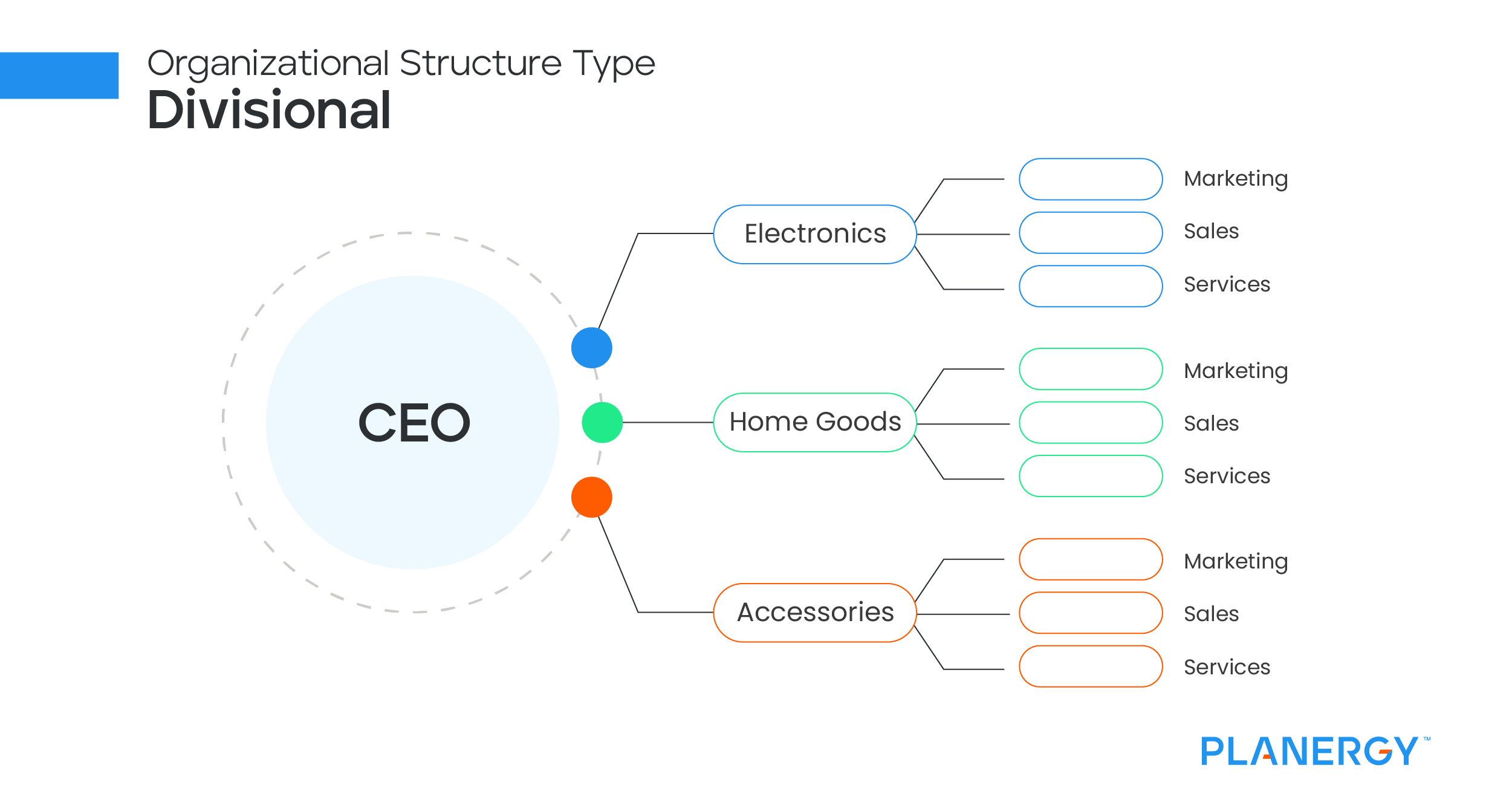
Credit: planergy.com

Credit: dojobusiness.com
Frequently Asked Questions
What Is The Best Business Structure For A Software Startup?
The best structure often is an LLC or S Corporation. They offer liability protection and tax benefits. Choose based on your growth plans and investors’ needs.
How Does A Sole Proprietorship Affect Software Startups?
A sole proprietorship is simple to set up but offers no liability protection. It suits solo founders testing their ideas with minimal costs.
Why Choose An Llc For A Small Software Business?
An LLC protects personal assets and offers flexible tax options. It’s ideal for startups wanting protection and simple management.
What Tax Benefits Do Software Startups Get With S Corporations?
S Corporations avoid double taxation by passing income to shareholders. They help startups save on self-employment taxes.
Conclusion
Choosing the right business structure shapes your startup’s future. It affects taxes, risks, and management control. Think about your goals and partners. Simpler structures fit small teams better. Complex ones suit bigger plans and more investors. Take time to research each type.
Consult a professional if needed. The right choice helps your software startup grow strong and stable. Start smart, and build your success step by step.


