

Are you stuck deciding between becoming a Business Analyst or a Software Developer? Both roles offer exciting opportunities, but which one fits your skills and goals better?
Choosing the right career path can shape your future in ways you might not expect. You’ll discover the key differences, daily tasks, and growth potential of each role. By the end, you’ll have a clear idea of which path aligns best with your strengths and aspirations.
Keep reading to find out where your talents can shine the brightest.
Role Breakdown
Understanding the roles of a Business Analyst and a Software Developer helps you choose the right career path. Each role has unique duties and tasks. These define daily work and long-term goals. Knowing the differences clarifies what to expect in each position.
Let’s break down the main duties of both roles. This helps you see where your interests and skills fit best.
Business Analyst Duties
Business Analysts gather information from stakeholders. They identify problems and suggest solutions. They write clear business requirements and process documents. They also communicate between technical teams and business people. Their work ensures projects meet business goals. They analyze data to find trends and improve decisions. Business Analysts often lead meetings and workshops. They help teams understand customer needs and market demands.
Software Developer Tasks
Software Developers write and test code to build applications. They fix bugs and improve software performance. Developers work with different programming languages and tools. They collaborate with designers and analysts to create user-friendly products. Developers often review code and update software regularly. They focus on technical details and system design. Their work turns ideas into functioning software. Developers must keep learning new technologies and best practices.
Skill Requirements
Choosing between a Business Analyst and a Software Developer depends a lot on the skills each role requires. Both roles need different sets of skills to succeed. Understanding these skill requirements helps to decide which path fits better.
Key Skills For Business Analysts
Business Analysts need strong communication skills. They must explain ideas clearly to both business teams and technical staff. Analytical thinking is important to understand problems and find solutions. They also need to be good at gathering and organizing information. Basic knowledge of business processes helps in making smart decisions. Familiarity with tools like Excel and presentation software is useful. Being detail-oriented ensures nothing important is missed. Problem-solving skills help deal with unexpected challenges quickly.
Essential Skills For Developers
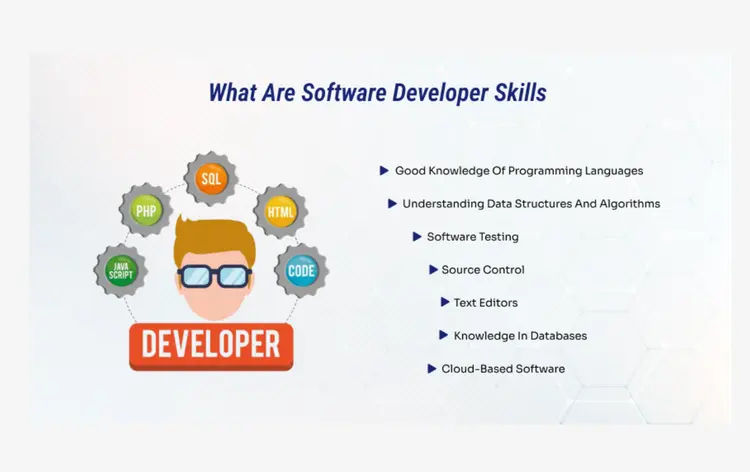
Software Developers must know programming languages like Java, Python, or C. Logical thinking helps in writing clean and efficient code. Attention to detail is critical to avoid bugs. They need to understand software development tools and environments. Collaboration skills are important for working in teams. Time management helps meet project deadlines. Learning new technologies fast keeps developers up to date. Testing and debugging skills ensure the software works well.
Work Environment
The work environment plays a big role in job satisfaction and productivity. Business analysts and software developers often work in different settings. These spaces influence how they perform daily tasks and interact with others. Understanding these environments helps to see which role fits better for different personalities and work styles.
Typical Business Analyst Settings
Business analysts usually work in offices or meeting rooms. They spend much time discussing with clients and team members. Their work involves analyzing data, creating reports, and preparing presentations. Quiet spaces and conference rooms are common. Collaboration is key, so they often join group meetings. The setting encourages communication and problem-solving.
Developer Workspaces
Software developers often work in cubicles or open-plan offices. They need computers and software tools for coding. Developers focus on writing and testing code, requiring concentration. Some prefer quiet areas to avoid interruptions. Others work in teams, sharing ideas and solving bugs together. Their workspace often has multiple monitors and technical equipment. Comfort and fewer distractions help them stay productive.
Credit: www.knowledgehut.com
Career Growth
Career growth is an important factor in choosing between a Business Analyst and a Software Developer. Both roles offer paths that can lead to senior positions and specialized fields. Understanding how each career progresses helps in making a better decision.
Advancement Paths For Analysts
Business Analysts often start by gathering and analyzing data to improve business processes. Over time, they move into roles like Senior Analyst or Lead Analyst. These positions involve managing projects and teams. Some analysts shift to product management or consulting, using their skills to guide business strategy. The career can also lead to executive roles, such as Chief Business Officer.
Developer Career Trajectories
Software Developers begin by writing and testing code. As they gain experience, they become Senior Developers or Tech Leads. These roles include mentoring others and designing complex systems. Developers can specialize in areas like security, AI, or mobile apps. Some move into management, becoming Project Managers or Chief Technology Officers. The path offers many chances to grow skills and responsibility.
Salary Comparison
Choosing between a Business Analyst and a Software Developer often depends on salary expectations. Understanding the pay differences helps in making an informed decision. Salaries vary by location, experience, and industry. Let’s explore how earnings compare in these two roles.
Business Analyst Earnings
Business Analysts earn a stable and competitive salary. Entry-level analysts usually start with a moderate income. With experience, their pay increases steadily. Many earn bonuses based on project success. The average salary ranges from $60,000 to $90,000 yearly. Senior Business Analysts can earn above $100,000. Pay depends on skills in communication and problem-solving.
Software Developer Salaries
Software Developers often command higher starting salaries. Their pay grows quickly with technical skills and experience. Junior developers may earn around $70,000 annually. Experienced developers and specialists can earn over $120,000. Salaries vary based on programming languages known. Demand for developers keeps their pay competitive. Many also receive bonuses and stock options.

Credit: qarea.com
Job Satisfaction
Job satisfaction plays a big role in choosing a career path. It affects how happy and motivated a person feels at work. Both business analysts and software developers find joy in different ways. Understanding these differences helps in making the right career choice.
Challenges Faced By Analysts
Business analysts often deal with unclear project goals. They must talk to many people to gather accurate information. Sometimes, requirements change quickly and cause stress. Analysts balance technical knowledge and people skills daily. Meeting deadlines while managing expectations is tough. They work to solve problems before they grow bigger. Despite challenges, they enjoy helping businesses improve processes.
Developer Job Rewards
Software developers create solutions and see their work in action. Writing code and solving bugs brings a strong sense of achievement. They often work on new and exciting technologies. Developers enjoy learning and improving their skills constantly. Seeing users benefit from their software adds to job satisfaction. Creative freedom and problem-solving make the role rewarding. Teamwork and collaboration also boost their happiness at work.
Industry Demand
Choosing between a Business Analyst and a Software Developer depends a lot on industry demand. Jobs in both roles grow, but each has unique trends. Understanding these can help decide which role suits your career goals.
Business Analyst Market Trends
Business Analysts help companies improve processes and solve problems. Many industries want experts who can link business needs with technology. Demand for Business Analysts is steady, especially in finance, healthcare, and retail sectors. Companies seek people who can analyze data and suggest practical changes. Remote work options are increasing for Business Analysts. Skills in communication and critical thinking boost job prospects.
Developer Job Market
Software Developers write code to build apps and software. The tech industry drives strong demand for developers worldwide. Jobs grow fast in areas like mobile apps, web development, and cloud computing. Many startups and big firms need developers to create new products. Skills in popular programming languages increase chances of getting hired. Developers often find work in multiple industries beyond tech, such as gaming and education.

Credit: www.youtube.com
Decision Factors
Choosing between a Business Analyst and a Software Developer depends on several key factors. These factors help match your skills and interests with the role. Understanding them makes the decision clearer. Two important aspects are personality fit and long-term goals.
Personality Fit
Business Analysts work closely with people. They gather information and explain solutions. Good communication skills are important. They enjoy solving problems by talking to others.
Software Developers focus on writing code. They build software and fix bugs. Developers like working with technology and details. They prefer logical thinking and patience.
Think about how you like to work. Do you enjoy teamwork and talking? Or do you like quiet time solving technical problems? Your personality can guide your choice.
Long-term Goals
Consider what you want in your career. Business Analysts often move into project management or consulting roles. They grow by understanding business needs and strategies.
Software Developers can advance to senior developer or architect roles. They may also become tech leads or start their own software projects.
Think about what skills you want to build. Choose the path that fits your future plans. This helps you stay motivated and focused.
Frequently Asked Questions
What Skills Distinguish A Business Analyst From A Software Developer?
Business Analysts excel in communication, requirement gathering, and process analysis. Software Developers focus on coding, debugging, and software design. Both roles require problem-solving but apply different technical and interpersonal skills tailored to project needs and goals.
Which Career Offers Better Growth: Business Analyst Or Developer?
Growth depends on industry demand and personal skills. Developers often see rapid tech advancements. Analysts grow by mastering business domains and strategic roles. Both can achieve leadership positions with experience and continuous learning.
How Does Job Satisfaction Compare Between These Roles?
Job satisfaction varies by individual preferences. Business Analysts enjoy interacting with stakeholders and shaping business solutions. Developers find fulfillment in creating functional software. Satisfaction depends on work environment, project type, and personal interest.
What Is The Average Salary Difference Between These Two Roles?
Salaries differ by location and experience. Generally, Software Developers earn slightly more due to technical demand. Business Analysts earn competitive salaries, especially with domain expertise. Both offer lucrative career paths with growth potential.
Conclusion
Choosing between a Business Analyst and a Software Developer depends on your interests. Business Analysts focus on understanding business needs and solving problems. Software Developers build and create software programs. Both roles offer growth and good career paths. Think about what skills you enjoy using every day.
Do you like talking with people and planning? Or do you prefer coding and building? Each role plays a key part in technology and business success. Your choice should match your strengths and goals. Either way, you can have a rewarding career.


