You might think open source software is a smart, cost-saving choice for your business. After all, it’s free and widely available.
But what if that “free” option is actually putting your company at risk? What if hidden dangers lie beneath the surface, threatening your data, productivity, and reputation? You’ll discover the real reasons why using open source software could cost you more than you expect—and why making the wrong choice now might hurt your business in the long run.
Keep reading to protect your company from costly mistakes.
Security Vulnerabilities
Security vulnerabilities pose a serious risk for businesses using open source software. These risks can lead to data breaches, loss of customer trust, and costly repairs. Open source code is public, which means anyone can study it. This openness can sometimes expose hidden weaknesses.
Many companies rely on software to protect sensitive information. If the software has security flaws, hackers can exploit them easily. Businesses must understand these risks before choosing open source solutions.
Exploitable Code Flaws
Open source software often contains coding errors that hackers can exploit. These flaws may be overlooked during development. Attackers use these weak points to gain unauthorized access. Fixing these flaws requires constant vigilance and expertise.
Delayed Patch Releases
Open source projects depend on volunteers for updates. This can cause delays in releasing security patches. Meanwhile, vulnerabilities remain open to attack. Businesses face higher risks without quick fixes.
Lack Of Dedicated Security Teams
Most open source projects do not have full-time security experts. Without dedicated teams, threats can go unnoticed. Commercial software companies usually have staff to monitor and respond fast. This difference impacts the safety of business data.
Credit: www.generativevalue.com
Compliance Challenges
Compliance challenges are a key reason why many businesses avoid open source software. Open source licenses can be confusing and strict. Non-compliance may lead to serious legal trouble. Companies must understand these rules to stay safe and avoid fines. This section explains the main compliance issues businesses face with open source software.
License Restrictions
Open source software comes with various licenses. Each license has specific rules about usage and distribution. Some licenses require businesses to share their own code if they use open source parts. Others forbid commercial use without permission. Understanding and following these rules is difficult. Violating license terms can cause legal problems and damage a company’s reputation.
Risk Of Legal Penalties
Ignoring open source license terms can lead to legal penalties. Courts may order companies to pay fines or stop using the software. Lawsuits take time and money. They distract from business goals and harm trust. Many companies find these risks too high. They prefer to use fully licensed, proprietary software to avoid legal trouble.
Complex Audit Processes
Auditing open source software is often complex and time-consuming. Businesses must track all open source components used in their products. They need to verify compliance with each license. This process requires detailed records and expert knowledge. Mistakes can cause compliance failures. Audits may reveal hidden risks, leading to costly fixes or legal action.
Hidden Costs
Open source software often seems free at first glance. The real costs hide beneath the surface. These hidden costs can strain budgets and delay projects. Businesses must prepare for expenses beyond the initial download.
Integration Expenses
Integrating open source software with existing systems can be complex. It often requires custom coding and adjustments. These tasks need skilled developers, increasing labor costs. Compatibility issues may arise, causing delays and extra work. Integration can take weeks or months, adding to expenses.
Maintenance And Support
Open source software lacks official support from vendors. Businesses rely on community forums and volunteers for help. Support can be slow or unreliable in critical moments. Maintaining the software requires regular updates and patches. Skilled IT staff is necessary to handle these tasks, raising ongoing costs.
Training Requirements
Employees need training to use open source software effectively. Training materials may be limited or outdated. Companies often pay for external trainers or courses. Time spent learning reduces productivity temporarily. Without proper training, mistakes increase and efficiency drops.
Credit: www.channelfutures.com
Limited Accountability
Limited accountability is a major concern for businesses using open source software. The lack of a clear responsible party can cause problems. Businesses may face delays in fixing issues or security risks. This makes open source less reliable for critical operations.
No Official Vendor Support
Open source projects usually do not have official vendors. This means no guaranteed support or service agreements. Businesses cannot rely on quick help or professional troubleshooting. Without vendor support, fixing problems can take longer and cost more.
Uncertain Development Roadmap
The future of open source software is often unclear. Development depends on volunteers or community interest. Updates and improvements may stop without warning. Businesses cannot plan long-term use confidently with an uncertain roadmap.
Community-driven Updates
Open source updates come from the community. These updates vary in quality and speed. Not all changes are tested or reliable. Businesses might face bugs or incomplete features. This makes open source riskier for steady business needs.
Performance And Reliability Issues
Performance and reliability are vital for any business software. Open source software may seem cost-effective but can cause issues in these areas. Many businesses find that open source solutions lack consistent performance and can fail at critical moments. These problems affect productivity and customer trust.
Inconsistent Quality
Open source projects often rely on volunteers. This leads to varied skill levels and coding styles. Some parts may work well, but others can contain bugs or security flaws. Updates might fix some issues but create new ones. Quality control is not guaranteed, risking unstable software.
Compatibility Problems
Open source software may not work well with other tools. Integration with existing systems can be difficult. Some features might not function as expected across different platforms. This causes delays and extra costs for businesses. Smooth operation requires compatible software, which is not always the case here.
Scalability Concerns
Businesses grow and need software that scales easily. Many open source solutions struggle with larger workloads. Performance can slow down, and crashes may increase under heavy use. Scaling open source software often demands extra work and expertise. This adds hidden expenses and risks to business growth.
Impact On Business Reputation
The impact of open source software on a business’s reputation can be significant. Many companies face risks that can harm how customers see them. Using open source tools may expose a business to problems that go beyond just technology.
Reputation is built on trust and reliability. If software fails or causes data issues, customers lose faith fast. This loss affects sales and growth. Understanding these risks helps businesses make safer choices.
Data Breach Risks
Open source software often lacks dedicated security teams. This can leave gaps that hackers exploit. Data breaches can expose sensitive customer information. Such incidents damage a company’s credibility quickly. Fixing these breaches costs money and time.
Businesses may not know all the software’s weaknesses. Updates and patches depend on community support. This delay increases the chance of attacks. A single breach can ruin years of hard-earned trust.
Customer Trust Erosion
Customers expect their data to be safe. They want reliable services without interruptions. If open source software causes problems, customers notice. They may stop using the service or switch to competitors.
Trust erodes slowly but recovers very slowly. Negative reviews and word of mouth spread fast. Businesses lose loyal customers and find it hard to attract new ones. Trust is the foundation of any strong business.
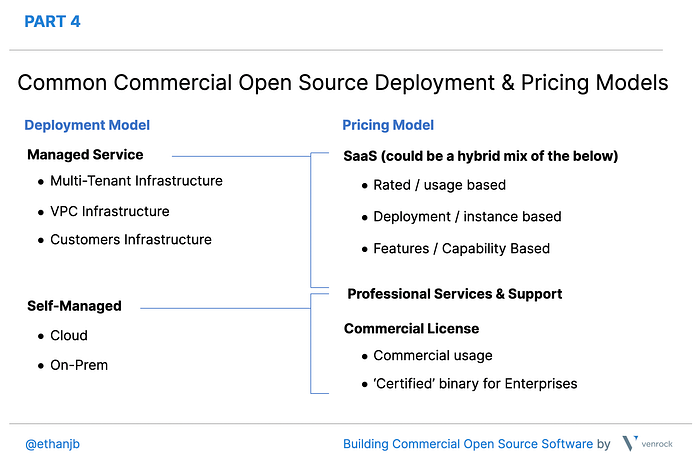
Credit: www.venrock.com
Frequently Asked Questions
Why Should Businesses Avoid Open Source Software?
Businesses should avoid open source software due to limited support, security risks, and hidden costs. Customizing open source tools can be time-consuming. Proprietary software often offers better reliability, dedicated support, and consistent updates, which are crucial for business continuity and security.
What Are The Hidden Costs Of Open Source Software?
Hidden costs include maintenance, customization, and training expenses. Businesses may also face integration challenges and lack of official support. These factors can increase total costs, making open source software less cost-effective than initially expected.
How Does Open Source Software Impact Business Security?
Open source software can expose businesses to security risks if not regularly updated. Its publicly available code allows hackers to exploit vulnerabilities. Without dedicated security teams, businesses may struggle to protect sensitive data effectively.
Is Open Source Software Less Reliable For Businesses?
Open source software may lack consistent updates and official support, impacting reliability. Bugs and issues might take longer to resolve. Businesses needing stable, dependable software often find proprietary alternatives more suitable.
Conclusion
Open source software may seem cost-effective at first. Yet, hidden risks can harm business operations. Lack of dedicated support slows problem solving. Security issues might expose sensitive company data. Businesses often face compatibility and update challenges. Choosing proprietary software ensures reliable service and security.
Careful software choices protect your company’s future. Think beyond price and focus on long-term stability.