
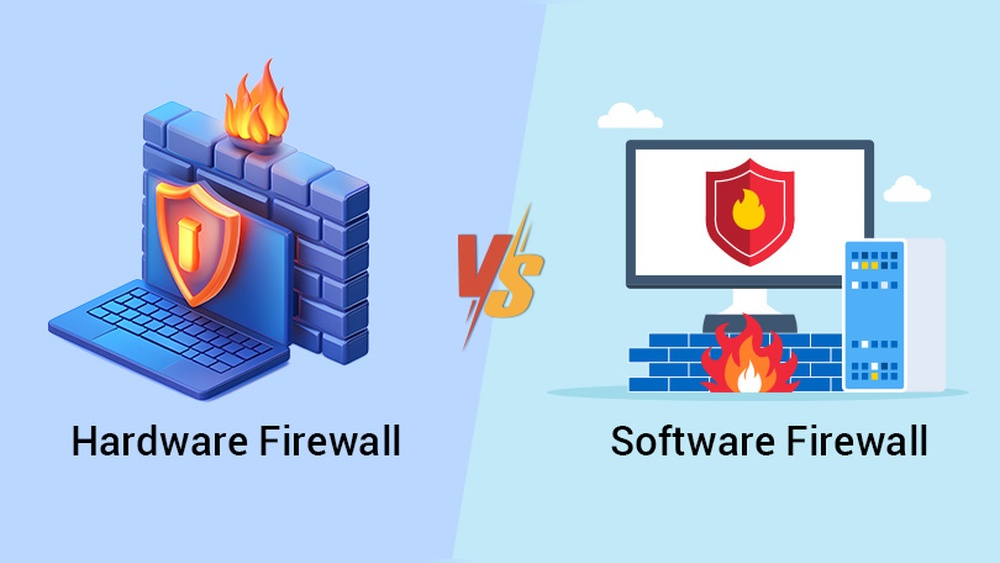
When it comes to protecting your big business, choosing the right firewall can make all the difference. You might be wondering: should you invest in a software firewall or go for a hardware firewall?
Both have their strengths, but which one truly fits your company’s needs? Making the wrong choice could leave your valuable data at risk or slow down your network. Keep reading to discover which option will give you the best security, performance, and peace of mind for your business.
Firewall Basics
Firewalls are key tools for protecting big businesses from online threats. They control access between computers inside a network and the internet. Firewalls help keep sensitive data safe and stop harmful attacks.
Understanding the basics of firewalls is important for deciding which type suits a big business. This knowledge helps in choosing the right protection for the company’s needs.
What Firewalls Do
Firewalls act like a barrier between a trusted network and the outside world. They monitor incoming and outgoing traffic. Only approved data packets can pass through. This blocks hackers and viruses from entering the network. Firewalls also prevent employees from visiting unsafe websites. They keep the business network secure and running smoothly.
Types Of Firewalls
There are two main types of firewalls: software and hardware. Software firewalls run on individual computers. They protect that specific device from threats. Hardware firewalls are physical devices placed between the network and the internet. They protect the entire network at once. Each type has pros and cons. Big businesses often use a mix of both for better security.

Credit: www.fortinet.com
Software Firewalls
Software firewalls are programs installed on individual computers or servers. They monitor and control the incoming and outgoing network traffic. Big businesses use them to protect sensitive information and manage network security at the device level.
These firewalls work inside the operating system. They check data packets against a set of rules. If the data is unsafe, the firewall blocks it. This method helps stop threats before they reach the system.
Key Features
- Monitors traffic on a single device.
- Filters data based on user-defined rules.
- Offers customizable security settings.
- Can detect and block malware and viruses.
- Allows control over application network access.
- Generates logs for monitoring and analysis.
Advantages For Big Business
- Easy to install on many devices.
- Cost-effective compared to hardware options.
- Flexible with frequent updates and upgrades.
- Protects remote and mobile workers.
- Allows tailored rules for different departments.
- Integrates well with other security software.
Common Limitations
- Uses system resources, slowing down devices.
- Needs regular updates to stay effective.
- Can be disabled by malware or users.
- Less effective against network-wide attacks.
- Requires IT staff to manage and monitor.
- May miss threats outside the device.
Hardware Firewalls
Hardware firewalls are physical devices placed between a business network and the internet. They monitor and control incoming and outgoing traffic. These firewalls are often used by large businesses to protect sensitive data and systems. Their design focuses on handling high traffic loads and complex security rules.
Core Capabilities
Hardware firewalls filter network traffic at the device level. They block unauthorized access and prevent cyberattacks. These devices can inspect data packets deeply and manage multiple connections at once. Many hardware firewalls offer VPN support and intrusion detection. They work independently from computers, reducing the risk of software crashes.
Benefits For Large Enterprises
Hardware firewalls provide strong security for big networks. They handle large volumes of data without slowing down the system. Their dedicated resources improve network performance and reliability. These firewalls offer better control over traffic and security settings. They reduce the chance of internal threats by separating network zones. Many models include easy-to-manage interfaces for complex setups.
Potential Drawbacks
Hardware firewalls can be costly to buy and maintain. They require physical space and power to operate. Setup and configuration may need skilled IT staff. Upgrading hardware can involve downtime and expense. These devices are less flexible than software firewalls for quick changes. Physical damage or failure can disrupt network security.

Credit: www.zenarmor.com
Performance Comparison
Performance is a key factor when choosing between software and hardware firewalls for big businesses. It affects how well the firewall protects and supports daily operations. Comparing their performance helps in making the right choice.
Big businesses need fast, reliable firewalls to handle large amounts of data and traffic without delays.
Speed And Efficiency
Hardware firewalls often process data faster than software ones. They use dedicated chips designed for security tasks. This speeds up data filtering and threat detection. Software firewalls depend on the computer’s CPU, which can slow down tasks. Hardware firewalls handle large traffic volumes better, keeping networks smooth.
Scalability
Hardware firewalls scale well by adding more devices or upgrading parts. This suits growing businesses with increasing security needs. Software firewalls can be scaled by installing on more servers. But this can increase management complexity. Hardware solutions usually offer easier growth without major slowdowns.
Resource Usage
Software firewalls use the server’s resources like CPU and memory. This can affect other applications running on the same machine. Hardware firewalls work independently, freeing up server resources. This helps maintain overall system performance. For big businesses, reducing resource load is often crucial.
Security Effectiveness
Security effectiveness is a key factor for big businesses choosing between software and hardware firewalls. Both types offer protection but differ in how well they detect threats, update defenses, and work with other systems. Understanding these differences helps businesses pick the best option to keep their data safe.
Threat Detection
Hardware firewalls often use dedicated chips to scan data quickly. They block threats before reaching the network. Software firewalls run on the computer or server, monitoring traffic closely. They can detect threats inside the system too. Hardware excels at handling large traffic volumes. Software is better at spotting unusual behavior on the device itself.
Update And Maintenance
Software firewalls receive updates automatically from the vendor. These updates fix new security issues fast. Hardware firewalls need manual updates or special tools. This can slow down patching. Software updates are easier for IT teams to manage. Hardware requires more time and effort to keep current.
Integration With Other Systems
Software firewalls integrate well with antivirus and monitoring tools. They share data easily across the network. Hardware firewalls can connect with other devices but may have limits. Software firewalls adapt better to changing business needs. Hardware firewalls provide strong stand-alone protection but less flexibility.
Cost Considerations
Cost matters a lot when big businesses choose between software and hardware firewalls. The right firewall must fit the budget. But cost is more than just the price tag. It includes many parts, such as buying, running, and the value it brings over time. Understanding these costs helps companies make smart choices for their security needs.
Initial Investment
Hardware firewalls need a bigger upfront payment. They require buying physical devices. These devices come with installation fees. Software firewalls usually cost less at the start. They often need just a license or subscription. For big businesses, the initial investment depends on the size and needs of the network.
Ongoing Expenses
Hardware firewalls need regular maintenance and updates. Sometimes, they require replacement parts. Software firewalls need subscription renewals and updates too. Staff training and support add to ongoing costs for both types. Businesses should plan for these expenses over the firewall’s life.
Return On Security Investment
A firewall must protect well to justify its cost. Hardware firewalls often offer strong, reliable protection. This can reduce risks and potential losses. Software firewalls provide flexibility and quick updates. They can adapt faster to new threats. The best return comes from matching the firewall to the business’s security needs and budget.
Deployment And Management
Deployment and management are crucial factors for big businesses choosing between software and hardware firewalls. These aspects impact how quickly the firewall protects the network and how easily IT teams maintain it. Efficient deployment saves time and cuts costs. Smooth management reduces errors and keeps security strong.
Ease Of Setup
Hardware firewalls often come as ready devices. Plugging in and connecting them is usually fast. They require less configuration to start protecting the network. Software firewalls need installation on servers or machines. This can take more time and effort. Software setup may demand specific system knowledge. Hardware firewalls suit businesses needing quick protection.
Management Complexity
Software firewalls offer flexible control through software interfaces. They allow detailed rules and settings changes. This can be complex for teams without experience. Hardware firewalls use dedicated management consoles. These are often simpler but less flexible. Managing multiple software firewalls across many devices can be challenging. Hardware solutions centralize management, easing oversight in large networks.
Support And Troubleshooting
Hardware firewalls usually include vendor support. Physical devices can be replaced or repaired quickly. Troubleshooting often involves checking device status and connections. Software firewalls depend on system stability and updates. Issues may require deeper knowledge of the host system. Software problems can be harder to isolate. Hardware firewalls provide clearer diagnostics in many cases.
Hybrid Firewall Solutions
Hybrid firewall solutions blend software and hardware firewalls. This mix offers a balanced security approach for big businesses. It uses the strengths of both types to protect networks better. Hybrid firewalls help manage complex threats and large data flow.
Combining Software And Hardware
Hybrid firewalls use hardware to block outside threats early. Software firewalls manage internal traffic and detailed rules. This combination controls network access more precisely. It creates multiple defense layers to stop attacks.
Use Cases For Hybrids
Big businesses with many users benefit most from hybrids. They protect sensitive data across offices and remote workers. Hybrids also support cloud services and mobile devices securely. They fit well in companies needing high security and flexibility.
Maximizing Security
Hybrid solutions allow quick updates and deep inspections. Hardware handles heavy traffic without slowing down systems. Software firewalls customize rules for different departments or users. Together, they reduce risks and improve threat detection.
Choosing The Right Firewall
Choosing the right firewall is a key step for big businesses. It protects sensitive data and controls network access. Both software and hardware firewalls have strong points. The choice depends on specific business factors. Understanding these factors helps make the best decision.
This section breaks down the main considerations for picking the right firewall. It covers business needs, risk levels, and future security demands.
Assessing Business Needs
Start by examining your company’s size and network setup. Large businesses often have complex networks. They need firewalls that handle heavy traffic and many users. Think about where employees work—office, remote, or both. Software firewalls work well for remote teams. Hardware firewalls suit centralized offices. Consider your budget and IT support too.
Evaluating Risk Levels
Identify the type of data your business holds. High-value data needs stronger protection. Look at past security issues and threats in your industry. Some businesses face more cyberattacks than others. Hardware firewalls offer strong defense against external threats. Software firewalls provide flexible control inside the network. Match the firewall strength to your risk level.
Future-proofing Security
Security needs change over time. New threats and technologies appear regularly. Choose firewalls that update easily and quickly. Software firewalls receive frequent updates and patches. Hardware firewalls may require physical upgrades. Plan for growth in network size and complexity. A scalable firewall supports long-term security without high costs.
Credit: cybersecuritynews.com
Frequently Asked Questions
What Is The Main Difference Between Software And Hardware Firewalls?
Software firewalls run on individual devices to monitor traffic. Hardware firewalls are physical devices placed between networks for broader protection. Software firewalls offer customization, while hardware firewalls provide centralized security for big businesses.
Which Firewall Type Is Better For Big Business Security?
Hardware firewalls are generally better for big businesses. They handle large traffic volumes and protect entire networks. Software firewalls complement hardware by securing individual devices. Combining both offers the best layered security.
Can Hardware Firewalls Handle Advanced Cyber Threats?
Yes, hardware firewalls include advanced features like intrusion detection and prevention. They filter traffic efficiently and block unauthorized access. This makes them essential for protecting big business networks from complex cyber threats.
Are Software Firewalls Easier To Manage Than Hardware Firewalls?
Software firewalls are easier to install and customize on single devices. Hardware firewalls require specialized setup but offer centralized control. Big businesses often need hardware firewalls for scalable and consistent security management.
Conclusion
Choosing between software and hardware firewalls depends on your business needs. Hardware firewalls offer strong protection and handle large traffic well. Software firewalls provide flexibility and easy updates. Big businesses often benefit from using both together. This layered approach boosts security and reduces risks.
Think about your budget, network size, and security goals. The best choice keeps your data safe without slowing down operations. Protect your business wisely for peace of mind and smooth performance.


