Are you struggling to keep track of your business’s incoming payments? Managing accounts receivable can feel overwhelming, especially when manual processes slow you down and increase errors.
What if there was a way to speed up collections, reduce mistakes, and improve your cash flow—all while freeing up your time to focus on growing your business? That’s exactly what accounts receivable software offers. You’ll discover how this powerful tool can transform the way you handle payments, boost your efficiency, and strengthen customer relationships.
Keep reading to find out how implementing the right software can make a real difference for your business’s success.
.webp)
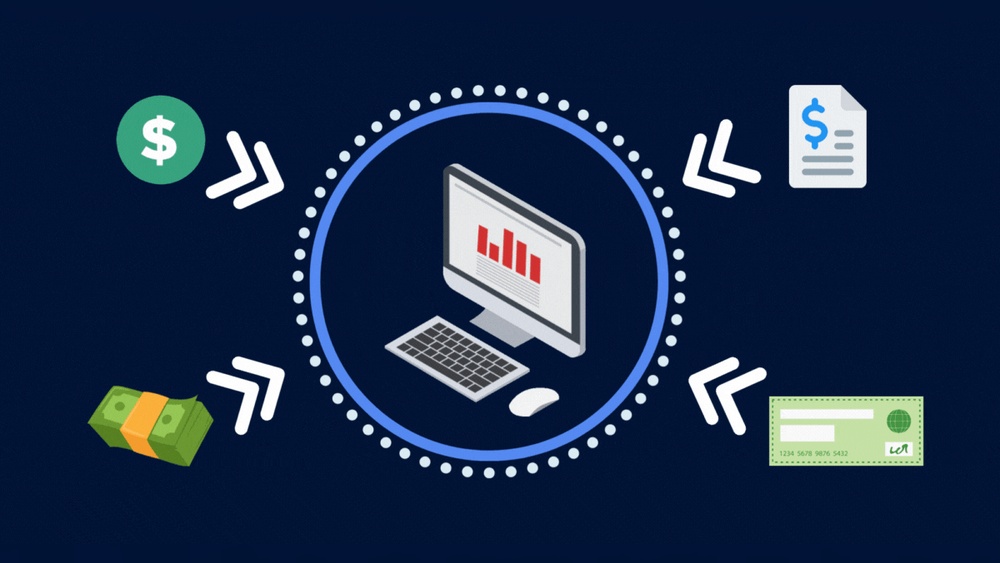
Credit: www.intersoft-erp.com
Role Of Accounts Receivable
Accounts receivable plays a vital role in the financial health of any business. It represents the money owed to a company by its customers for goods or services delivered. Managing these receivables efficiently ensures businesses have the funds needed to operate smoothly. Without proper control, cash flow can become unpredictable, causing strain on daily operations.
Effective accounts receivable management helps track outstanding invoices and speeds up payment collection. This process supports the business’s ability to meet its financial obligations and invest in growth. Accounts receivable software simplifies these tasks by automating tracking, reminders, and reporting. It reduces errors and improves overall accuracy.
Maintaining Cash Flow
Cash flow depends heavily on timely payments from customers. Accounts receivable software helps monitor due dates and sends automated reminders. This reduces late payments and improves the speed of cash collection. Businesses can better predict their available funds and plan expenses accordingly.
Faster cash flow means companies can pay suppliers on time and avoid unnecessary borrowing. It also allows for reinvestment in new projects or resources. The software’s real-time tracking provides clear visibility into outstanding invoices, helping avoid cash shortages.
Impact On Business Operations
Accounts receivable software streamlines billing and payment processes. It reduces manual work by automating invoice generation and payment matching. This increases efficiency and frees staff to focus on other important tasks.
Accurate records minimize disputes with customers and improve relationships. Timely payments help maintain a positive reputation and build trust. The software also provides valuable data to support financial decisions and forecasting.

Credit: www.ogl.co.uk
Benefits Of Ar Software
Accounts receivable software offers strategic advantages that extend beyond simple invoicing. It provides businesses with powerful tools to monitor finances and plan effectively. This software helps companies make smarter decisions and supports steady growth.
With automated processes, businesses gain clearer visibility into their financial health. This clarity improves forecasting and prepares companies for future challenges.
Real-time Financial Insights
The software delivers real-time data on payments and outstanding invoices. Businesses can track cash flow instantly and identify any delays. This helps managers act quickly to solve payment issues.
Instant access to financial information reduces guesswork. Teams understand their current financial status at a glance. This transparency increases confidence in decision-making and reduces risks.
Better Forecasting
Accurate data from accounts receivable software improves financial forecasts. Businesses can predict income and expenses more reliably. This helps plan budgets and allocate resources effectively.
With better forecasting, companies avoid surprises and prepare for slow periods. They can make informed decisions about hiring, investing, or expanding operations. This leads to stronger financial stability.
Supporting Business Growth
Efficient accounts receivable management frees up time for growth activities. Employees spend less time chasing payments and more on strategy. The software scales easily as the business expands.
It also improves customer relationships by ensuring timely and accurate billing. Happy customers mean repeat business and positive referrals. This support helps businesses grow steadily and sustainably.
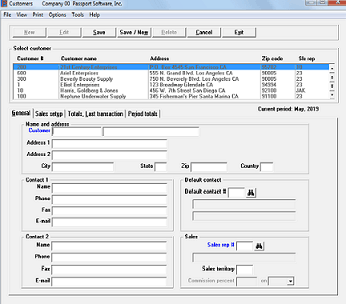
Credit: pass-port.com
Frequently Asked Questions
Why Is Accounts Receivable Important In Business?
Accounts receivable is crucial for maintaining steady cash flow and liquidity. It ensures timely payments, supports daily operations, and strengthens supplier and customer relationships. Efficient accounts receivable management helps prevent cash shortages and promotes business growth by enabling reinvestment and financial stability.
What Are The 5 C’s Of Accounts Receivable Management?
The 5 C’s of accounts receivable management are Character, Capacity, Capital, Collateral, and Conditions. They assess customer creditworthiness and payment reliability.
How Has Computer Software Helped Businesses In Maintaining And Compiling Accounting Information?
Computer software automates bookkeeping, invoicing, payroll, and tax tasks, saving time and reducing errors. It enhances accuracy and streamlines compiling accounting data for better business decisions.
Which Of The Following Are The Benefits Of Accounts Receivable Automation?
Accounts receivable automation improves cash flow, boosts efficiency, reduces errors, lowers costs, strengthens customer relationships, provides real-time insights, ensures compliance, and supports business scalability.
Conclusion
Accounts receivable software helps businesses manage cash flow smoothly. It speeds up invoicing and payment collection. This reduces errors and saves time on manual tasks. Teams can focus on important work instead of paperwork. Customers get accurate bills and timely reminders.
That builds trust and fewer payment disputes. Real-time data helps leaders make smarter financial choices. Overall, this software supports healthier business operations and steady growth.