Are you looking to enhance your WordPress site’s performance and SEO? Understanding the concept of “Link Rel” can be a game-changer.
Imagine having a secret tool that not only boosts your site’s ranking but also enhances user experience. Intriguing, right? By mastering the art of Link Rel, you unlock the potential to guide search engines and browsers precisely how you want them to interpret your site’s links.
Curious to know how this small tweak can make a big impact on your site’s success? Stick around, because you’re about to discover the key to optimizing your WordPress site like never before.

Credit: onlinemediamasters.com
Link Rel Basics
Link Rel is an important part of HTML. It helps browsers understand relationships between web pages. This tag is placed in the “ element. It tells the browser what to do with the link. Common attributes are stylesheet and alternate. The stylesheet attribute is used for linking CSS files. The alternate attribute is for alternate versions of the page. These help improve user experience and SEO. Using link rel correctly can enhance a website’s performance.
Some websites use link rel for RSS feeds. Others use it for canonical URLs. This helps search engines find the main page. It avoids duplicate content issues. Proper use of link rel makes websites more efficient. It helps in organizing the site’s resources. Understanding link rel is key for web developers. It ensures a website works well for users.
Importance In WordPress
Link Rel is a small piece of code. It helps in linking pages. It tells browsers and search engines how to treat links. SEO improves when used right. Links become more meaningful. They help users find their way.
WordPress uses Link Rel in many ways. It guides readers. It protects from harmful sites. It can improve page speed. It can also help with sharing content. Each link gets better value.
Using Link Rel is important. It boosts site performance. It enhances user experience. It also boosts SEO. This means more visitors. And happier users.
Common Link Rel Attributes
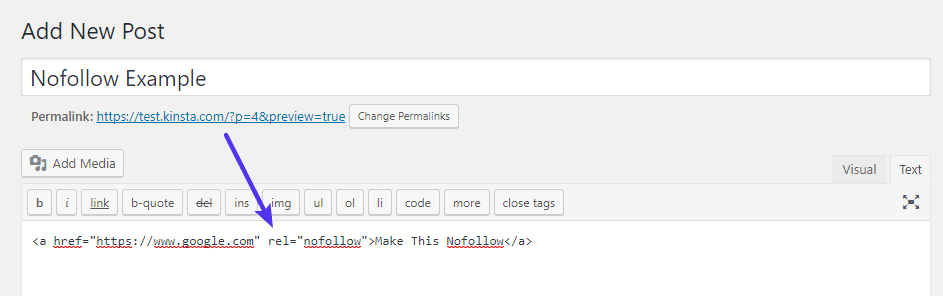
Nofollow is important for links. It tells search engines not to follow the link. This helps in managing spam and untrusted links. Websites often use it in comment sections. This keeps the site safe from bad links. Nofollow links do not pass PageRank. They help control the site’s link profile. Always use it wisely.
Noreferrer is about privacy. It hides the referral information. When someone clicks a link, their previous page is not shown. This keeps user data safe. Many sites use it to protect their users. It also helps in keeping analytics clean. Noreferrer is useful for secure browsing. It is a good practice to use it.
External is used for links that open in a new tab. It tells the browser this link goes outside the current site. This is helpful for user experience. Users do not lose their place on the original site. Always mark links as external when needed. It makes navigation easier. Keep users happy with external links.
Credit: kinsta.com
Seo Implications
The link rel attribute is important for SEO. It tells search engines about the relationship between linked pages. Using it properly can improve site ranking. For example, the rel=”nofollow” attribute tells search engines not to follow a link. This can help manage link juice and control spammy links. On the other hand, the rel=”canonical” attribute helps avoid duplicate content issues. It shows the preferred version of a page. Understanding these attributes is key for better SEO.
There are more link rel types to consider. The rel=”prev” and rel=”next” attributes help with pagination. They tell search engines about the order of pages. This is useful for blogs and articles. Each attribute has a specific role in website optimization. Proper usage can lead to better search engine results.
Best Practices
Link rel in WordPress helps manage relationships between linked documents. It enhances site navigation and SEO. Using it correctly can improve user experience and search engine rankings.
When To Use Nofollow
Use nofollow to tell search engines not to follow a link. This is useful for links that you don’t trust fully. Examples include paid links or comments that might have spam. It helps keep your site’s reputation safe.
Proper Usage Of External
External links go to other sites. Use them when you want to share helpful information. Always check that these links are safe and reliable. This way, your readers get good content. It also builds trust in your site.
Avoiding Common Mistakes
Don’t add too many nofollow links. It can look bad to search engines. Also, avoid linking to sites that are not trustworthy. Always update your links. Sometimes, they can break or lead to bad sites.
Credit: 10web.io
Implementing In WordPress
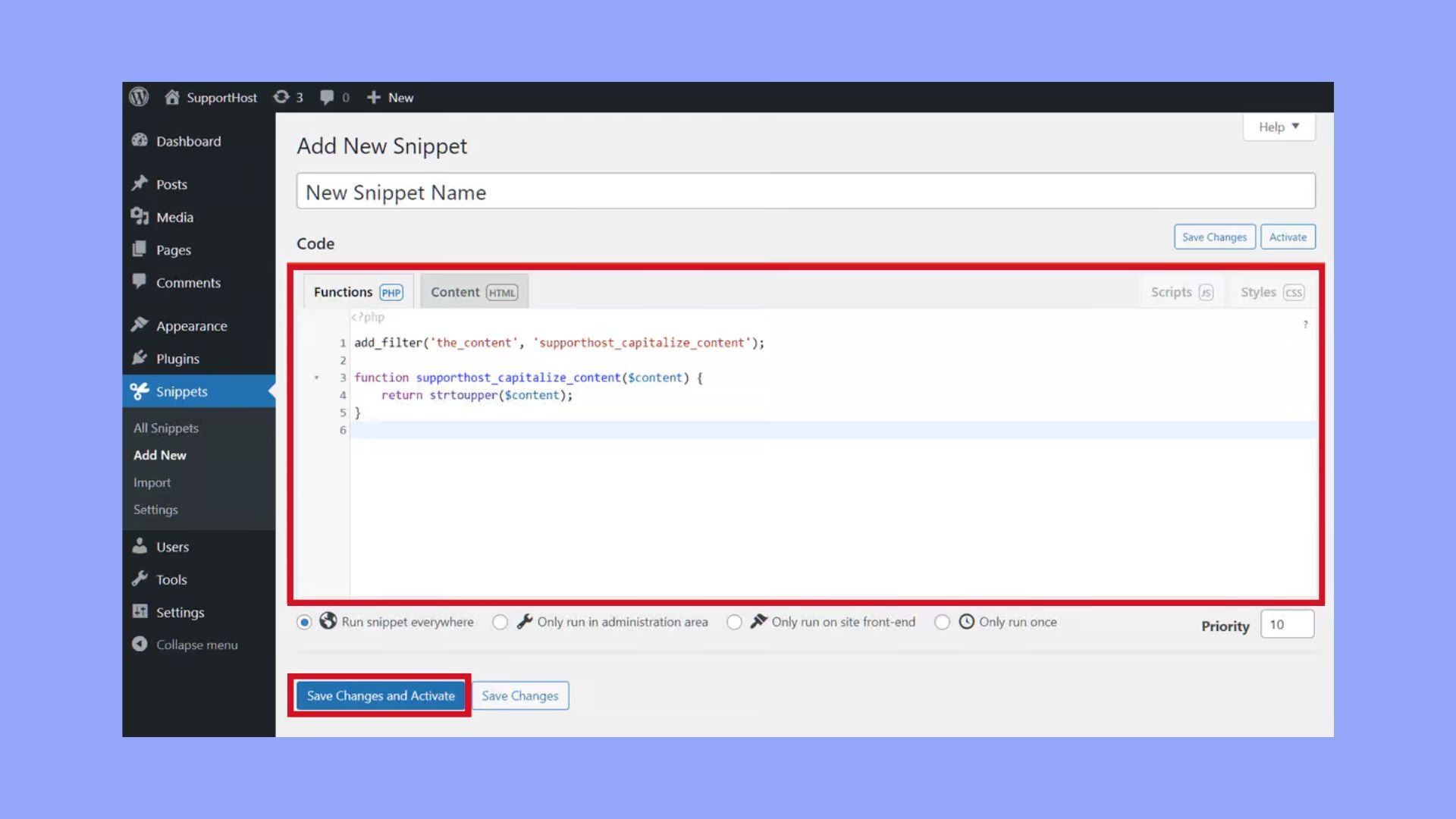
Plugins make adding link rel easy. They handle technical tasks. Popular plugins can automatically set link rel attributes. This ensures links work well. Choose plugins with good reviews. They often have simple settings. You can adjust them to fit your needs. Always update your plugins. This keeps your site secure. It also ensures compatibility with WordPress updates.
Add link rel manually with code. Use the HTML editor in WordPress. This method gives more control. But it needs basic HTML skills. You edit links directly. Check the link rel attribute. This method is more flexible. But it’s easy to make mistakes. Always check your changes. Test your links after editing. This ensures they work correctly.
Troubleshooting Issues
Broken links can confuse visitors. They lead to empty pages. Check your links often. Use tools to find broken links. Fix them quickly. This keeps your site healthy. Broken links affect SEO. They lower your site’s rank. Fixing them improves visibility. Make sure all links work.
Themes may cause conflicts. Some themes ignore link rel settings. This affects site performance. Test themes before use. Ensure compatibility with plugins. Updating themes can solve problems. Keep an eye on theme changes. Choose themes that support your needs. Compatibility is key to a smooth site.
Frequently Asked Questions
What Is The Purpose Of Link Rel In WordPress?
Link rel in WordPress defines the relationship between the current page and the linked resource. It helps search engines understand the connection between pages. This can influence SEO, ensuring proper indexing and relationships between your site’s content. Proper usage can enhance your website’s navigational structure.
How Does Link Rel Affect Seo?
Link rel impacts SEO by controlling how search engines interpret relationships between pages. Proper usage can improve site indexing and authority. For instance, using “nofollow” can prevent search engines from following certain links, while “canonical” can prevent duplicate content issues, both improving your SEO strategy.
Can Link Rel Improve Website Security?
Yes, link rel can enhance website security. By using the “noopener” and “noreferrer” attributes, you can prevent malicious sites from accessing your page’s data. These attributes stop exploitation through links, securing your site from potential threats. This simple adjustment can significantly improve your site’s security posture.
How Do I Add Link Rel In WordPress?
To add link rel in WordPress, use HTML in your theme’s header or a plugin. Plugins like Yoast SEO offer user-friendly interfaces to manage link rel attributes. Alternatively, manually edit your theme’s header. php file to include the desired rel attributes for specific links.
Conclusion
Understanding “link rel” in WordPress is vital for website management. It helps define relationships between linked resources. Using “link rel” correctly can enhance your site’s SEO. It also improves user experience by guiding search engines and browsers. Start implementing “link rel” in your WordPress site today.
This simple step can improve your site’s navigation and SEO performance. Remember, small changes can make a big difference. Stay informed and keep your website optimized. Your site visitors and search engines will appreciate it. Happy blogging!