Imagine opening your WordPress site one day, only to find out that it’s not functioning as it should. You might wonder, “What went wrong?”
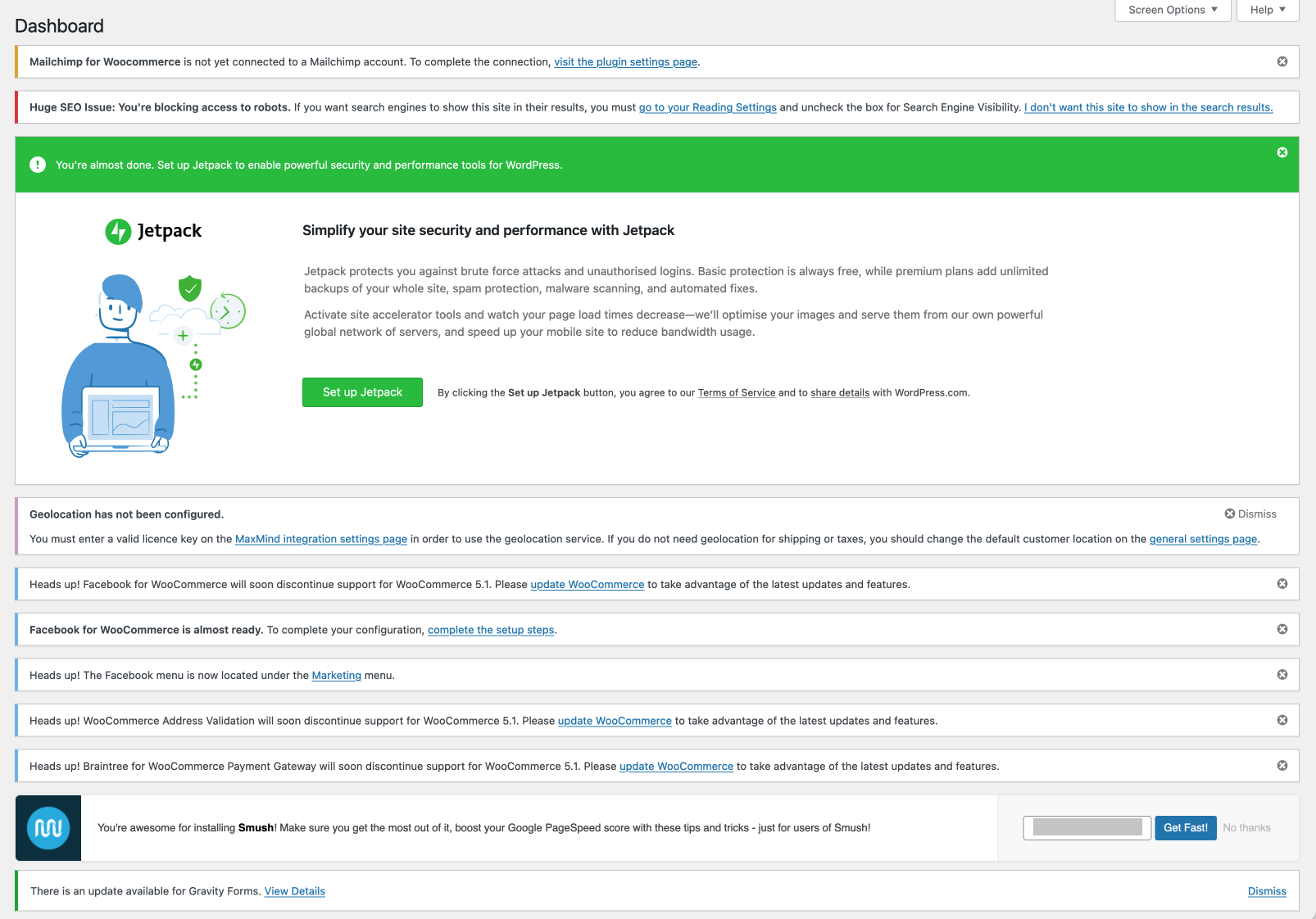
The answer could be as simple as neglected plugin updates. If you’ve ever postponed updating your WordPress plugins, you’re not alone. It’s easy to click ‘remind me later’ and move on with your day. But what if you knew the risks involved?
What if not updating your plugins could harm your site’s security, performance, and even your reputation? In this blog post, we’ll unravel the hidden dangers of outdated plugins and why hitting that update button might be more crucial than you think. Stick around to discover how regular updates can be your site’s best defense and what you can do to ensure your digital presence remains strong and secure.
Credit: spinupwp.com
Importance Of Plugin Updates
Plugins keep your website safe. Old plugins can have security holes. Hackers use these holes to get in. Updating plugins closes these holes. It keeps hackers out. New updates also bring new features. Old plugins might miss these features. You lose out on improvements. Updates can fix bugs too. Bugs make your site slow. They can break things on your site. Fixing bugs helps your site run better.
Plugins often work with other software. If your plugin is old, it might not work well. It can clash with new software. This can break parts of your site. Compatibility is important. Updates keep plugins working smoothly. It keeps your site fast and reliable. Regular updates are smart. They protect your site and keep it up to date.
Security Risks
Not updating plugins can cause problems. Hackers find weak spots easily. Your site becomes an easy target. Old plugins have more holes. These holes are bad for security. They can break your site. Protect your site by keeping plugins fresh.
Malware can sneak into your site. Old plugins invite them in. These sneaky programs can steal data. They can hurt your website. New updates block these threats. Updating keeps bad software away. Your site stays safe and secure.
Performance Issues
Outdated plugins can slow down your WordPress site, causing pages to load slowly. This affects user experience and can lead to higher bounce rates. Regular updates ensure compatibility and security, keeping your site running smoothly.
Slow Website Speed
Old plugins can slow your website. They can make loading times long. Visitors may leave if a site is slow. This can hurt your site’s traffic. Fast websites make users happy. Updating plugins helps keep speed up. New versions are often faster.
Compatibility Problems
Plugins may stop working with new WordPress versions. This can break your site. You might see errors or missing features. Updates fix these problems. New plugins work better with the latest WordPress. Keeping plugins updated keeps your site running well. Without updates, your site might not work right. It can confuse visitors. Regular updates fix bugs and issues.
Functionality Loss
Older plugins may not have new features. New features help your site work better. Without updates, your site may not have the best tools. This can make your site feel old or slow. Many users want fresh and exciting features. They expect sites to be fun and easy to use. Updated plugins bring these features to life. Your site needs updates to stay interesting. This keeps users coming back.
Plugins often work with other tools. These tools help your site run well. Without updates, plugins may not connect right. This can cause broken integrations. Then, parts of your site may stop working. Users may find it hard to use your site. They might leave and not return. Updates fix these problems. They keep everything connected and smooth. It’s important for a happy user experience.
Seo Impact
Ignoring plugin updates in WordPress can lead to security vulnerabilities. Outdated plugins often attract hackers and cause website issues. Regular updates help maintain website performance and security, ensuring a smooth user experience.
Lower Search Rankings
Old plugins can hurt your website’s search rankings. Search engines like updated sites more. They rank updated sites higher. Outdated plugins slow your site down. Slow sites get lower rankings. This means fewer visitors. Fewer visitors means less business.
Negative User Experience
Visitors hate slow websites. They leave fast if pages take long to load. Outdated plugins might break your site. Broken sites confuse users. Confused users might never return. This leads to a bad user experience. Happy users stay longer. They explore more. They might even tell friends about your site.
Credit: www.binarymoon.co.uk
User Experience Concerns
Old plugins can cause design problemsbrand image.
New plugins often fix design issues. They help maintain a smooth look. Updates can ensure everything works well together. This is crucial for keeping visitors happy. A seamless design keeps them engaged. It makes them want to stay longer.
Old plugins might not work well with new features. This can lead to usability problems. Users may struggle to navigate the site. Frustration can lead them to leave. Easy navigation is vital for a positive experience. It helps users find what they need quickly.
Updated plugins often bring new tools. They can improve how users interact with the site. Updates can help fix bugs. They make sure everything runs smoothly. Smooth operation is essential. It keeps users happy and coming back.
Data Loss Risks
Backups can save your work. But backup failures are a big risk. If backups fail, you might lose important data. You might also lose time. Imagine losing your blog posts or images. This can happen if plugins are not updated. Old plugins can cause backup systems to break. So, always check your backups. Make sure they work properly.
Content can get corrupted if plugins are not updated. This means text or images on your site might not show correctly. Sometimes, the entire site might not load. Corrupted content can confuse visitors. It can also make your site look unprofessional. Updating plugins helps keep your site safe. It protects your content from errors. Make sure to update plugins often.
Legal Implications
Not updating WordPress plugins can lead to legal problems. You might face non-compliance with web standards. This can hurt your website’s credibility. Many countries have laws for online businesses. These laws require regular updates. Ignoring updates can be seen as neglect. This might lead to fines or penalties.
Outdated plugins can lead to data breaches. Hackers can easily exploit them. This puts user data at risk. User privacy laws are strict. Websites must protect user data. Violation of these laws can result in heavy fines. Keeping plugins updated helps protect user data. It also avoids legal troubles.
Cost Of Neglect
Old plugins can cause bugs. Bugs need fixing. Fixing costs money. More bugs mean more money spent. Updates often prevent bugs. Updating plugins is cheaper than fixing bugs. Unfixed bugs can break your site. Broken sites need expensive repairs. Repairs can be avoided with updates.
Broken sites lose visitors. Fewer visitors mean less money. Slow sites drive people away. Updates keep sites fast. Fast sites keep visitors happy. Happy visitors buy more. Buying more means more money. Old plugins can cause security risks. Security risks scare visitors. Scared visitors leave. Updates improve security. Improved security keeps visitors safe.
Credit: tropicalcoastwebdesign.com.au
Proactive Update Strategies
Setting up a regular maintenance schedule is very important. It helps keep your website safe. Plugins must be updated often. New updates can fix bugs. They also improve security. A good schedule might be every two weeks. This keeps your site healthy. Always check for new updates.
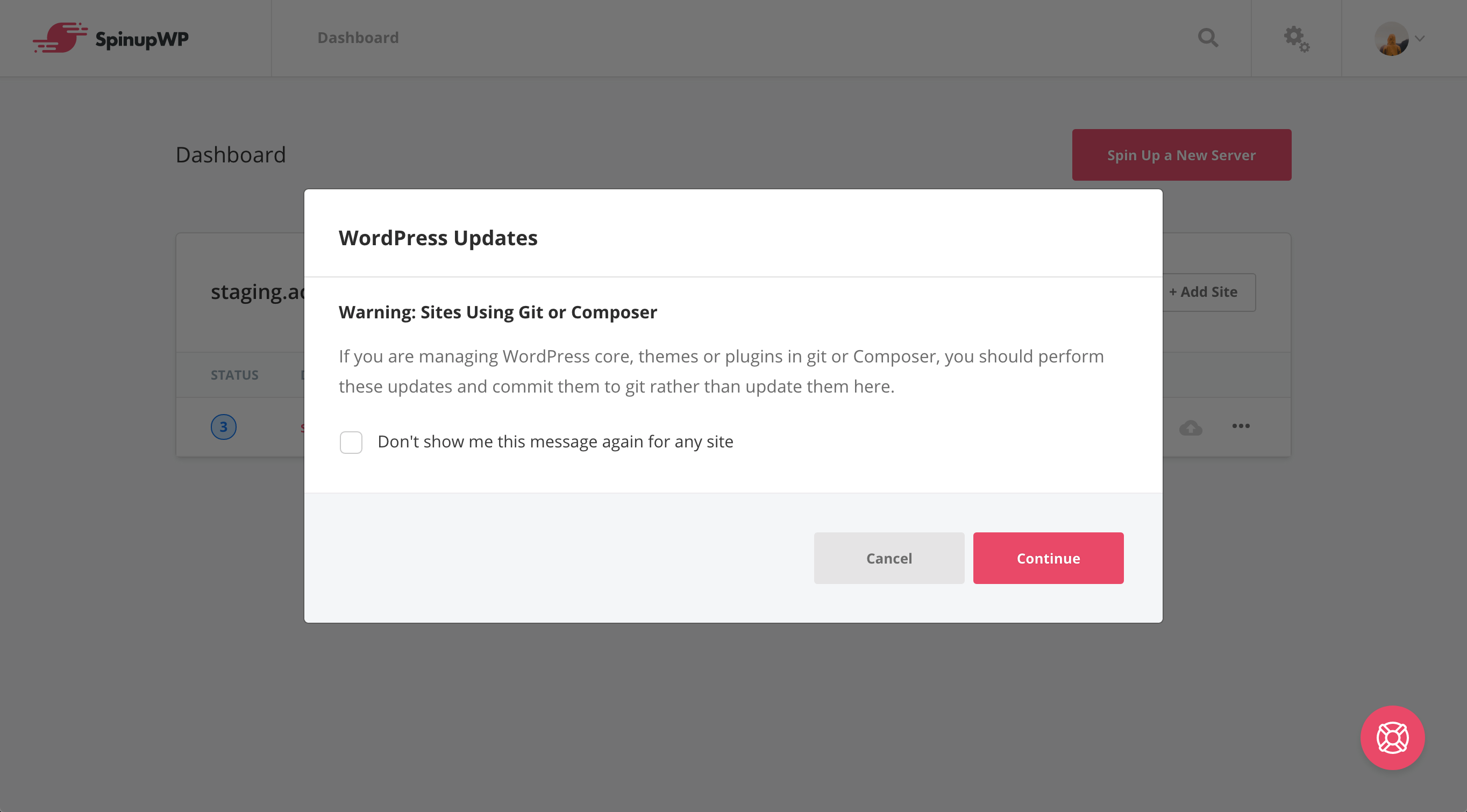
Some tools can update plugins automatically. This makes things easy. These tools check for updates and apply them. You do not have to worry about missing an update. But, be careful. Not all updates are perfect. Sometimes they break things. Always have a backup plan in place. This helps if something goes wrong.
Frequently Asked Questions
What Happens If You Don’t Update WordPress Plugins?
Not updating plugins can lead to security vulnerabilities. Your website becomes an easy target for hackers. It may also cause compatibility issues, leading to broken features or a slow site. Regular updates ensure optimal performance and security.
Can Outdated Plugins Affect Website Speed?
Yes, outdated plugins can slow down your website. They may not be compatible with the latest WordPress version. This leads to increased loading times and poor user experience. Regular updates help maintain fast and efficient website performance.
Are Unupdated Plugins A Security Risk?
Yes, they are a significant security risk. Hackers often exploit vulnerabilities in outdated plugins. This can lead to data breaches and compromised websites. Regularly updating plugins is crucial for maintaining website security.
Do Outdated Plugins Cause Compatibility Issues?
Outdated plugins can cause compatibility issues with other plugins and themes. They may not work well with the latest WordPress version. This can result in broken features or a non-functional website. Updating ensures everything runs smoothly together.
Conclusion
Neglecting plugin updates can harm your WordPress site. Security risks increase. Performance might suffer. Compatibility issues can arise. Regular updates keep your site safe and efficient. They fix bugs and improve functionality. Always prioritize plugin updates. Regular maintenance ensures smooth operation.
Protect your site’s integrity by updating plugins promptly. Your site visitors will enjoy a better experience. Updating plugins can save time and headaches later. Keep your WordPress site healthy and secure. Don’t delay updates. It’s a simple task with big benefits.
Stay proactive and keep your website thriving.