Are you wondering how to make your WordPress site compliant with the GDPR? You’re not alone.
The General Data Protection Regulation, or GDPR, has become a crucial aspect of online privacy, impacting websites across the globe. Whether you’re running a personal blog or a bustling e-commerce site, understanding what WordPress has done for GDPR compliance is vital.
You’ll discover how WordPress has risen to the challenge, implementing tools and features to help you protect your visitors’ data. Imagine having peace of mind, knowing that your website respects privacy laws and builds trust with your audience. Curious to learn more? Let’s dive into the solutions WordPress offers for GDPR compliance, ensuring that your site not only meets legal standards but also enhances user experience. Keep reading to unlock the potential of a GDPR-compliant website!
Gdpr Basics
GDPR stands for General Data Protection Regulation. It protects personal data. Personal data is any data that can identify someone. GDPR has key principles. These principles help keep data safe. Transparency is one principle. It means being clear about data use. Accuracy is another principle. It ensures data is correct. Security is also important. It keeps data safe from harm. Accountability means taking responsibility. Consent means asking before using data. All these principles are important.
GDPR affects many businesses. Businesses must follow rules. They must keep data safe. They need to ask before using personal data. Data breaches can lead to fines. Companies must report breaches quickly. Compliance costs money. Businesses need to train staff. They must update systems. GDPR has made businesses more careful. It has changed how they handle data. Trust in businesses can grow. Customers feel safer with their data.
WordPress And Gdpr
WordPress faced many challenges with GDPR. Website owners needed to ensure data protection. They had to manage user consent carefully. This required new plugins and updates. Developers worked hard to create solutions. Some users found it confusing. They needed help to understand these changes. Privacy policies had to be clear. It was important to follow the rules. Mistakes could lead to fines. Websites had to be quick in adapting. This was a big task for many.
WordPress introduced tools for GDPR compliance. These tools help websites manage personal data. They allow users to access their data. Users can also request data deletion. It’s easier now for website owners. They can generate privacy policies easily. These tools make compliance simpler. Website owners feel more secure. They know they follow the rules. Regular updates keep these tools effective.
Privacy Features
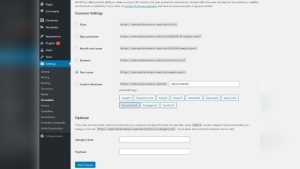
WordPress introduced privacy tools to aid GDPR compliance. Users can manage personal data requests efficiently. It offers settings to create privacy policies easily.
Data Handling Improvements
WordPress has improved how it handles data. User data is now more secure. It has tools to help protect personal information. These tools follow GDPR rules. They keep user data safe. It also offers easy ways to export data. Users can see their data whenever they want. This makes data handling clear. It helps users trust the site more. The privacy policy is now more detailed. It explains how data is used. This makes it easier for users to understand.
Consent Management
Consent management is important for user privacy. WordPress has better tools for managing consent. Users can choose what data to share. They can change their choices anytime. This gives users control over their data. Cookies need user approval now. Sites must ask before using cookies. This helps protect user privacy. Users can feel safe knowing they have control. Consent forms are clear and simple. They explain what data is collected. This helps users make informed choices.

Credit: www.wpbeginner.com
Plugins For Gdpr Compliance
WordPress offers plugins to help sites follow GDPR rules. These plugins manage user data safely. Each plugin has special features. Some plugins focus on cookie consent. Others help with privacy policies. Many plugins let users control their own data. This is very important for GDPR.
| Plugin Name | Feature |
|---|---|
| GDPR Cookie Consent | Manages cookie consent |
| WP GDPR Compliance | Data control tools |
| Privacy Policy Generator | Creates privacy policies |
| GDPR Tools | Supports user data management |
Each plugin supports different GDPR tasks. Choose the right one for your needs. Some plugins are free. Others may cost money. Decide based on your site’s size and needs. Always check plugin ratings and reviews. This helps you find the best plugin.
User Rights
Users can see their data easily. WordPress tools help with this. They give users control. Users can ask for their data. WordPress makes this simple. Accessing data is fast. This helps users feel safe. Knowing what data they have is important. WordPress offers reports. These reports show user data. They are easy to read. Users can understand them. WordPress supports user rights.
Users can remove their data. WordPress has tools for this. Erasing data is quick. WordPress makes it simple. Users ask for data removal. WordPress does it fast. This helps with privacy. Data erasure is important. Users feel safe with this option. WordPress supports this need. Users have power over their data. They control what stays or goes. WordPress respects user rights.
Credit: melapress.com
Security Enhancements
WordPress uses strong encryption techniques to protect data. This keeps user data safe from hackers. Data like passwords are stored securely. Strong encryption makes it hard to read data without a key.
Websites using WordPress are safer now. Users feel more secure. They trust websites that protect their data. Websites can follow GDPR rules better with these techniques.
WordPress gets regular updates to improve security. These updates fix security holes. Developers work hard to keep it safe. Websites using WordPress stay protected.
Updates are easy to install. Users get alerts when new updates are ready. Keeping WordPress updated is important. It protects both users and website owners. With regular updates, WordPress stays strong against threats.
Challenges In Implementation
Many websites struggle with GDPR rules. Data collection is a big issue. Websites often store too much data. This can lead to trouble. User consent must be clear. Some sites forget this. Privacy policies are often hard to find. Users get confused. Websites must also check third-party tools. These tools may not follow GDPR rules. Mistakes happen when sites don’t check updates. GDPR rules change often. Staying updated is a must.
Clear steps help with GDPR. Limit data collected. Only store what is needed. Get clear consent from users. Use simple words. Make privacy policies easy to find. Check third-party tools. Ensure they follow GDPR. Update policies and tools regularly. This keeps sites safe. Train staff on data protection. Everyone should know the rules. Use data protection officers for big sites. They help keep everything in line.

Credit: formidableforms.com
Future Developments
WordPress enhanced GDPR compliance by introducing tools for data management and privacy. Users gained control over their data. These changes helped websites meet European privacy standards, ensuring better protection and transparency.
Upcoming Regulations
GDPR continues to shape online practices. New rules might come soon. Businesses should stay informed about these changes. WordPress needs updates to meet new regulations. It should offer tools for data protection. Users demand more privacy features. Compliance is crucial for success. Businesses can face fines for non-compliance. WordPress should focus on safety. It must adapt quickly to new rules.
Technological Advancements
Technology is growing fast. New tools help with data management. WordPress can use these tools to improve. Better security features can protect user data. Automation can simplify compliance tasks. Plugins can offer more features for privacy. Users want easy ways to control their data. Innovation will drive future updates. WordPress should aim to integrate new tech. This will help meet GDPR needs.
Frequently Asked Questions
How Does WordPress Handle Gdpr Compliance?
WordPress provides tools to help site owners comply with GDPR. It includes features like data export and erasure requests. Additionally, WordPress offers privacy policy guidance and plugin support for GDPR compliance. Users can manage and control personal data efficiently using these tools.
What Gdpr Features Are Built Into WordPress?
WordPress has built-in GDPR features such as data access, erasure requests, and privacy policy templates. These tools help site owners manage user data responsibly. It also ensures compliance with GDPR regulations. Plugins can further enhance these features for specific needs.
Are WordPress Plugins Gdpr Compliant?
Many WordPress plugins offer GDPR compliance features. They help in managing consent, cookies, and data privacy. However, it’s crucial to verify each plugin’s compliance individually. Site owners should check plugin updates and documentation. This ensures they meet GDPR requirements consistently.
How Can I Make My WordPress Site Gdpr Compliant?
To make a WordPress site GDPR compliant, start with a clear privacy policy. Use WordPress’s built-in tools for data requests. Implement necessary plugins for cookie consent and data protection. Regularly update your site and plugins to ensure ongoing compliance with GDPR regulations.
Conclusion
WordPress has played a key role in GDPR compliance. It offers essential tools and features. These help websites manage user data responsibly. Website owners can easily implement privacy policies. Data breaches and legal issues are minimized. Users gain more control over their personal information.
Trust between sites and users strengthens. Adopting these practices is crucial. It ensures compliance with global privacy standards. WordPress remains a valuable platform for businesses. Its commitment to data protection is evident. Ensuring privacy respects both users and regulations. With WordPress, achieving GDPR compliance becomes simpler.
Websites can confidently serve their audiences.