Imagine you’re in the middle of updating your WordPress site, excited to share new content with your audience, and then—bam! You’re hit with an HTTP error.
Your heart sinks, and frustration kicks in. You’ve probably asked yourself, “What does HTTP error mean in WordPress? ” You’re not alone. Many users encounter this puzzling error, and it can be a real roadblock. But don’t worry; this is where you turn confusion into clarity.
Understanding the HTTP error can save you time, headaches, and keep your site running smoothly. We’ll dive into what these errors mean and how you can fix them, ensuring your website remains a seamless experience for both you and your visitors. Ready to reclaim control of your WordPress site? Let’s get started!
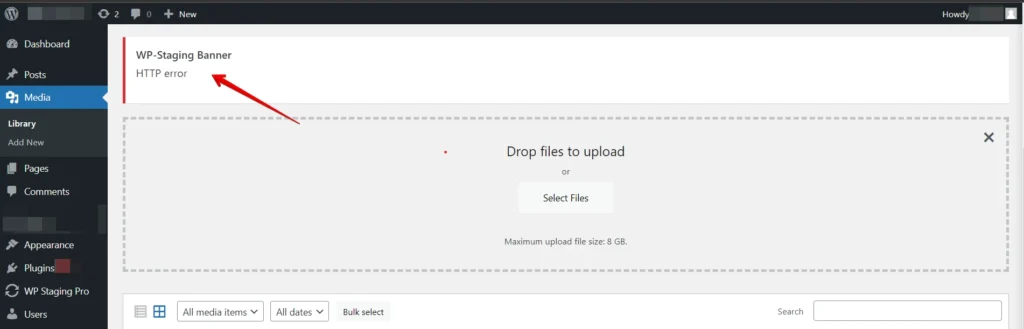
Credit: wp-staging.com
Http Error In WordPress
The HTTP error in WordPress can be confusing. This error often happens when uploading images. It shows when the server has a problem. Sometimes, the file is too large. Other times, it’s a server timeout. Fixing it is important for a smooth website.
Many things cause this error. A common reason is low memory limit. Plugins can also clash. These conflicts create problems. A poor internet connection can lead to this issue. Always check your connection.
Increase the memory limit to fix the error. Disable conflicting plugins one by one. This helps find the problem. Use a different browser. Sometimes, this simple step works. Regularly update WordPress and plugins to avoid issues.
Credit: kinsta.com
Common Causes Of Http Errors
Sometimes, the server settings are not correct. This can cause HTTP errors. A server might be too slow. Or it might not have enough power. These problems can make your website not work.
Plugins add features to your site. But they can cause problems too. One plugin might not get along with another. This can cause your site to break. Disabling plugins can help find the problem.
Themes change how your site looks. But some themes have bugs. These bugs can cause errors. Try using a different theme. This might fix the issue.
Websites need memory to run. Sometimes they use too much. This can cause memory errors. Your site will stop working. Increasing memory can help fix this.
Identifying Http Error Codes
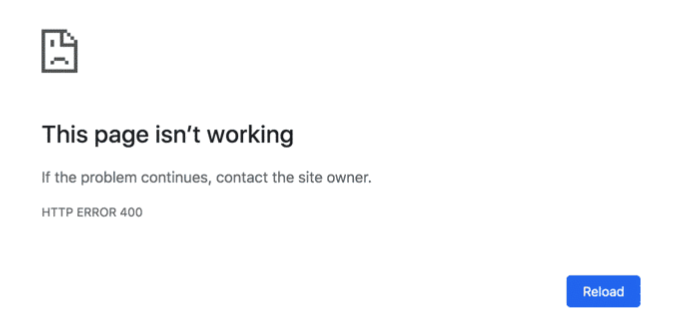
Client errors occur when something is wrong on your side. These are 4xx errors. The most common is 404 Not Found. This means the page is missing. Then there’s 403 Forbidden. You can’t access the page. 401 Unauthorized means you need to log in. Lastly, 400 Bad Request. Your request is wrong or broken.
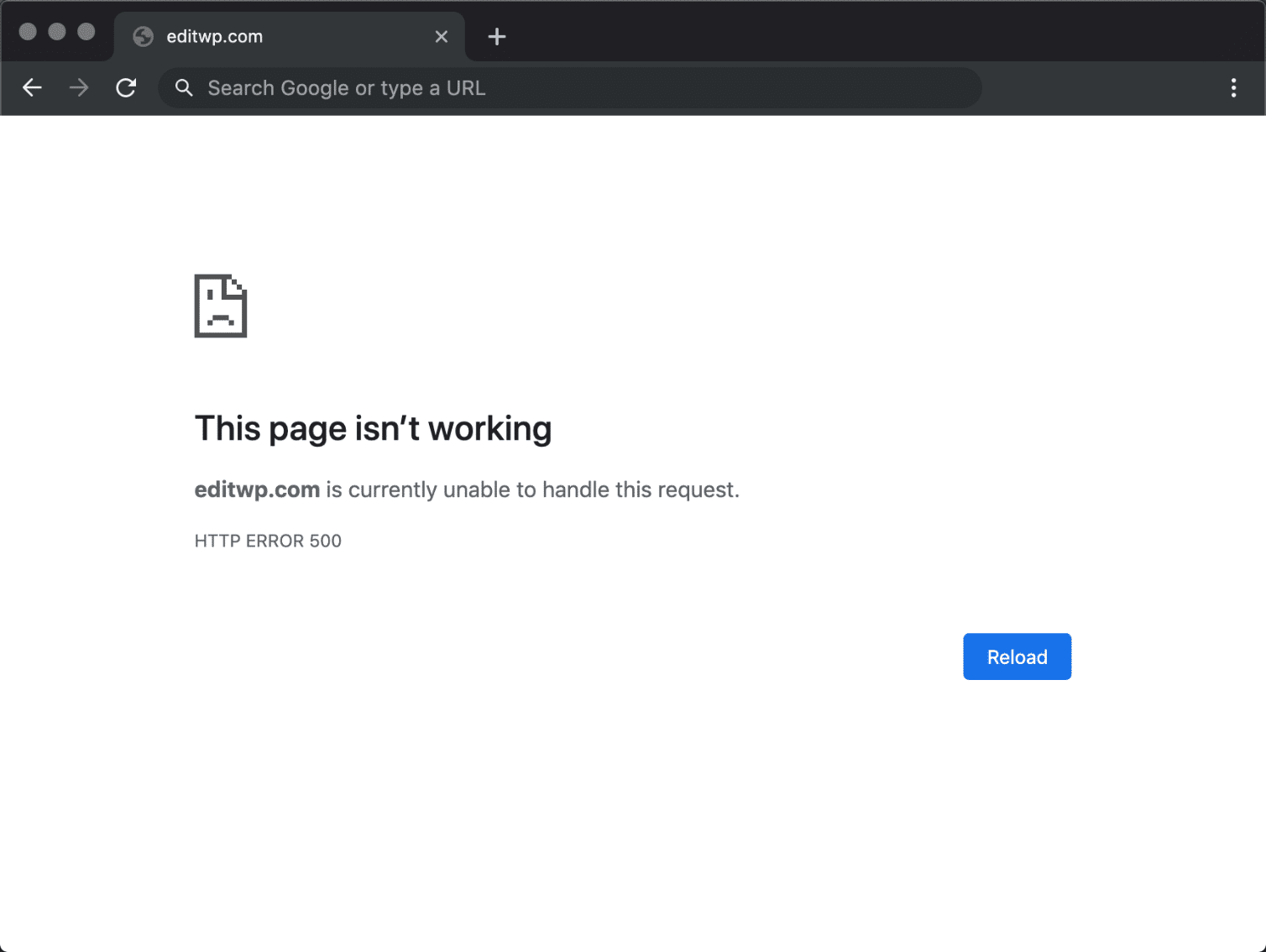
Server errors are on the website’s side. These are 5xx errors. 500 Internal Server Error is very common. The server is confused. 502 Bad Gateway is another. The server got a bad response. 503 Service Unavailable means the server is busy. 504 Gateway Timeout means a slow server response.
Troubleshooting Steps
Check the server logs for error messages. These logs show what went wrong. Look for patterns or repeated errors. They might tell you what to fix. Sometimes, the logs show issues with file permissions. Other times, they point to server overloads. Use this information to help solve the problem.
Plugins can cause errors. Start by deactivating all plugins. Check if the error disappears. If it does, one of the plugins is the cause. Reactivate each plugin one by one. This helps find the problem plugin. Once found, update or replace it to fix the issue.
Themes might also cause errors. Switch to a default theme like Twenty Twenty-One. See if the error is gone. If yes, your theme might be the problem. Check for theme updates. Or consider using a different theme. This can solve the issue.
Sometimes, errors need more memory. Increase the memory limit in the wp-config.php file. Find the line that says ‘memory_limit’. Change it to a higher number like ‘128M’. This gives WordPress more power to run. It might fix the error.
Preventive Measures
Keeping WordPress up-to-date is crucial. Updates fix bugs and issues. They make your site more secure. Always update plugins and themes. Use the latest version of WordPress. Set automatic updates for ease.
Ensure your server is configured well. Check PHP and MySQL versions. They must meet WordPress requirements. Proper configuration helps avoid errors. Use a reliable hosting provider. They should offer good support.
Regularly check your site’s performance. Slow sites can lead to errors. Use tools to monitor speed. Pay attention to loading times. Optimize images and scripts. A fast site keeps users happy.
Credit: wp-umbrella.com
Resources For Further Assistance
WordPress Support Forums are a great place for help. Many users share solutions and tips. You can ask questions and get answers quickly. It’s free and easy to use. Perfect for beginners.
Hosting Provider Help can solve many issues. They have experts who know WordPress well. You can contact them via chat or phone. They help with server problems and errors. Reliable and fast support.
Professional WordPress Developers offer advanced help. They fix complicated errors and improve your site. It’s not free but very effective. You can hire them for long-term support. Best for big projects.
Frequently Asked Questions
What Causes Http Error In WordPress?
HTTP errors in WordPress usually occur due to server-related issues. Common causes include memory limits, server configuration, or plugin conflicts. They can also arise from corrupted files or incorrect permissions. Identifying the exact cause requires checking server logs, reviewing recent changes, and ensuring all plugins and themes are updated.
How To Fix Http Error In WordPress?
To fix HTTP errors, start by deactivating plugins or themes recently installed. Increase memory limits in WordPress settings. Check server configurations and permissions. Ensure your WordPress version is updated. If issues persist, contact your hosting provider for further assistance or consult a WordPress expert.
Can Plugins Cause Http Errors In WordPress?
Yes, plugins can cause HTTP errors in WordPress. Conflicts with other plugins or themes can lead to server issues. Outdated plugins may not be compatible with the current WordPress version. Disabling problematic plugins can often resolve these errors, helping restore normal functionality to your site.
Are Http Errors Common In WordPress?
HTTP errors are relatively common in WordPress, especially during uploads or updates. They often stem from server issues, plugin conflicts, or incorrect settings. Regular maintenance, updates, and monitoring can help minimize these errors. Proactively addressing server and configuration issues can prevent them from affecting your site.
Conclusion
Understanding HTTP errors in WordPress can improve your website experience. These errors often stem from server issues, plugins, or themes. Regularly updating your WordPress setup is crucial. This prevents most error occurrences. Consult your hosting provider for persistent problems. Remember, maintaining a healthy website ensures visitor satisfaction.
A smooth-running site keeps users engaged longer. Implementing these tips can help reduce future HTTP errors. Happy blogging!