Are you trying to build your WordPress website but feeling a little confused about what exactly a “Page” is? You’re not alone.
Many beginners find themselves scratching their heads, wondering how a page differs from a post, and why it’s important. Understanding this can be the key that unlocks the full potential of your site. Imagine having a website where every piece of information is perfectly organized, making it easy for your visitors to navigate.
This blog post will guide you through what a Page in WordPress is, why it’s essential, and how it can elevate your website to the next level. Stick around, and you’ll gain insights that could transform your website into a user-friendly haven that keeps visitors coming back.

Credit: www.greengeeks.com
Defining Pages In WordPress
A WordPress Page is a type of content. It is used for static information. Pages include details like About Us or Contact. They are different from posts. Posts are for news or updates. Pages do not change often. Pages do not show dates or authors.
Pages can be organized. You can set a parent page. This creates a hierarchy. For example, a “Team” page can have “Managers” as a child page. Menus use pages to create navigation. Users find information easily this way. Pages help keep your site neat and tidy.
Pages Vs. Posts
In WordPress, a page serves as a static content holder, ideal for timeless information like “About” or “Contact. ” Unlike posts, pages don’t appear in chronological order and are not part of a blog feed, making them perfect for essential, unchanging content on your website.
Key Differences
Pages and posts are different in WordPress. Pages are for static content. They don’t change often. Examples include the About or Contact page. Posts are for dynamic content. They appear in a blog format. Posts are time-sensitive. Pages are not. Pages do not have a published date. Posts do. Pages are hierarchical. You can have parent and child pages. Posts are organized by categories and tags. Pages do not use these.
Use Cases For Pages
Pages are great for important information. You might use a page for your company’s history. Or for your team members. Pages work well for a services page. Or for a portfolio. Use pages for policies. Like privacy or terms of service. They help keep important info in one place. Pages are not for news. Or for updates. Use posts for those.
Creating A New Page
Access the WordPress dashboard first. Look for the Pages option in the sidebar. Click on it to see the list of pages. To start a new page, select the Add New button. This will open the Page Editor. Here, you can create your new page. Make sure to save your work often.
You can add text by typing in the editor. Use the toolbar to make text bold or italic. Add images by clicking on the Add Media button. You can also insert links to other pages. Don’t forget to give your page a title. This helps others find it easily. After adding content, click Publish to make the page live.
Customizing Page Layouts
WordPress pages provide a platform for displaying static content, unlike posts that are frequently updated. Customizing page layouts allows users to personalize their site’s appearance, ensuring a unique visitor experience.
Using Page Templates
WordPress offers page templates to change the look of your pages. These templates help make your page unique. Some templates are simple, some are fancy. You can pick the one you like. To use a template, go to your page settings. Find the template option. Choose the template you want. Your page will change to match the template. This way, you can make your page look special. Templates are great for customizing your site without coding. They save time and effort. You can switch templates anytime you want.
Incorporating Widgets And Shortcodes
Widgets and shortcodes add fun stuff to your pages. Widgets can be placed in sidebars or footers. They show information like recent posts or calendars. Shortcodes are tiny pieces of code. They add features like contact forms or galleries. You place shortcodes in your page content. Widgets and shortcodes make pages more engaging. They are easy to use. Find them in the WordPress menu. Drag widgets to the spot you want. Copy shortcodes to your page. Your page gets new features fast.
Seo Best Practices For Pages
Page titles must be clear and simple. Use words your audience knows. Keep it short, under 60 characters. Descriptions should be engaging. Tell readers what the page is about. Use active words. Keep it under 160 characters. This helps search engines find you.
Permalinks are the page links. They must be clean and easy to read. Use hyphens to separate words. Avoid using numbers or special characters. Simple permalinks help users and search engines.

Credit: www.elegantthemes.com
Common Page Management Tasks
WordPress pages are static content, ideal for timeless information. Tasks include creating, editing, and organizing page hierarchy. Users manage visibility and SEO settings, ensuring content is accessible and optimized.
Editing And Updating Pages
Editing pages in WordPress is easy. Click on the page you want to edit. Make changes using the editor. You can add images, text, or links. It’s simple to update pages as needed. Saving changes is important. Click the “Update” button to save. This keeps your page fresh and accurate.
Organizing Pages With Parent And Child Structures
WordPress allows page organization with parent and child structures. A parent page can have child pages under it. This helps in organizing content neatly. Parent pages act like main categories. Child pages are sub-topics. For example, a “Food” page can have “Fruits” as a child page. This structure helps users find information easily.
Troubleshooting Page Issues
A page in WordPress is a static content type used for timeless information, like ‘About Us’ or ‘Contact’. Unlike posts, pages don’t appear in blog timelines and are often used for essential site sections. Troubleshooting issues with pages involves examining settings and plugins that might affect visibility or functionality.
Resolving Common Errors
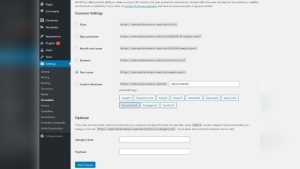
Pages can sometimes show errors. Common errors include 404 not found or 500 internal server errors. To fix these, check your page URL first. Ensure it is correct and has no typos. Also, check your permalinks settings. Go to Settings > Permalinks in WordPress. Save changes to refresh them. If problems persist, deactivate plugins one by one. Sometimes, plugins cause conflicts. Update WordPress and all plugins regularly. New updates fix many issues.
Ensuring Page Visibility
Pages should always be visible to all users. Check your page’s visibility settings. Go to the page editor in WordPress. Ensure the page is set to public. Private pages are not visible to others. Also, check if pages are added to menus. Go to Appearance > Menus. Include your page in the main menu for easy access. Use the SEO plugins to help your pages be found online. They improve your page’s search visibility.

Credit: wordpress.org
Frequently Asked Questions
What Is A Page In WordPress?
A page in WordPress is a static content type used for timeless information. Unlike posts, pages do not include date stamps. They are ideal for content like contact details or service descriptions. Pages help organize and display essential information on your website, enhancing user navigation and experience.
How Do Pages Differ From Posts?
Pages differ from posts in WordPress by being static and timeless. Posts are typically chronological and updated regularly. Pages are for permanent content, like “About” sections. They don’t have tags or categories, unlike posts, which are often organized by them.
Pages focus on delivering consistent information.
Can I Have Multiple Pages On WordPress?
Yes, WordPress allows you to create multiple pages for different purposes. Each page can contain unique content, serving specific functions. You can create pages for services, contact information, or product details. This flexibility helps organize your website and improve user navigation and engagement.
How Do I Create A Page In WordPress?
To create a page in WordPress, go to your dashboard. Click “Pages” and then “Add New. ” Enter your page title and content. Use the editor to format text and add media. Once satisfied, click “Publish” to make it live.
This process is simple and intuitive for all users.
Conclusion
Understanding pages in WordPress is essential for website success. Pages help organize content efficiently. They provide structure and order. Unlike posts, pages are static. Perfect for timeless content. Setting up pages is straightforward. Customize them to fit your needs. Use pages for About Us, Contact, and more.
Remember, pages enhance user experience. They make navigation easier. Visitors find information quickly. This boosts engagement and satisfaction. So, start creating pages today. Make your WordPress site user-friendly and professional. Pages are crucial for every WordPress site. Embrace their potential.
Enjoy a well-organized website.