Imagine building your dream website. You want it to be easy to manage, flexible, and powerful.
Here’s where WordPress comes in. Have you ever wondered why so many people choose it? You’re not alone. Knowing what percentage of websites use WordPress might surprise you. It reveals a lot about its popularity and reliability. By understanding these numbers, you can make smarter decisions for your own site.
Keep reading to uncover the facts and see why WordPress could be the perfect fit for your online presence.
WordPress Dominance In The Web
WordPress powers over 40% of all websites worldwide. It is the most popular platform for building sites. People love it for its ease of use. Even beginners can create a site with WordPress. Many businesses trust WordPress for their online presence.
Many plugins make WordPress flexible. Themes help customize site design easily. It is free to use, which attracts many users. The community offers support and updates. These features make WordPress a top choice.
Small businesses like WordPress for its cost-effectiveness. Easy setup helps small businesses start online quickly. They can sell products or share news using WordPress. Small businesses find it easy to manage and grow their sites.
Historical Growth Of WordPress
WordPress started in 2003. It was a simple blog tool. Over the years, it grew fast. Web developers liked it. They found it easy to use. Many sites began using it. By 2011, WordPress was powering 13% of websites. This number kept growing. By 2015, it was 25%. Today, more than 40% of websites use WordPress.
Why did it grow so much? Plugins make adding features easy. Themes help with design. Users can create sites without coding. This makes WordPress popular. It is a big part of the web now.
Current Market Share
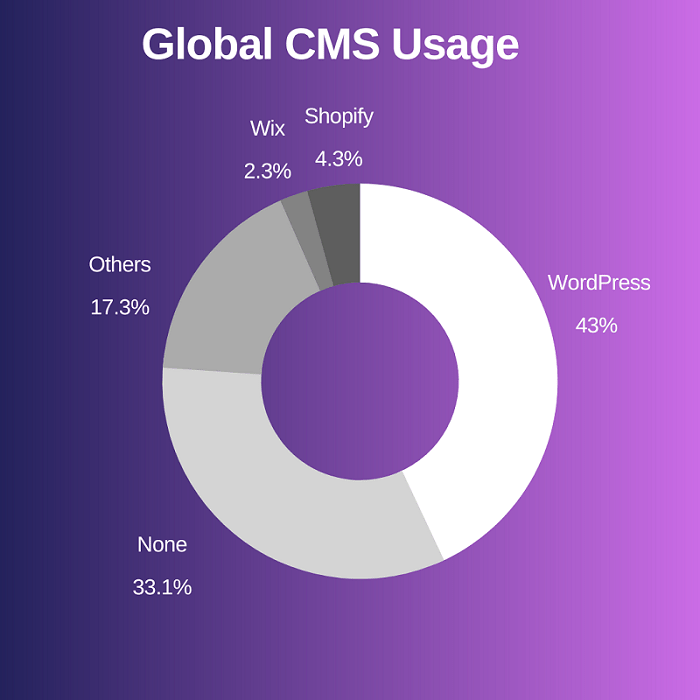
WordPress powers 43% of all websites today. It is a popular choice. Many people choose WordPress because it’s easy to use. It helps create blogs, shops, and more. The platform is also free. This makes it attractive for beginners.
Other platforms include Shopify, Joomla, and Squarespace. They have smaller shares. These platforms focus on specific needs. For example, Shopify is great for online stores. WordPress, however, can do many things. This flexibility is a big reason for its popularity.
Website builders like Wix and Weebly also exist. But they don’t match WordPress’s reach. They are user-friendly, yet have limits. WordPress offers more customization. This makes it the favorite tool for many.
Credit: siteefy.com
Reasons For Popularity
WordPress is easy for beginners. No coding is needed to start. The dashboard is simple and clear. You can add pages and posts easily. Managing settings is simple too. WordPress makes creating a website fun and easy.
WordPress offers many themes and plugins. You can change your website’s look. Add features with a few clicks. No coding skills are required. Create a unique website that fits your needs.
A large community supports WordPress. Many forums and groups exist online. You can find answers quickly. Free tutorials and guides are plentiful. People share tips and help each other. WordPress grows with this strong community.
Comparison With Other Cms Platforms
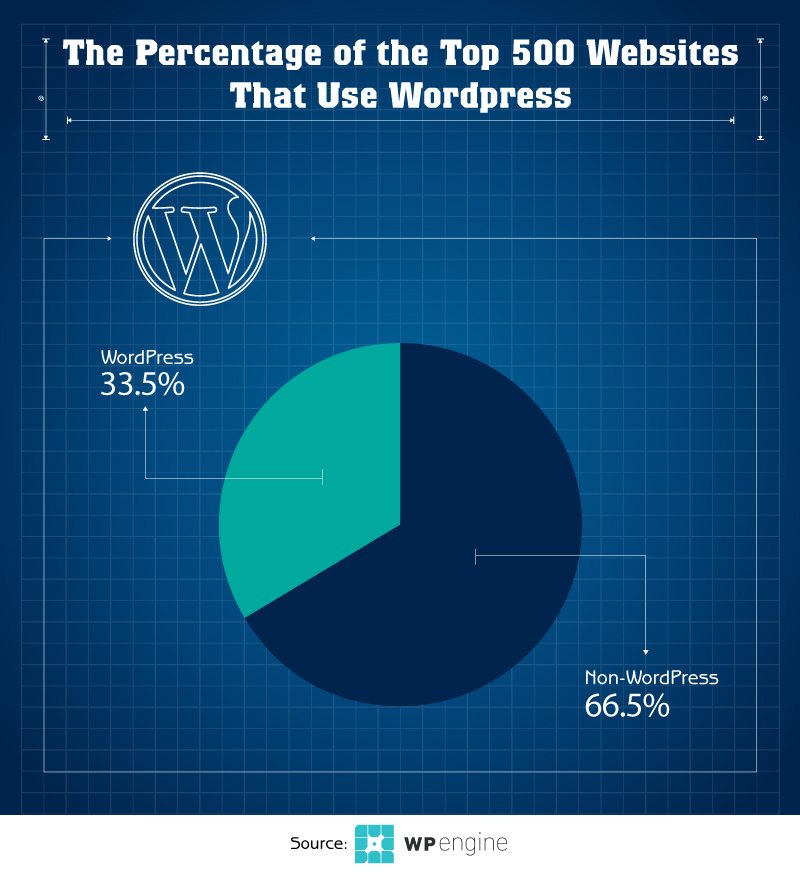
Joomla is a popular CMS. It holds a smaller share than WordPress. Many choose it for its flexibility. It suits complex sites. Developers enjoy its features. Beginners find it hard to use. Joomla powers many websites. Yet, fewer than WordPress.
Drupal is strong and secure. Large organizations prefer it. It handles big and complex sites well. Many developers love it. It’s less popular than WordPress. Learning Drupal is tough. It’s not ideal for beginners. Few websites use Drupal.
Squarespace is a design-focused CMS. It’s easy for beginners. Many use it for beautiful sites. It is less powerful than WordPress. Squarespace has fewer users. It offers limited flexibility. Businesses love its design tools. Squarespace sites look great.
Wix is another simple CMS. It’s very easy to use. Many choose it for small sites. Wix is less popular than WordPress. It suits beginners well. Drag-and-drop features are nice. But, it lacks deep customization. Wix is great for small projects.
Credit: wpengine.com
Impact On Web Development Industry
WordPress is a big player in web development. Many websites use it. It is free and easy to use. This makes it popular among developers. Small businesses love WordPress. It helps them build websites quickly. Big companies also use WordPress. It offers many plugins and themes. This gives them a lot of choices.
Developers can create custom websites with WordPress. They can add many features. This helps websites stand out. Learning WordPress is simple. Many people can start building websites fast. It has changed how websites are made. Developers now focus on customizing, not coding from scratch.
Future Trends
WordPress powers about 40% of all websites worldwide. Its user-friendly interface attracts businesses and bloggers alike. As digital presence grows, WordPress continues to dominate the web development landscape.
Emerging Technologies
New technologies are changing websites. Many websites use WordPress today. WordPress is easy to use. It helps people build websites. But new tools are coming. Some tools use artificial intelligence. AI can make websites smarter. It can help with design. It can also help with content. AI might change how websites work. Some people like this change. Others are unsure. Change can be hard. New tech needs to be tested. But it can bring new ideas. It can make websites better. Watching these changes is important.
Potential Challenges
Challenges exist for websites. Keeping data safe is one challenge. Hackers can attack websites. They can steal data. Protecting data is important. Another challenge is speed. Slow websites lose visitors. Fast websites do better. Websites need to work on phones. Many people use phones to browse. A good website works on all devices. This is called responsive design. Keeping up with changes is hard. Technology changes fast. Websites need to update often. This can be tough. But it is necessary for success.
Credit: colorlib.com
Frequently Asked Questions
What Percentage Of Websites Use WordPress?
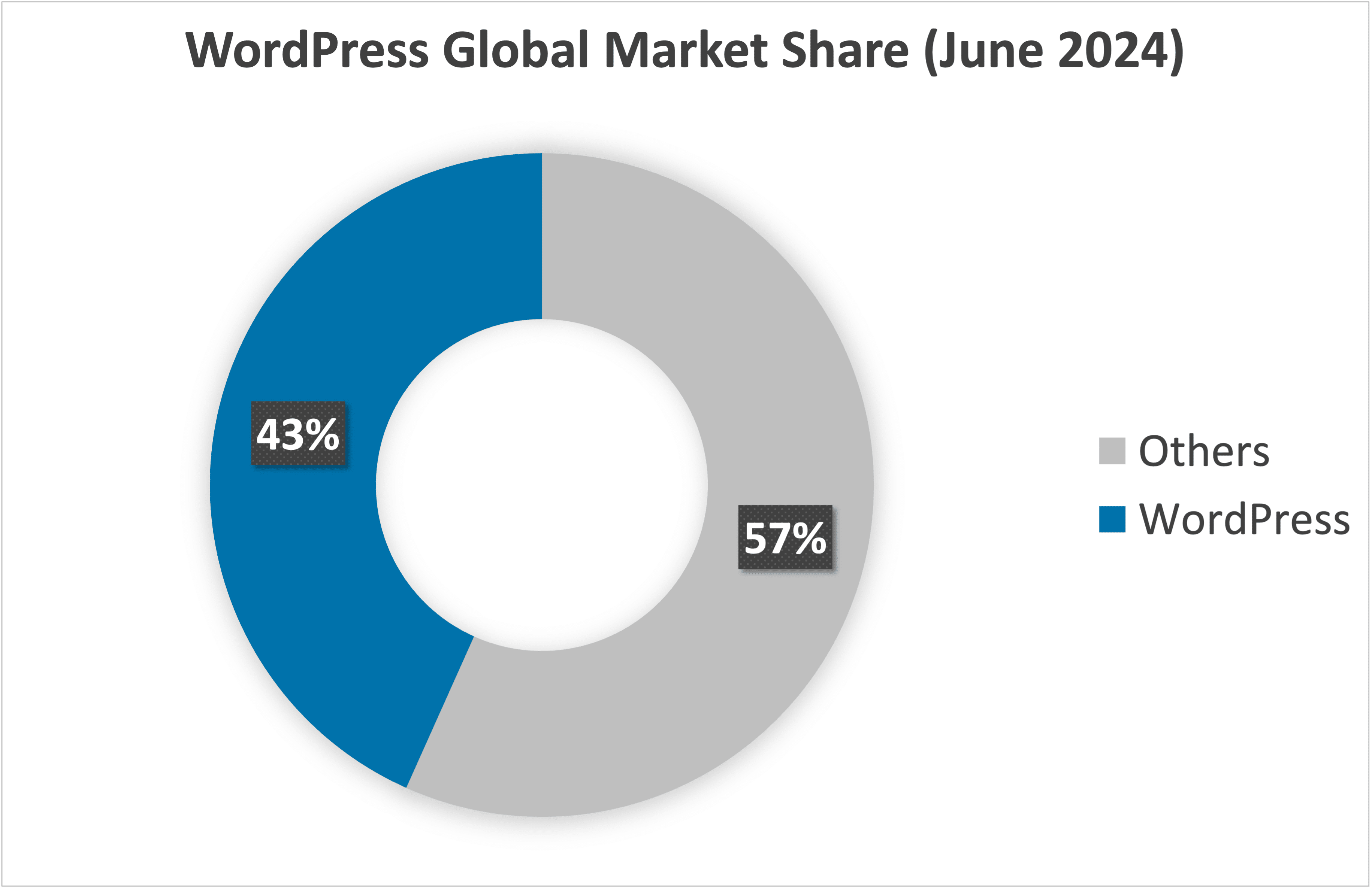
As of 2023, approximately 43% of all websites use WordPress. This makes it the most popular content management system globally. Its user-friendly interface and extensive plugin ecosystem contribute to its widespread adoption. WordPress continues to dominate the market due to its flexibility and ease of use.
Why Do So Many Websites Choose WordPress?
Websites choose WordPress for its flexibility, ease of use, and vast plugin options. It’s an open-source platform, allowing for extensive customization. Additionally, WordPress offers robust SEO capabilities and a supportive community. These features make it an ideal choice for beginners and experienced developers alike.
Is WordPress Suitable For All Types Of Websites?
Yes, WordPress suits all types of websites, from blogs to e-commerce. Its versatile design accommodates various functionalities. With countless themes and plugins, it can be tailored to specific needs. Whether for personal use or large businesses, WordPress offers scalable solutions for diverse requirements.
How Secure Is A WordPress Website?
WordPress websites can be very secure with proper measures. Regular updates, security plugins, and strong passwords enhance protection. It’s crucial to monitor and maintain security features. Many websites successfully use WordPress while keeping their data safe. Adhering to best practices ensures robust security for WordPress sites.
Conclusion
WordPress holds a strong position in web development. Its user-friendly interface attracts many website owners. That’s why it powers a significant portion of websites globally. This popularity stems from its flexibility and ease of use. Small businesses and bloggers find it convenient.
Large enterprises appreciate its scalability. WordPress continues to grow, shaping the digital landscape. Its widespread use reflects its trustworthiness and adaptability. So, whether you’re starting a blog or building a business site, WordPress offers a reliable solution. Consider its benefits for your next web project.
Its dominance is likely to continue in the future.