
Have you ever wondered how to engage with your audience on your WordPress site? Comments are a powerful tool that can transform your website into a vibrant community.
By allowing visitors to share their thoughts, ask questions, and offer feedback, comments foster interaction and build a sense of connection. You may be asking yourself, “How do comments work, and why should I care? ” Understanding comments in WordPress can unlock new opportunities for engagement and growth for your site.
Imagine having a space where readers feel valued, and you can directly address their concerns or ideas. Comments are not just about interaction; they’re a gateway to deeper engagement with your audience. Curious about the benefits and how to manage comments effectively? Stick around, and you’ll discover how to leverage comments to create a more dynamic and inviting online presence.

Credit: akismet.com
Comments In WordPress
Comments let people talk on your website. They share ideas or ask questions. WordPress makes it easy to add comments. A comment section can make a website feel alive. People enjoy connecting with others. They can learn new things too.
Website owners can control comments. They can approve or delete them. This keeps the website clean and safe. Spam comments can be a problem. They are not real and can be harmful. WordPress has tools to stop spam.
Comments help build a community. Readers feel they belong. Sharing opinions is fun. Comments can also improve a website. Owners learn what people like or dislike. This helps them make better content.
Importance Of Comments
Comments help make blogs more lively. They allow readers to share thoughts and opinions. This creates a sense of community. People feel heard and valued. Comments also provide feedback. Blog owners learn what readers like or dislike. This helps improve content.
Comments can also improve a blog’s visibility. More comments often mean more engagement. Search engines notice this. It can lead to better search rankings. Engaged readers are more likely to return. They might also share posts with friends.
How Comments Work
Users type comments in a box on your site. They hit the submit button. The comment goes to the system. This is where the magic begins. Each comment has a special time and date. It also has a unique ID. This helps track each one.
Comments are checked before they show up. A moderator reads each one. They decide if it is okay. Spam comments are removed. Bad words might be edited. This keeps your site safe and clean. Moderation helps control what people see.
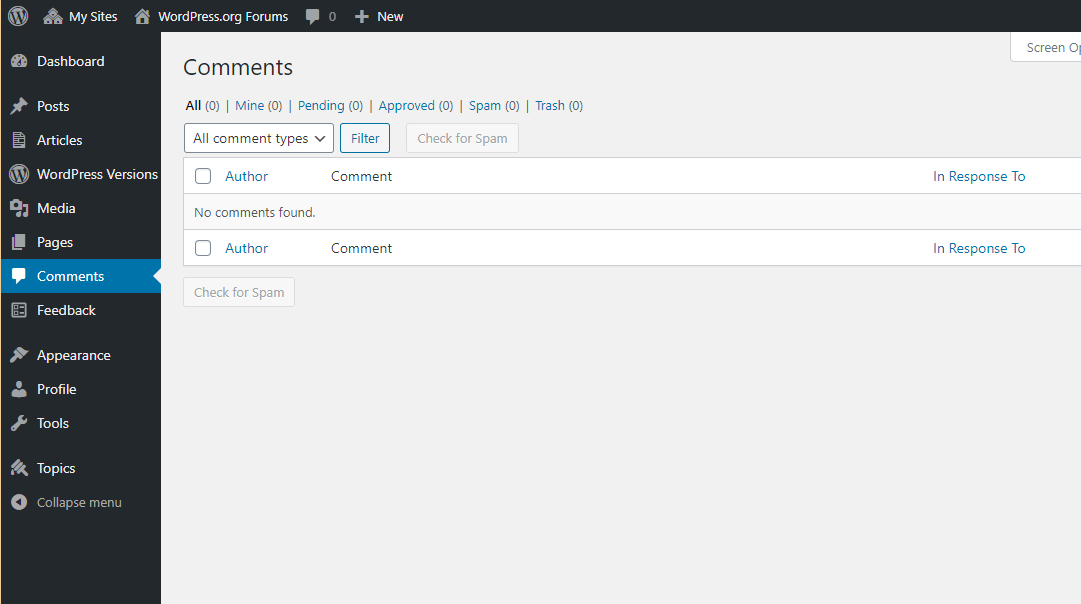
After checks, comments need approval. Approved comments are then published. They appear on the blog post page. Visitors can now read them. This makes the conversation visible. It’s important to approve quickly. This keeps discussions active and lively.
Credit: wordpress.org
Managing Comments
Comments are a way for readers to interact. You can enable or disable comments. This is done in the settings menu. Allowing comments can make your blog more engaging. Disabling comments can keep content clean. Choose based on your needs. Always check settings after updates.
Organizing comments helps in managing discussions. Sort comments by date or popularity. Use filters to find spam. Delete unwanted comments. Keep the discussion clear. Good organization makes blogs look tidy. Users appreciate neat comment sections.
Responding is important to build engagement. Reply to readers promptly. Be polite and helpful. Answer questions clearly. Thank users for their input. A good response encourages more interaction. It shows you value their opinions.
Customizing Comment Settings
Discussion settings let users manage how comments work. You can choose who can comment. You can also decide if comments need approval first. These settings help control unwanted or spam comments. They make comment sections clean and friendly.
Users can change how comments show on posts. Choose to show newest comments first. Or show oldest comments first. You can also limit the number of comments per page. These options help keep the page neat. Readers find comments easy to follow.
Spam comments can be a problem. Use tools to block spam. Tools like Akismet help stop spam. They keep comment sections clean. You can set filters for bad words. This way, bad comments are blocked. Protecting comments is important for site safety.

Credit: wordpress.org
Plugins For Enhancing Comments
Many plugins can enhance comments on WordPress. Disqus is a popular choice. It offers easy moderation tools. Users can login with social accounts. Jetpack is another favorite. It integrates smoothly with WordPress. It helps manage spam effectively. WPDiscuz stands out too. It provides real-time comment updates. Users enjoy its interactive design.
Choose plugins with spam protection. Consider ones with user-friendly interfaces. Look for social media integration. Plugins should allow easy moderation. Customization options are a plus. They enhance the user experience. Real-time updates make comments lively. Compatibility with themes is important. Some plugins are heavy on resources. Choose lightweight ones for faster loading.
Best Practices For Comment Management
Comments in WordPress let readers share thoughts on your posts. They boost engagement and make your blog lively. Managing comments well helps keep your site friendly and tidy.
Encouraging Quality Interactions
Quality comments make a blog better. Ask readers to share ideas. Invite them to ask questions. This helps build a strong community. Responding to comments shows you care. It encourages more people to join in.
Handling Negative Comments
Negative comments happen. Stay calm when they appear. Address concerns politely. Focus on finding solutions. Sometimes, deleting a harmful comment is best. Keep the space positive and friendly.
Regular Monitoring
Check comments often. This helps keep discussions healthy. Catch spam and harmful messages early. Use tools to filter unwanted comments. Regular checks make your blog safe and welcoming.
Frequently Asked Questions
What Are Comments In WordPress Used For?
Comments in WordPress allow users to engage with your content. They provide a platform for feedback and discussion. This interaction can enhance your site’s community and improve user engagement. Managing comments effectively can contribute positively to your website’s SEO and user experience.
How Can I Enable Comments In WordPress?
You can enable comments through your WordPress dashboard. Navigate to ‘Settings’ and then ‘Discussion’. Ensure the box for allowing comments is checked. This allows visitors to leave feedback on your posts, enhancing interaction and engagement on your site.
How Do I Manage WordPress Comments?
Manage comments via the ‘Comments’ section in your dashboard. You can approve, delete, or mark them as spam. Regular moderation helps maintain quality discussions and prevents spam. This can improve both user experience and your site’s reputation.
Why Are Comments Important For Seo?
Comments can boost SEO by increasing user engagement and content freshness. Search engines favor active and interactive websites. Thoughtful comments can add valuable content and keywords. This enhances the relevance and authority of your pages in search engine results.
Conclusion
Comments in WordPress play a crucial role in user interaction. They foster engagement and community among readers. Bloggers and site owners benefit from valuable feedback. Comments also boost SEO by providing fresh content regularly. Ensuring comments are moderated can maintain a positive environment.
This prevents spam and irrelevant content. Utilizing comment plugins can enhance functionality and security. It’s important to encourage genuine discussion. This makes visitors feel valued and heard. Understanding comments’ impact helps in growing your site effectively. Embrace comments as a tool for connection and growth.
Keep the conversation going on your WordPress site.


