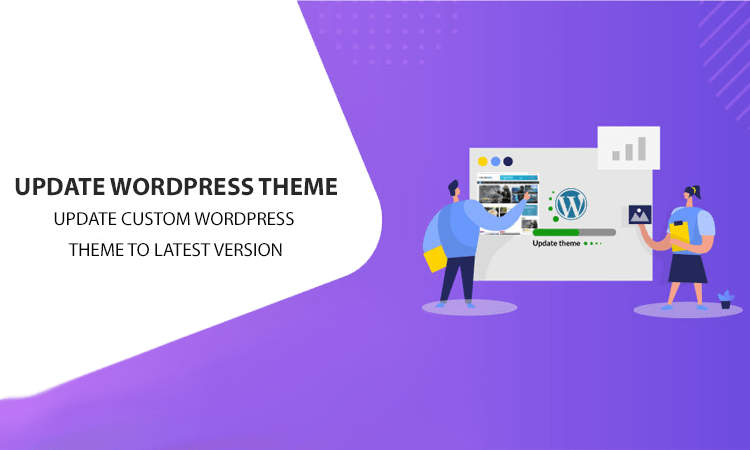
Are you struggling to keep your custom WordPress theme up-to-date without losing your personal touch? You’re not alone.
Many WordPress users face the challenge of maintaining their unique site design while ensuring it’s running on the latest updates. It’s crucial, not just for aesthetics, but for security and functionality too. Imagine your site running smoothly, faster, and safer, all while retaining the custom features you love.
In this guide, you’ll discover simple steps to update your custom WordPress theme. You’ll learn how to preserve your customizations, avoid common pitfalls, and keep your website performing at its best. Ready to take control of your updates and unleash your site’s full potential? Let’s dive in!
Backup Your Website
It is crucial to backup your database before updating your theme. The database holds all your site’s data and settings. Use a plugin like UpdraftPlus or BackWPup. These plugins make the process easy. They create a copy of your database. This ensures you can restore it if needed. Keep the backup file in a safe location. A cloud service or external drive works well. This simple step can save you from data loss.
Your theme files contain all your custom designs. Make a copy before making updates. FTP clients like FileZilla can help. Connect to your website’s server. Find the wp-content/themes folder. Download your theme’s folder to your computer. Keep this copy secure. It is your backup in case of errors. With both database and theme files backed up, your site stays safe.
Credit: www.wpzoom.com
Review Theme Changes
New features can make your theme better. Look for design updates or extra tools. They can help you improve your website. New features can also make your site load faster. Speed is important for keeping visitors happy. Make sure the new features work well with your current setup. Sometimes, they might need extra plugins. Always test new features on a small site first. This way, you can find problems easily.
Some functions might be deprecated. This means they are old and not used anymore. Check your theme for any such functions. Using them can cause errors. Errors are bad for your site. Replace old functions with new ones. This keeps your theme modern and safe. If you are not sure how to do this, ask for help. Many online forums can offer useful advice.
Set Up A Staging Environment
Create a staging environment to safely update your custom WordPress theme. This setup lets you test changes before going live, ensuring your site remains error-free and user-friendly.
Create A Subdomain
Start by creating a subdomain on your hosting account. A subdomain is like a child site under your main domain. Go to your hosting control panel. Find the subdomain option. Enter a name for your subdomain. Click create. You now have a new subdomain. This will be your staging site.
Clone Your Website
Cloning your website is simple. Use a plugin to duplicate your site. Plugins like Duplicator or WP Staging are useful. Install the plugin on your WordPress. Follow the plugin instructions to clone your site. The clone will be on the subdomain. This clone is your test area. You can update your theme here safely. Changes won’t affect your live site.
Credit: www.webfulcreations.com
Update Theme Files
First, back up your old theme files. This step is very important. Next, download the new theme version. Open your file manager. Go to the theme folder. Delete old files. Place new files in the same folder. Ensure all files are in the correct place. This keeps your site running smoothly.
Check your CSS and JavaScript files. Sometimes, they need updates too. Open the new theme folder. Look for CSS and JavaScript files. Compare them with your current ones. Make changes if needed. This helps keep the site looking good. Also, it makes sure all features work properly.
Test The Updated Theme
Look at the website design. Make sure it looks the same as before. Colors and fonts should match. Check images to see if they appear correctly. Check all pages. Compare with old theme. Fix any differences you find.
Click every button on the site. Make sure they work. Test forms to see if they send messages. Check menu links. Ensure they go to the right pages. Check plugins. See if they run smoothly. Update plugins if needed. Check site speed. Make sure it’s not slow.
Credit: www.sayenkodesign.com
Optimize For Performance
Minifying code makes websites load faster. It removes extra spaces and comments from the code. Small code runs quickly and uses less memory. It is important to minify HTML, CSS, and JavaScript. This makes the website quick for users. Many tools help in minifying code. Use online tools or plugins. Minified code keeps websites neat and clean.
Large images can slow websites. They take longer to load. Compress images without losing quality. This helps in saving space. Smaller images load faster. Use tools to reduce image size. Convert images to WebP format. It is lighter than JPG or PNG. This makes pages load quickly. Fast websites are better for users.
Deploy To Live Site
Use FTP or SSH to upload the updated theme. Always back up the current theme before making changes. This ensures you can revert if needed. Verify file permissions are correct. Incorrect settings can cause errors.
Check the site immediately after deployment. Look for any broken links or missing images. Verify that all features work as expected. Pay special attention to custom functionalities. Sometimes updates can disrupt them.
Test on different devices and browsers. This ensures compatibility across platforms. Fix any issues quickly to avoid user frustration.
Frequently Asked Questions
How To Locate My Theme Files In WordPress?
To find your theme files, access your WordPress dashboard. Navigate to Appearance > Theme Editor. This shows all theme files. You can also use FTP or file manager for direct server access. Knowing where your files are helps in making updates or custom changes efficiently.
How To Safely Update My Custom Theme?
Always back up your site before updating. Use a child theme to avoid losing customizations. Test updates on a staging site first. This ensures your changes don’t affect the live site negatively. Staying informed about changes in the new version is also helpful.
Can I Use Plugins To Update Themes?
Yes, certain plugins help update themes safely. Plugin options like Theme Editor or Theme Updater streamline updates. They provide an interface to modify and update files directly. Always ensure compatibility with your current theme version before using a plugin.
What If My Theme Update Fails?
If an update fails, restore from a backup. Check for errors or conflicts in the theme files. Contact theme support for assistance. It’s essential to diagnose the issue carefully to avoid recurrence. Regularly backing up your site helps in quick recovery.
Conclusion
Updating a custom WordPress theme need not be daunting. Start with a backup. Always ensure your files and database are safe. Then, check theme documentation for guidance. Make a child theme to preserve changes. This helps during updates. Test changes on a staging site first.
This avoids live site issues. Keep plugins updated too. They often affect theme functionality. Regular updates enhance security and performance. Stay informed about WordPress updates. These steps ensure a smooth update process. Your website stays current and secure. Happy updating!