
Imagine having a brilliant idea for a website that could transform your passion into a thriving business. You’ve spent countless hours crafting content, designing the perfect layout, and planning your launch.
But there’s one crucial element you might be overlooking: web hosting. Without it, your website is like a car without fuel—it simply won’t run. You might wonder why web hosting is so essential. After all, can’t you just launch your site without it?
The truth is, web hosting is the backbone of your online presence. It’s what keeps your website accessible, fast, and secure for all your visitors. Without a reliable web hosting service, you risk slow load times, frequent downtimes, and even security breaches that could harm your reputation. As you read on, you’ll discover how web hosting impacts your site’s performance and why choosing the right provider is key to your success. Embrace the power of web hosting, and unlock the full potential of your website today.
Importance Of Web Hosting
Web hosting helps your website live online. Without hosting, your site cannot be seen. It stores your files and data safely. Hosting makes your site accessible to everyone. Faster hosting means quicker website loading. Speed is important for users. Good hosting keeps your site secure. Security stops hackers from causing trouble. It protects your private information. Reliable hosting avoids downtime. Your website stays online always. Hosting allows custom emails. You can have your own domain email. This looks professional. Hosting lets you grow your website. More space means more features. Choose hosting wisely. It impacts your website greatly.

Credit: www.pcmag.com
Types Of Web Hosting
Shared hosting is like sharing a school bus. Many sites use the same server. It is the cheapest option. Good for beginners and small websites. It can get crowded. If one site gets busy, yours might slow down.
VPS stands for Virtual Private Server. It’s like renting an apartment. You share a building but have your own space. More control than shared hosting. Better speed and performance. Costs more but worth it for growing sites.
Dedicated hosting means you have the whole house. No sharing with others. Best performance and full control. It is expensive. Ideal for big businesses or popular sites. Needs technical knowledge to manage.
Cloud hosting is like having a flexible space. Uses many servers to host your site. Scalable and reliable. If one server fails, others keep the site running. Good for sites with variable traffic. Costs depend on usage.
Factors To Consider
Price matters. Always check the monthly fees. Some plans offer discounts. Look for hidden fees. Cheaper plans may lack features. Balance cost and quality. You get what you pay for.
Speed is crucial. A fast website keeps visitors happy. Hosting affects speed. Choose a host with good performance. Reliable servers mean less downtime. Slow sites lose visitors. Good performance boosts user experience.
Protection is key. Websites need strong security. Hosting should offer firewalls. Regular backups are essential. Secure hosts prevent hacks. Check for SSL certificates. Secure sites build trust.
Websites grow over time. Hosting should grow too. Look for scalable plans. You may need more space. Extra bandwidth helps traffic spikes. Scalability ensures smooth growth.
Benefits Of Reliable Hosting
A good host makes your site fast. Fast sites keep users happy. Improved site performance means users stay longer. Fast sites also rank better on search engines.
Enhanced security is crucial for any website. Reliable hosting protects your site from attacks. It keeps your data safe and secure. Safe sites build trust with users.
Better customer support helps when things go wrong. Good hosts offer 24/7 support. They solve problems fast. You get peace of mind, knowing help is always there.
Common Hosting Challenges
Downtime makes websites unavailable. Visitors can’t see your pages. Search engines dislike downtime. It can affect your site’s ranking. Frequent downtime frustrates users. It can lower trust in your brand. Stable hosting is crucial.
Cheap hosting limits resources. It can slow your site down. Low bandwidth means fewer visitors at once. Limited storage restricts content. You may need to upgrade often. This can cost more money.
Technical problems can be hard. Fixing them needs skills. Server errors can break your site. Configuration issues can confuse users. Many hosts offer support. But not all have great service. Choose a host wisely.
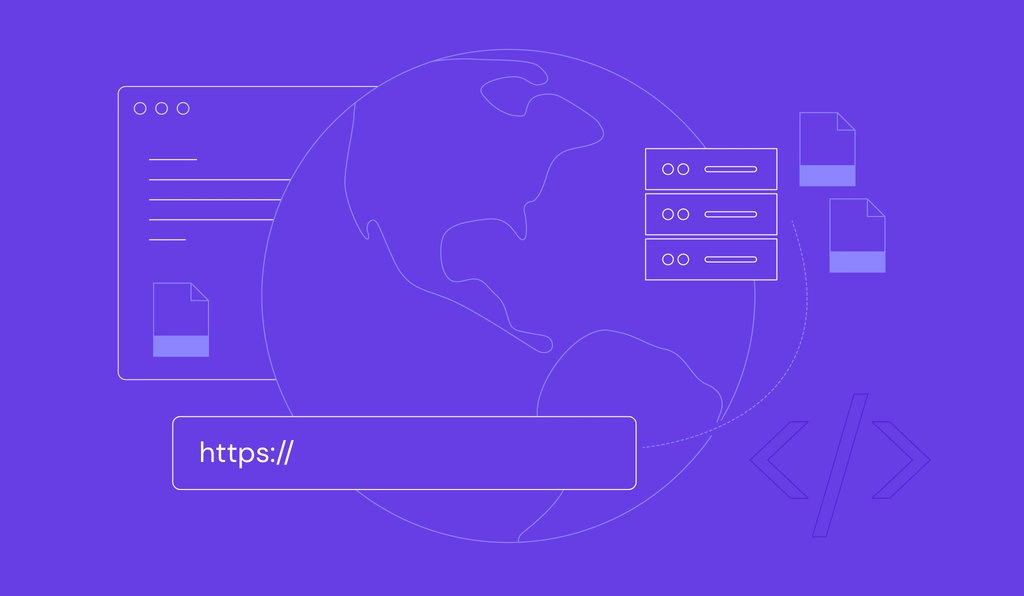
Credit: www.hostinger.com
Choosing The Right Host
Know what you need. Is it a personal blog or a small business site? Bandwidth and storage matter. Think about traffic and growth. Do you need email services? Consider the importance of security features.
Look at different hosts. Compare prices and services. What do they offer? Check their reputation. Are they reliable? Do they have good reviews? Price matters, but so does support.
Features are key. Is there a control panel? Can you install software easily? Look for backups. Do they offer SSL certificates? Check for extras. Some hosts give you free domains or site builders. These can be helpful.
Future Of Web Hosting
Web hosting is crucial for maintaining a robust online presence. As technology evolves, hosting services offer improved speed and security. Reliable hosting ensures websites run smoothly, enhancing user experience and business credibility.
Emerging Technologies
Web hosting is changing fast. Cloud hosting is popular now. It offers flexibility and scalability. People love speed and reliability. Artificial intelligence helps manage servers better. AI can predict problems early. Green hosting is also emerging. It uses renewable energy. This is good for the planet. Blockchain technology is in hosting too. It adds security and transparency. Many companies explore edge computing. This reduces latency and improves performance.
Trends In Hosting Solutions
Shared hosting is still common. It’s affordable for small websites. Virtual private servers provide more control. They are cost-effective. Dedicated servers offer high performance. They suit large sites. Managed hosting is gaining popularity. It simplifies maintenance and updates. WordPress hosting is tailored for WordPress sites. It offers special features. E-commerce hosting supports online stores. It ensures security and speed. Hosting solutions are more user-friendly now. This helps users manage sites easily.
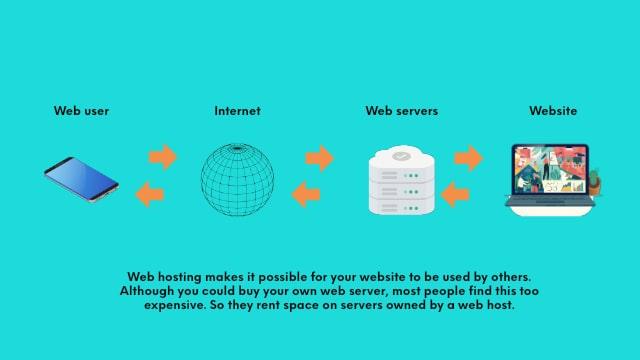
Credit: www.godaddy.com
Frequently Asked Questions
Why Do I Need A Website Host?
A website host stores your website’s files and data on a server. It ensures your site is accessible online. Reliable hosting improves site speed, security, and uptime. Choose a host that fits your needs to maintain a strong online presence.
What Is The Purpose Of Web Hosting?
Web hosting provides storage for websites on servers, enabling online accessibility. It ensures site speed, security, and functionality. Reliable hosting improves user experience and supports website growth. Choose hosting based on site needs and traffic expectations for optimal performance.
What Happens If You Don’t Have Web Hosting?
Without web hosting, your website won’t be accessible online. Hosting stores your site’s files on servers. This enables users to view your content. Without it, your domain remains inactive, leading to lost traffic and potential revenue. Choose reliable hosting for optimal performance and security.
Can I Run A Website Without Hosting?
Running a website without hosting is impossible. Hosting provides server space to store your website files. Without hosting, users can’t access your site online. Options like free hosting or self-hosting exist but require technical knowledge and come with limitations. Reliable hosting ensures your website is accessible and secure.
Conclusion
Web hosting is crucial for a strong online presence. It provides reliability and security. Without it, your website might face downtime. Visitors expect fast loading pages. Hosting ensures speed. It supports custom email addresses. This builds trust with users. Web hosting offers backup solutions.
Data stays safe and accessible. Choose the right plan for your needs. It keeps your site up and running smoothly. Explore options and find what fits your budget. Invest in hosting to grow your online presence. Keep your site alive and thriving.


