
Are you thinking about setting up a website? One important decision you’ll face is whether to keep your domain and hosting together or separate them.
This choice might seem small, but it can have a big impact on your website’s performance, security, and control. Imagine having full freedom to switch hosting providers without losing your domain or avoiding unexpected downtime because of one provider’s issue.
Curious how separating your domain and hosting can give you these advantages? Keep reading, and you’ll discover why this simple step could save you headaches and help your website grow smoothly.

Credit: www.billhartzer.com
Domain Vs Hosting
Understanding the difference between a domain and hosting is important for building a website. Many people confuse these two terms. They are not the same but work closely together to make a website accessible online.
What Is A Domain?
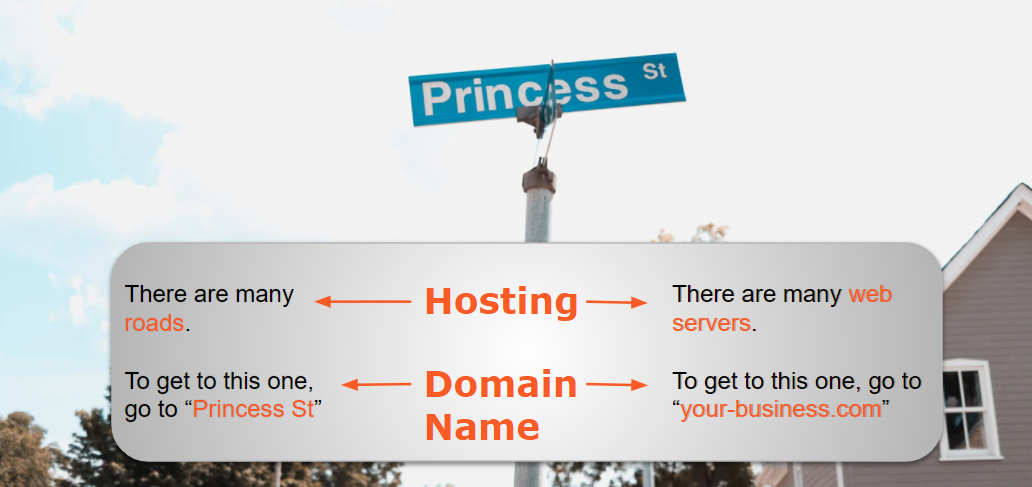
A domain is the website’s address on the internet. It tells users where to find your site. Domains look like “example.com” and are easy to remember. Without a domain, visitors would need to use your website’s IP address, which is hard to recall.
What Is Hosting?
Hosting is the space where your website lives. It stores all your website files, images, and data. Hosting servers keep your website online 24/7. Without hosting, your site cannot be seen or accessed by visitors.
How They Work Together
The domain points visitors to the hosting server where your site files are stored. When someone types your domain, the host delivers the website to their browser. Both domain and hosting must be active for a website to work. They depend on each other but serve different roles.
Credit: www.boldgrid.com
Advantages Of Separation
Separating your domain and hosting offers many clear benefits. It gives you more freedom to manage your website and keeps your online presence safer. This method helps avoid common problems and makes your site easier to control. Here are the main advantages.
Improved Flexibility
Keeping your domain and hosting separate lets you switch hosting providers easily. You do not have to change your domain registrar. This setup helps you find better deals or services without affecting your domain name. You can also use different hosts for different websites under the same domain.
Enhanced Security
Domain and hosting separation adds an extra layer of security. If your hosting account is hacked, your domain remains safe with a different provider. This reduces the risk of losing both at once. It also protects your domain from unauthorized transfers or changes.
Better Control
You gain full control over your domain settings. Managing DNS records becomes simpler and safer. You can update hosting details without risking domain downtime. This setup allows easier troubleshooting and faster problem resolution.
Cost Implications
Understanding the cost implications of separating your domain and hosting is important. It helps you save money and control expenses better. Choosing different providers allows flexibility in pricing and services. Managing costs becomes easier when you split these two needs.
Choosing Affordable Providers
You can pick domain registrars and hosting companies with the best prices. Some providers offer cheap domains but expensive hosting. Others provide low hosting fees but charge more for domains. Separating them lets you choose the most affordable option for each.
Avoiding Vendor Lock-in
Keeping domain and hosting separate helps avoid vendor lock-in. You won’t be forced to pay high fees to one provider. This freedom lets you switch providers if prices rise. It saves money and keeps your options open.
Managing Renewals Separately
Renewal times for domains and hosting often differ. Managing them separately means you can avoid surprise charges. You can budget for each renewal without mixing costs. This approach helps prevent unexpected fees and keeps expenses clear.
Simplified Troubleshooting
Keeping your domain and hosting separate makes fixing website problems easier. It helps find the cause faster and keeps your site running smoothly. Troubleshooting becomes less confusing and less time-consuming.
Identifying Issues Quickly
When domain and hosting are separate, you know where to look first. Problems with the website, like slow loading or errors, usually come from hosting. Domain issues, like email or DNS errors, stay in the domain area. This clear split helps find the exact problem fast.
Minimizing Downtime
Fixing problems faster means less time offline. Your visitors won’t see error pages for long. You can work on hosting or domain without affecting both. This keeps your website available and your business running smoothly.
Scalability Benefits
Separating your domain and hosting brings clear benefits for growth. It makes scaling your website easier and less stressful. You can manage each part on its own, which saves time and effort. This flexibility is key for websites that expect to grow fast or change often.
Upgrading Hosting Easily
With separate hosting, upgrading is simple. You can move to a better server without changing your domain. This means less downtime and fewer risks. Your website stays online while you improve its speed and capacity. You pay only for what you need, avoiding extra costs.
Switching Domains Smoothly
Separate domains allow smooth changes if needed. You can switch your website to a new domain without moving your hosting. This helps keep your site running while you rebrand or change names. It protects your site’s performance and user experience during transitions.
Common Myths Debunked
Many people believe wrong ideas about using separate domain and hosting services. These myths can stop website owners from making smart choices. Clearing up these false beliefs helps you decide better for your website’s future.
Is It Complicated?
Some think managing domain and hosting separately is hard. It is not true. Most services have simple control panels. You can easily connect your domain to any hosting. Many tutorials and guides are available online. Basic steps take just a few minutes. No advanced skills needed.
Does It Cost More?
People often say separate domain and hosting cost extra money. This is a myth. Sometimes buying together looks cheaper. But separate plans give more control and flexibility. You can choose the best provider for each service. This often saves money in the long run. Also, you avoid unwanted package features. Paying only for what you need.
Steps To Separate Domain And Hosting
Separating your domain and hosting is a smart choice for better control and flexibility. The process involves a few clear steps. Each step helps you manage your website more efficiently. Follow these steps to keep your domain and hosting separate.
Registering A Domain Independently
Start by choosing a domain registrar. Pick a company that only sells domains, not hosting. Search for your desired domain name. Check if it is available. Once you find the right name, register it. Pay for the domain to secure ownership. Keep your login details safe for future management.
Choosing Hosting Providers
Next, select a hosting provider. Look for a host with good speed and uptime. Compare prices and features. Choose a plan that fits your website needs. Sign up and set up your hosting account. Avoid buying the domain from the hosting provider to keep them separate.
Linking Domain To Hosting
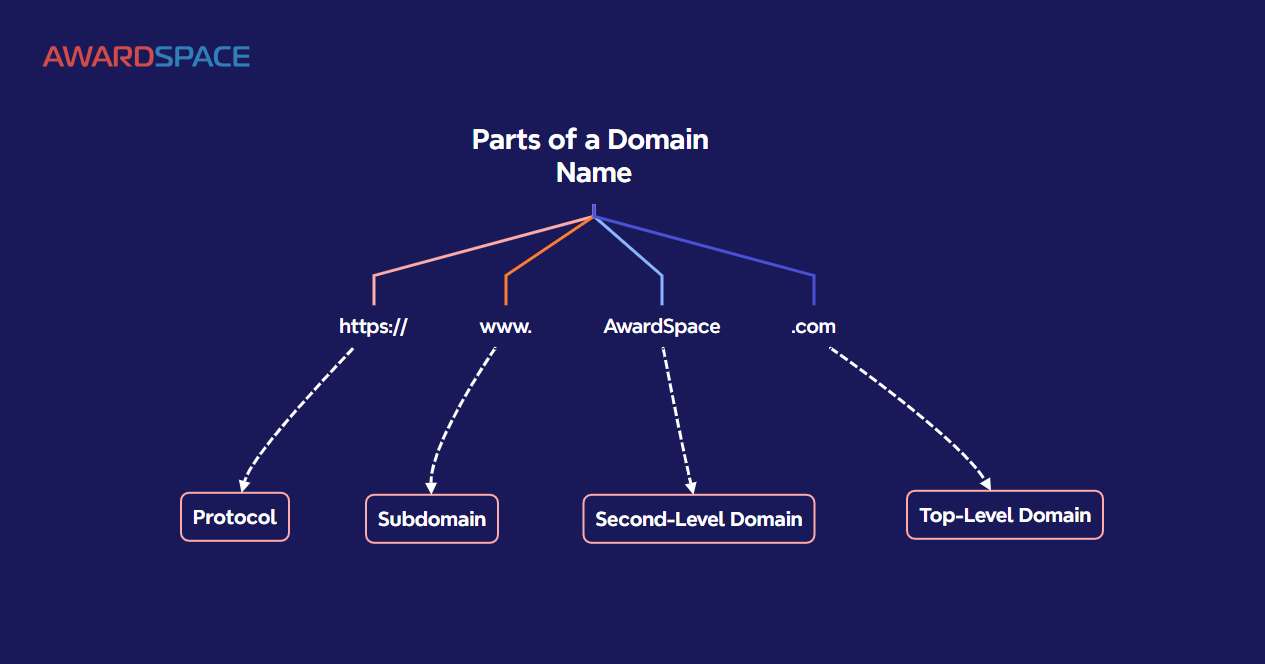
After registration and hosting setup, connect your domain to your hosting. Access your domain registrar’s control panel. Find the DNS settings or nameserver section. Enter the nameservers given by your hosting provider. Save the changes. Wait for the DNS to update, which may take a few hours. Your domain will then point to your hosting server.
Credit: www.awardspace.com
Frequently Asked Questions
Why Should I Separate Domain And Hosting Services?
Separating domain and hosting increases security and control. It prevents service downtime if one provider fails. You can switch hosting without losing your domain. This setup also reduces risks from vendor lock-in and simplifies management.
How Does Separating Domain And Hosting Improve Website Security?
When domain and hosting are separate, a hack on hosting won’t affect your domain. It protects your website’s address from unauthorized transfers. This separation adds an extra layer of security, safeguarding your online identity and data.
Can Separating Domain And Hosting Enhance Website Performance?
Separating domain and hosting doesn’t directly improve speed. However, it allows choosing the best hosting provider for performance. You can pick a specialized host optimized for your website’s needs, improving uptime and load times.
Is Domain And Hosting Separation Cost-effective?
Separating domain and hosting might cost slightly more upfront. However, it avoids expensive downtime and recovery costs. It offers flexibility to switch providers, potentially saving money long-term. This approach balances cost with control and reliability.
Conclusion
Choosing to separate your domain and hosting brings clear benefits. It gives you more control over each service. You can switch hosting providers without losing your domain. This approach often saves money and improves security. Managing issues becomes easier and faster too.
Separate services reduce risks of downtime or data loss. Overall, keeping domain and hosting apart helps your website run smoothly. A smart step for any website owner.


