
Are you looking to take your Django web app to the next level? Hosting it on Amazon EC2 could be the game-changer you need.
Imagine having the power to scale your app seamlessly, ensuring it runs smoothly even during traffic spikes. With EC2, you gain the flexibility to tailor your server environment precisely to your needs. No more one-size-fits-all solutions. You have the control and the freedom to create an optimal setup.
But why exactly should you consider this move? What makes EC2 stand out in the crowded world of hosting options? Stick around as we break down the compelling reasons that make Amazon EC2 a top choice for your Django web app. By the end of this read, you’ll have a clear understanding of how it can transform your app’s performance and reliability. Ready to unlock the full potential of your Django application? Let’s dive in!
Benefits Of Hosting On Ec2
EC2 allows easy scaling of your Django app. Servers can grow with your needs. Start small, grow big. No limits. Change settings based on traffic. Handle more users with ease. Manage resources without stress. Flexibility is key for success.
Save money with EC2. Pay for what you use. No hidden fees. Choose plans that fit your budget. Scale costs as you grow. Low starting costs. No need for expensive hardware. Use resources wisely.
Keep your data safe. EC2 offers strong security measures. Built-in firewalls protect your app. Control access with ease. Secure your web app from threats. Regular updates keep it safe. Peace of mind for developers.
Optimizing Django Performance
EC2 offers powerful tools for Django apps. Choose the right instance type. Select based on your app’s needs. More CPU and RAM help with heavy loads. Use Elastic Block Store for storage. It provides reliable and scalable storage solutions. Easy to manage. Auto-scaling adjusts resources automatically. Keeps your app running smoothly. No more worrying about sudden traffic spikes.
Load balancing is crucial. Distributes traffic across multiple servers. Amazon Elastic Load Balancer helps. It ensures high availability and fault tolerance. Keeps the app online. Users won’t notice server issues. With ELB, apps can handle more users. Balances server loads efficiently.
Caching speeds up your app. Memcached and Redis are popular choices. Store data temporarily. Reduces database hits. Django’s cache framework is useful. It integrates with these tools. Improves response times. Keeps users happy. Faster pages mean better experience.
Deployment Process
EC2 instances are virtual servers. They run your Django app. Begin by choosing a server size. Small servers are cheaper. Then, select a region. Regions are places where servers live. Next, create a security group. This keeps your app safe. Open ports for web traffic. Lastly, launch the instance. It may take a few minutes.
Django settings need adjustments. First, set DEBUG to False. This hides errors from users. Then, add your server IP to ALLOWED_HOSTS. This list tells Django which hosts can run it. Also, configure the database settings. Use the environment variables for safety. Lastly, set up static files. These files are CSS and JavaScript.
Automation makes deployments easier. Use tools like Fabric or Ansible. These tools script tasks. First, write scripts for code updates. Then, script server restarts. Also, script database migrations. Automating saves time. It reduces errors too.

Credit: www.linkedin.com
Managing And Monitoring
Using AWS Management Tools makes managing your web app easier. These tools help you see everything happening. You can watch your app from anywhere. They help keep your app safe and running. Using these tools saves time and effort. They are very helpful for beginners too.
Monitoring Performance Metrics is important. It shows how well your app is doing. You can see if the app is fast or slow. This helps you make changes if needed. Good metrics mean a healthy app. Bad metrics show problems to fix. It’s like checking the health of your app.
Troubleshooting Common Issues can be simple. AWS tools help find problems fast. They guide you step by step. You learn what went wrong. Fixing issues becomes less scary. Practice makes it easier. Knowing common problems helps too. This way, your app stays up and running.
Security Best Practices
Choosing AWS EC2 for hosting Django web apps enhances security. It offers robust firewalls and encrypted data storage. This ensures your application is both secure and scalable.
Securing Ec2 Instances
EC2 instances need strong passwords. Change them often. Use firewalls to block bad traffic. Only allow trusted IP addresses. Install the latest updates regularly. Keep your software secure. Control who has access. Limit permissions to important people. This keeps your data safe.
Implementing Ssl Certificates
SSL certificates protect your data. They help secure web connections. Install SSL on your server. It encrypts data between your app and users. This stops hackers from stealing information. Choose a trusted SSL provider. Renewal is important. Keep your certificate up to date.
Regular Security Audits
Security audits find weak spots in your system. Review your security settings often. Check for any unusual activity. Look for signs of hacking. Fix any issues quickly. Use tools to help with audits. They make checking easier. Always stay alert for threats. Protect your data.
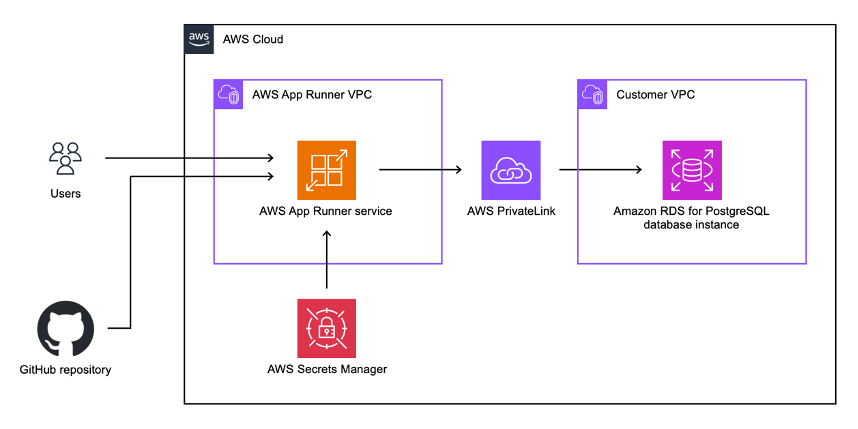
Credit: aws.amazon.com
Case Studies
Many companies choose EC2 for hosting their Django apps. It provides a stable and secure environment. An example is a startup that grew quickly. Their Django app was reliable and fast. They needed more space and EC2 helped them.
Another company used EC2 to handle their busy times. They had many visitors during sales. EC2 made sure their app did not crash. Their business stayed open and they made more money.
Teams learned to plan their resources better. They understood how to scale up and down. This helped them save money. Planning also helped them handle sudden traffic. They knew when to add more servers. It kept their apps running smoothly.
Another lesson was the importance of security. Protecting data is crucial. Many teams improved their security measures. They followed best practices. This kept their apps safe from attacks.
The future looks bright for cloud hosting. More businesses will use cloud solutions. They want flexibility and power. EC2 will continue to be a top choice. It offers many options for different needs.
Another trend is using AI and machine learning. These technologies will help optimize hosting. They can predict when more resources are needed. This will make hosting even more efficient.
Credit: muktar.tech
Frequently Asked Questions
How To Host Django Website On Aws Ec2?
Launch an EC2 instance on AWS. Install Python, Django, and necessary packages. Configure security groups and SSH access. Set up a PostgreSQL database. Deploy your Django app using Gunicorn and Nginx. Ensure the app runs on your domain by configuring DNS settings.
Why Does Django Need A Virtual Environment?
Django needs a virtual environment to isolate project dependencies. This ensures no conflicts between packages. It allows different projects to have separate package versions. This isolation keeps the global Python environment clean. Virtual environments make managing dependencies easier and more organized.
They improve project portability and prevent version clashes.
Does Django Need A Web Server?
Django requires a web server to serve content effectively. It comes with a built-in development server for testing. For production, use a robust web server like Apache or Nginx to handle requests and manage traffic. This setup ensures better performance, security, and scalability for Django applications.
Can We Host A Website On Aws Ec2?
Yes, you can host a website on AWS EC2. EC2 provides scalable cloud computing resources. Launch an EC2 instance and configure it as a web server. Choose an appropriate operating system and install necessary software like Apache or Nginx. AWS EC2 is suitable for hosting dynamic or static websites.
Conclusion
Choosing EC2 for hosting a Django web app makes sense. It offers scalability. You can easily adjust resources as needed. This flexibility supports growth and performance. EC2’s reliability ensures minimal downtime. Cost-effectiveness is another benefit. You pay only for what you use.
Security features are robust, protecting your data. The global reach of AWS boosts accessibility. Users can connect from anywhere. These advantages make EC2 a smart choice. Your Django app will run smoothly. Enjoy peace of mind with AWS support. A solid foundation for your web app’s success.


