
Have you ever wondered what makes your favorite website tick or how your online store stays up and running 24/7? The secret ingredient behind every successful website is a reliable web hosting server.
You might be asking yourself, “Why do I need a web hosting server? ” Simply put, without it, your website is like a car without an engine. It powers your site, ensuring it’s always accessible and running smoothly for your visitors.
Imagine trying to reach a bustling store, only to find its doors locked. Frustrating, right? The same applies to websites without proper hosting. You’ll discover the vital role web hosting plays in your online presence and how it directly impacts your website’s performance, security, and overall success. By the time you finish reading, you’ll understand why investing in a good web hosting server is not just a smart choice, but a necessary one. Ready to unlock the full potential of your website? Let’s dive in!
What Is Web Hosting
Web hosting means storing your website on a special computer. This computer is called a server. It helps your website be seen on the internet. Without a server, people cannot find your website online.
Hosting makes your website fast and safe. It lets many people see your site at the same time. Good hosting keeps your site up and running all the time. It also protects your site from hackers and other threats.
Different types of hosting can fit different needs. Some are for small sites. Others are for big businesses. Choose the right one to make your site work well.

Credit: www.pcmag.com
Types Of Web Hosting
Choosing the right web hosting server is crucial for your website’s performance. Shared, VPS, and dedicated hosting offer different levels of resources and control. Each type caters to specific needs, ensuring your site runs smoothly and efficiently, enhancing user experience.
Shared Hosting
Shared hosting is like sharing a room. Many websites use the same server. This makes it cheap and easy. But if one site is busy, others slow down. It’s a good start for beginners. Ideal for small websites. Not great for high traffic sites.
Vps Hosting
VPS hosting means Virtual Private Server. It offers more space than shared hosting. It’s like having your own apartment. Other sites won’t affect your speed. You get better control over settings. It’s pricier than shared hosting but worth it for growing sites.
Dedicated Hosting
Dedicated hosting is renting a whole house. Your site has its own server. No sharing with others. Best for big sites with lots of visitors. Offers the highest speed and control. It costs more than VPS and shared hosting. Suitable for businesses with high demands.
Cloud Hosting
Cloud hosting uses many servers. If one fails, others pick up the slack. It’s like having a backup team. This makes it very reliable. Great for sites that need flexibility. You pay for what you use. Ideal for sites that grow and shrink often.
Importance Of Web Hosting
Web hosting is crucial for making your website accessible online. Without it, people cannot find or visit your site. Hosting servers keep your site live 24/7. This ensures users can access it anytime they wish. A reliable host prevents downtime. It makes sure your site is always up and running.
Good hosting boosts website performance. Fast servers load your site quickly. This keeps visitors happy. Slow loading can drive people away. Hosting affects speed and efficiency. Choosing the right plan makes a big difference. It keeps your website fast and smooth.
Hosting servers offer data security. They protect your information from hackers. Secure servers keep your data safe. They use firewalls and encryption. This safeguards your site and users. Security is important for trust. A secure site keeps visitors coming back.

Credit: www.godaddy.com
Key Features To Consider
Storage is where your website files live. Bandwidth is how much data moves. Having sufficient storage is crucial. It helps store all your files. Enough bandwidth ensures smooth site visits. It handles traffic well.
Uptime means your site is live. A high uptime is important. Most hosts promise 99% uptime. This means your site rarely goes down. A strong uptime guarantee is vital. It keeps your site running smoothly.
Good support can solve your problems. Fast and helpful support is key. Look for 24/7 customer support. This way, help is always there. Friendly support makes things easy. They guide you through issues.
Benefits Of Reliable Hosting
Reliable hosting can boost your SEO rankings. Search engines prefer fast websites. A good server makes your site load quickly. This helps you rank higher. Users find your site easily.
Users enjoy an enhanced experience with reliable hosting. Pages load fast. No waiting. Less downtime. Happy users stay longer on your site. They might come back again.
Strong hosting supports scalability for growth. Your website can grow with your needs. Start small and get bigger. The server adjusts as traffic increases. Your site stays smooth and accessible.
Common Web Hosting Myths
Many think web hosting costs a lot. It’s not true. Affordable options are available. Some plans start as low as a few dollars. It’s like buying a snack. You get what you pay for. More features may cost more. But basic plans suit most needs. You save money in the long run. A small price for a big benefit.
Not all hosting services are equal. Some offer better features. Others have more storage or speed. Some are good for big websites. Others are for beginners. Choose based on your needs. Read reviews and compare options. It’s like picking the best tool for a job. The right host can make a big difference.
Hosting isn’t just for big companies. Small sites need it too. Even personal blogs benefit. Hosting keeps your site online. It’s like a home for your website. Without it, your site can’t be seen. Everyone can use hosting. From small projects to large businesses. It’s for anyone who wants a presence online.
Choosing The Right Hosting Provider
First, think about what your website needs. Speed and storage are important. Do you need a lot of space? Some sites need more space. Others need less. Traffic is also key. Will your site have many visitors? If yes, a strong server is best. Understand your needs well.
Check how people feel about the host. Reviews online can help. Are they mostly good or bad? A host with a good name is often reliable. Ask friends if they know a good host. A host with a bad name might cause problems.
Look at how much the service costs. Are there different plans? Some plans cost less. Others cost more. Choose what fits your budget. Do not pay for what you do not need. Some plans have hidden fees. Always read all details. Compare plans before choosing.
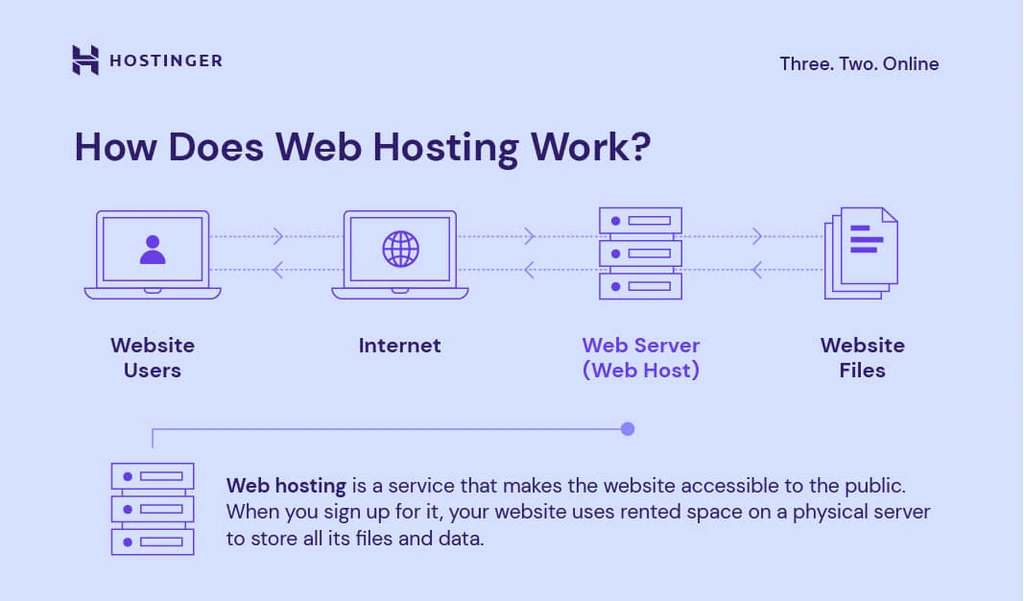
Credit: www.hostinger.com
Future Of Web Hosting
Web hosting is changing fast. New technologies make websites better and faster. Faster websites help users stay happy. Cloud hosting is one of these new ways. It stores website data across many servers. This means less downtime. More security too. Another tech is edge computing. It brings data closer to users. Pages load quicker with less wait.
Many people care about the environment. Green hosting is a way to help. It uses less energy. Renewable sources power these servers. This means less pollution. Many companies now choose green hosting. It helps the planet. It also attracts eco-friendly users. Green hosting shows companies care.
AI is smart. It helps in web hosting too. AI can fix problems fast. It helps servers run smoothly. AI also predicts issues before they happen. This means less trouble for users. Chatbots can help customers 24/7. They answer questions quickly. AI improves security as well. It keeps data safe from bad people.
Frequently Asked Questions
Why Do I Need A Hosting Server?
A hosting server stores your website files and makes them accessible online. It ensures your site is fast, secure, and reliable. Without hosting, your website cannot be viewed by others on the internet. Choose a hosting provider that matches your needs for better performance and support.
What Happens If You Don’t Have Web Hosting?
Without web hosting, your website can’t be online. It remains inaccessible to users and potential customers. Reliable hosting ensures your site is available and performs well. Ensure you choose a hosting provider to make your website visible and functional.
Why Would You Need A Web Server?
A web server hosts websites, making them accessible online. It delivers web pages to users’ browsers quickly. Web servers store, process, and serve web content efficiently. They handle requests, manage data, and ensure smooth website functionality. Reliable web servers enhance user experience and boost site performance.
What Do You Need Web Hosting For?
Web hosting stores your website files online, making them accessible to visitors. It ensures your site runs smoothly, providing necessary resources like bandwidth and storage. Reliable hosting enhances website performance, security, and accessibility, which is crucial for attracting and retaining users.
Choose a hosting provider that matches your site’s needs.
Conclusion
Choosing a web hosting server is crucial. It keeps your website accessible. Without it, your site remains offline. Hosting provides storage and security. It ensures fast loading times. Visitors appreciate speedy websites. Reliable hosting boosts your site’s credibility. It protects data from threats.
Web hosting supports your site’s growth. As your audience expands, so should your server capabilities. Investing in a good host saves future headaches. It’s a foundation for online success. Make your website’s presence strong and dependable. Consider your hosting needs carefully.
The right choice matters.


