
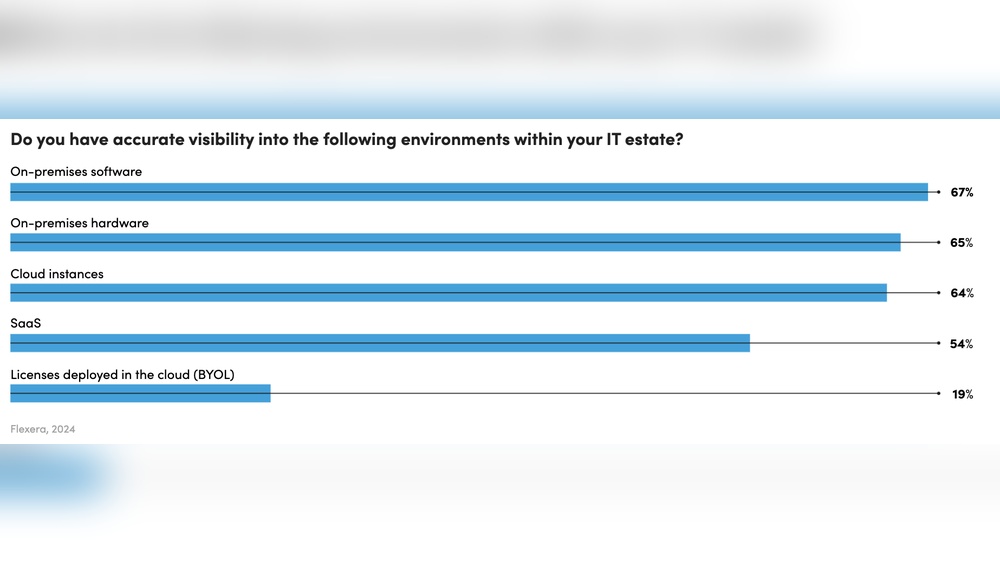
Are you confident that your business is getting the most value from your cloud software licenses? Without clear visibility into your licensing, you could be overspending or risking compliance issues without even realizing it.
Understanding exactly what licenses you have, how they’re used, and where gaps exist gives you control and saves money. You’ll discover why gaining full insight into your cloud software licensing isn’t just smart—it’s essential for protecting your budget and keeping your business running smoothly.
Keep reading to find out how visibility can transform your software management and help you avoid costly surprises.
Importance Of Cloud Software Licensing
Cloud software licensing plays a key role in managing digital tools and resources. Businesses use cloud software every day to run operations smoothly. Understanding how licensing works helps companies avoid risks and control costs. It also ensures compliance with vendor rules and helps plan for future needs.
Proper cloud software licensing keeps systems reliable and secure. It prevents service interruptions and protects business data. Without clear visibility into licenses, companies may face unexpected expenses or legal issues. Keeping track of licenses allows better decision-making and efficient use of technology.
Impact On Business Operations
Cloud software licensing directly affects daily business activities. Licensed software ensures access to necessary features and updates. Unlicensed or expired licenses can cause software to stop working. This disrupts workflows and lowers employee productivity. Licensing also affects cost management by avoiding overpaying or under-using resources. Proper licensing helps businesses maintain smooth and secure operations.
Common Licensing Models
Businesses encounter various cloud licensing models. Subscription licenses charge a fee monthly or yearly for access. Pay-as-you-go licenses bill based on actual software use. Per-user licenses assign costs to individual users within the company. Some models limit usage by the number of devices or features. Understanding these models helps companies pick the best option. It leads to better control over expenses and software use.
Challenges In Managing Cloud Licenses
Managing cloud software licenses can be difficult for businesses. Many factors make it hard to keep track and stay compliant. Without clear visibility, companies risk overspending or facing penalties.
Understanding these challenges helps businesses improve their license management. It also helps avoid unexpected costs and security issues.
Complexity Of License Agreements
Cloud license agreements often have complex terms. They vary by vendor, software type, and usage rights. Businesses must carefully read and interpret these agreements. Small details can change how licenses are counted or paid for. Misunderstanding terms may lead to non-compliance or extra charges.
Hidden Costs And Risks
Some cloud licenses include hidden fees. These can come from overuse, extra features, or data transfers. Without proper tracking, these costs add up quickly. There is also risk of security breaches if licenses are not managed properly. Unused or expired licenses might remain active, creating vulnerabilities.
Benefits Of License Visibility
Visibility into cloud software licensing offers clear benefits for businesses. It helps companies track and manage their software use efficiently. This insight reduces waste and avoids unexpected costs. It also ensures businesses follow licensing rules and use software fairly. Understanding license usage supports better planning and resource use. These benefits lead to stronger control over software investments and operations.
Improved Cost Management
License visibility helps businesses see where money is spent on software. It identifies unused or underused licenses. Companies can reduce spending by eliminating these licenses. It also helps avoid buying extra licenses unnecessarily. Clear insights prevent surprise fees for overuse. This control keeps software budgets on track.
Enhanced Compliance
Knowing exactly how licenses are used keeps companies compliant with rules. It prevents software audits from causing problems. Businesses can prove they follow licensing agreements. This reduces risks of fines or legal issues. License visibility creates a clear record of software use. It builds trust with software providers.
Optimized Resource Allocation
License data shows which software tools are most needed. Businesses can assign licenses to teams that use them most. This avoids bottlenecks and downtime. It helps plan software purchases based on real demand. Better allocation means teams work smoothly and effectively. Resources are used wisely, supporting company goals.
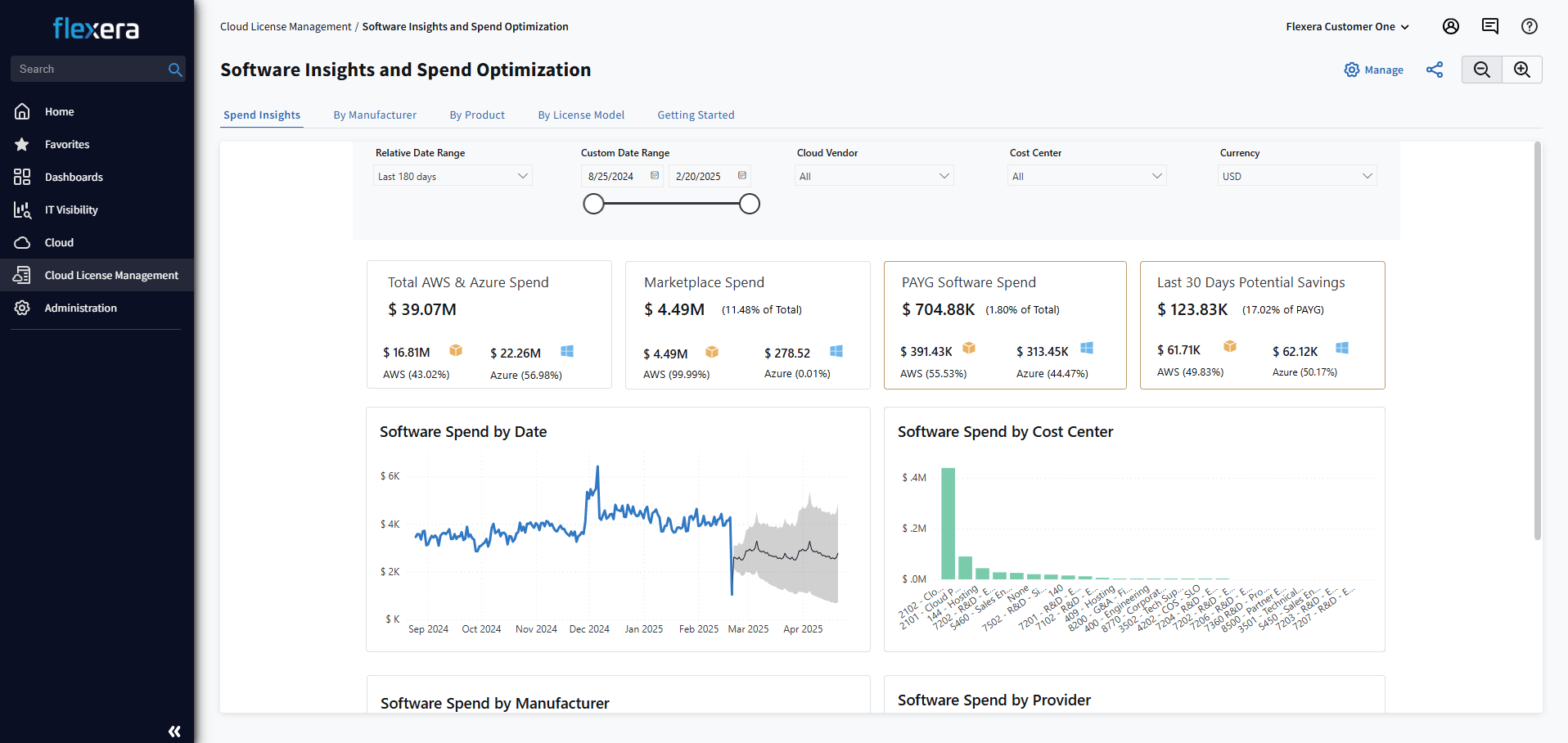
Credit: www.flexera.com
Tools For License Monitoring
Businesses use many cloud software tools daily. Managing licenses for these tools is tough. Without clear visibility, companies risk overspending or breaking rules. Tools for license monitoring help track usage and compliance. They make managing licenses simpler and more efficient.
Automated Tracking Solutions
Automated tracking tools watch software use without needing manual checks. They collect data on who uses licenses and how often. These tools alert managers when licenses near limits or expire. Automation saves time and reduces errors in license management. It ensures businesses stay within legal and budget limits.
Integration With It Systems
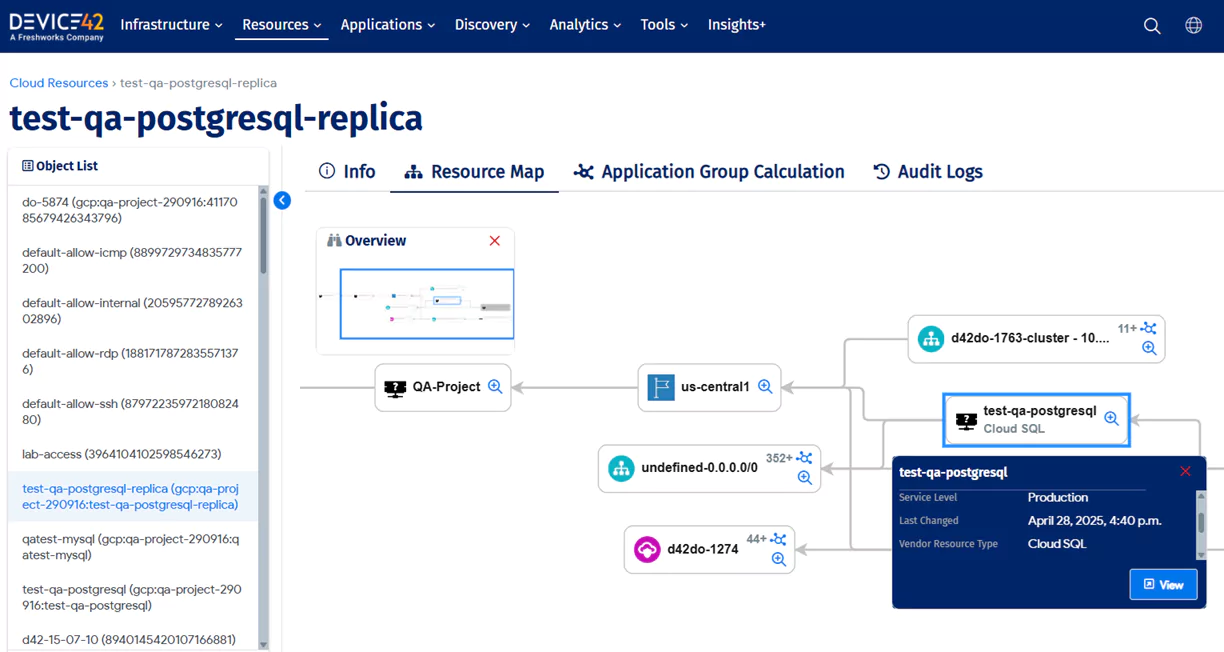
License monitoring tools connect with existing IT systems. This link helps gather real-time data from all software platforms. Integration allows easy access to license reports and alerts. It supports better decision-making about software purchases and renewals. Strong integration keeps all software use clear and controlled.
Strategies For Maximizing Savings
Saving money on cloud software licensing requires smart strategies. Businesses must control costs carefully. Understanding how to manage licenses helps avoid waste. It also ensures compliance and smooth operations.
Two key strategies can help businesses save. Regular audits and reviews keep track of license use. Negotiating with vendors can lower prices and improve terms. These steps help companies get the most value from their software investments.
Regular Audits And Reviews
Check your software licenses often. Audits show which licenses are used or unused. This stops paying for licenses not needed. Reviews help spot changes in software needs. Adjust licenses based on current usage. This keeps costs aligned with real demand.
Audits also find compliance risks. Fixing these early avoids penalties and fines. Use tools to track licenses automatically. This saves time and reduces errors. Regular reviews create a clear picture of spending and usage.
Negotiating With Vendors
Talk to software vendors about pricing. Vendors may offer discounts for volume or long-term deals. Ask for flexible licensing options. This matches payments to actual use.
Negotiate contract terms to allow changes. This helps when business needs shift. Vendors value long-term customers. Businesses can use this to get better deals. Clear communication builds strong vendor relationships. This can lead to ongoing savings and support.
Credit: www.device42.com
Future Trends In Cloud Licensing
Cloud software licensing is changing fast. Businesses must keep up with new trends to manage costs and risks well. Understanding future trends helps companies plan better and avoid surprises. Two key trends stand out in cloud licensing today.
Ai And Machine Learning Applications
AI and machine learning are shaping cloud licensing in many ways. These technologies help track software use more accurately. They spot unusual patterns that may mean license misuse or waste. AI tools predict future needs, helping companies buy only what they need. This leads to smarter spending and better license compliance.
Shift Toward Subscription Models
Subscription models are becoming the norm for cloud software. Instead of buying licenses outright, companies pay monthly or yearly fees. This model offers flexibility to scale up or down quickly. It also reduces upfront costs and spreads expenses over time. Businesses need clear visibility into subscriptions to avoid paying for unused services.

Credit: mytechdecisions.com
Frequently Asked Questions
What Is Cloud Software Licensing Visibility?
Cloud software licensing visibility means tracking all software use in the cloud. It helps businesses avoid overspending and ensures compliance with license terms.
Why Do Businesses Need Cloud License Management?
Businesses need cloud license management to control costs, prevent unauthorized use, and avoid legal risks related to software licenses.
How Does Visibility Improve Cloud Software Compliance?
Visibility helps identify unlicensed or expired software use. This reduces legal risks and ensures companies follow vendor agreements properly.
Can Better License Visibility Reduce Cloud Expenses?
Yes, it identifies unused or underused licenses, allowing businesses to optimize spending and avoid paying for unnecessary software.
Conclusion
Businesses must see how they use cloud software licenses. This helps control costs and avoid surprises. Clear visibility stops wasting money on unused licenses. It also ensures compliance with rules and avoids fines. Managing licenses well improves planning and decision-making.
Simple steps bring big benefits. Stay aware, stay in control, and keep your business running smoothly.


