Are you wondering who is responsible for managing your business intelligence software? Knowing exactly who handles this powerful tool can make a huge difference in how well your company uses data to grow and succeed.
Whether you’re a small business owner or part of a larger team, understanding who takes charge of your BI software helps you get clearer insights, make smarter decisions, and stay ahead of the competition. Keep reading to discover the key players behind business intelligence and how they impact your success.
Business Intelligence Software Roles
Business Intelligence software helps companies make smart decisions by using data. Different people have roles to manage and use this software effectively. Each role has clear tasks to keep data accurate and useful. Understanding these roles helps businesses use their data well and improve performance.
Data analysts collect and study data from many sources. They find trends and patterns to help teams understand the numbers. Analysts build reports and dashboards to show important insights. Their work guides decisions with clear facts.
Business Intelligence Developers
BI developers design and build the software tools for data analysis. They create databases and data models to store information. Developers also write code to automate data processes. Their work makes data easy to access and use.
Data engineers focus on gathering and organizing data. They build systems to move data safely and quickly. Engineers ensure data is clean and ready for analysis. They keep the data flow smooth and reliable.
Business Users
Business users apply BI tools to solve real problems. They explore reports to find answers for their teams. Users make decisions based on the insights they see. Their feedback helps improve BI software and data quality.
Bi Managers
BI managers oversee the entire business intelligence process. They coordinate between teams and set goals for BI projects. Managers ensure data security and compliance with rules. They keep BI efforts aligned with business needs.
Data Analysts
Data analysts play a key role in handling business intelligence software. They work directly with data to help businesses make smart decisions. Their tasks include gathering data, creating reports, and finding useful insights. These steps make data easier to understand and use.
Data Collection And Preparation
Data analysts collect data from different sources. They clean and organize data to remove errors and duplicates. Proper preparation helps in accurate analysis. Well-prepared data saves time and reduces mistakes.
Reporting And Visualization
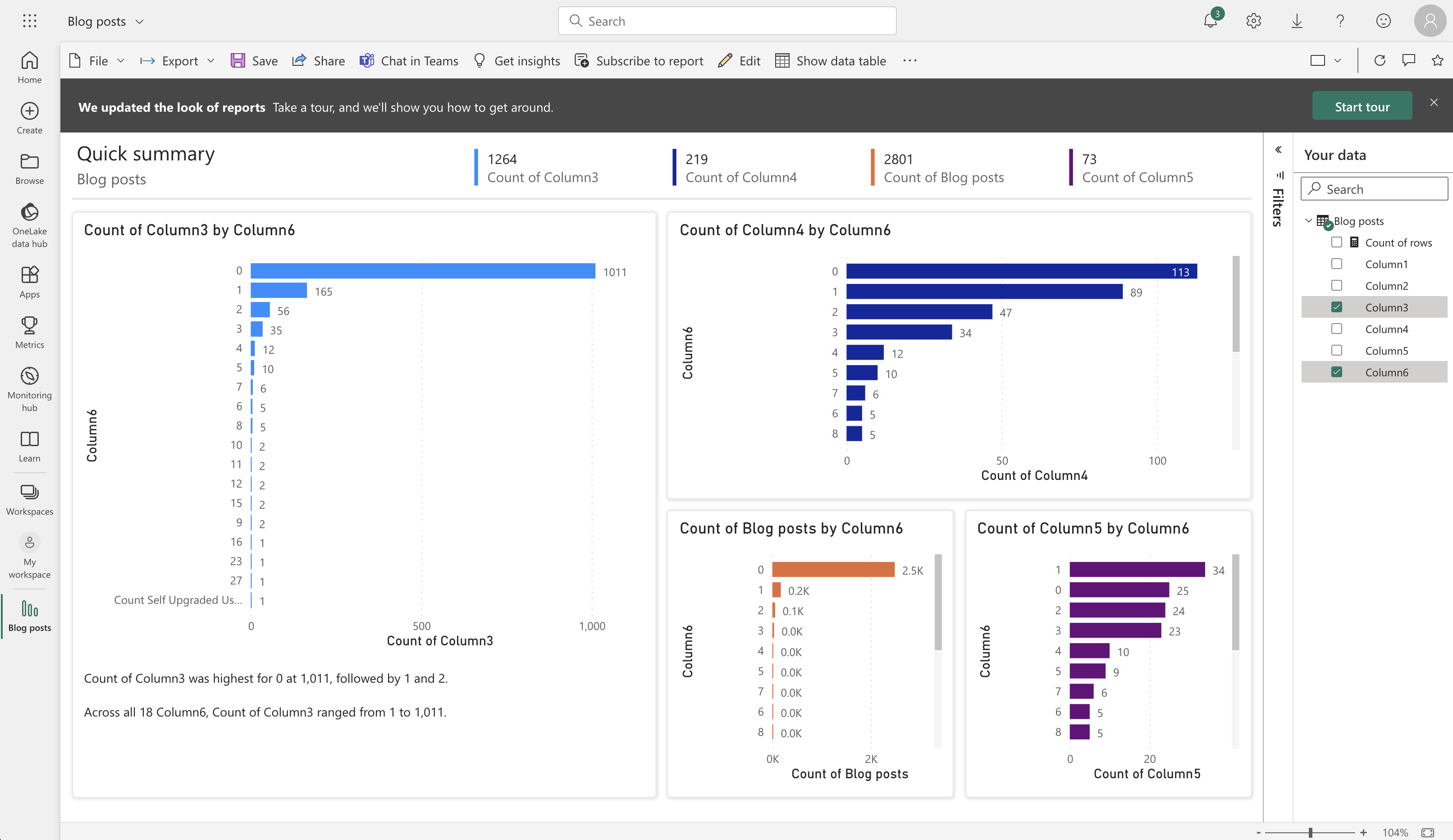
Analysts create reports that show data clearly. They use charts and graphs to make complex data simple. Visual tools help managers see patterns and trends fast. Good reports guide better business choices.
Insights Generation
Data analysts study data to find useful insights. They identify problems and opportunities hidden in numbers. These insights help improve products and services. Businesses rely on analysts to understand what data means.
Data Engineers
Data engineers play a key role in business intelligence software. They build and maintain the systems that move data from source to analysis. Their work ensures data is clean, organized, and ready for use. Without data engineers, data scientists and analysts would not have reliable data to work with.
Data Pipeline Development
Data engineers create data pipelines to transport data efficiently. These pipelines collect data from various sources and deliver it to storage or analysis tools. They design pipelines to handle large data volumes and ensure fast processing. Continuous monitoring helps catch errors and keep pipelines running smoothly.
Etl Processes
ETL stands for Extract, Transform, Load. Data engineers extract data from different systems. Then, they transform the data into a usable format. Finally, they load the data into a database or warehouse. ETL processes clean and organize data for accurate reporting and analysis. This step is vital for trustworthy business intelligence results.
Data Warehouse Management
Data engineers manage data warehouses where large data sets are stored. They optimize the warehouse for speed and easy access. Proper management keeps data safe and well-structured. This allows teams to quickly find and use the information they need. Data warehouse management supports strong decision-making in businesses.
Bi Developers
BI developers build and maintain business intelligence software. They turn data into clear reports. Their work helps companies make smart choices. BI developers use coding and data skills every day.
They work closely with data analysts and managers. Their job is to create tools that show useful information. BI developers focus on making data easy to understand.
Dashboard Creation
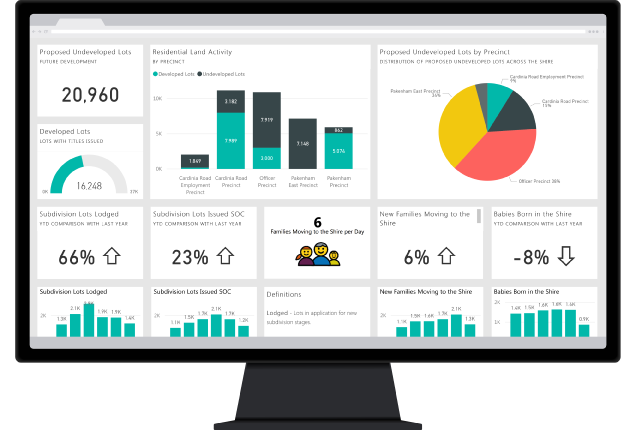
BI developers design dashboards that display key data. These dashboards show sales, expenses, and customer trends. They use charts and graphs for clear views. Dashboards update automatically with new data. Users can quickly see business performance at a glance.
Custom Bi Solutions
BI developers build custom solutions for unique business needs. They write code to meet specific goals. These solutions handle special data types or reports. Custom tools fit the company’s way of working. They improve efficiency by automating tasks.
Tool Integration
BI developers connect different software tools together. They link databases, analytics platforms, and reporting tools. Integration helps data flow smoothly across systems. It saves time and reduces errors. This allows businesses to use all their data easily.
Data Scientists
Data scientists play a key role in managing business intelligence software. They analyze complex data to find useful insights. Their work helps businesses make smart decisions based on real information. Data scientists use many tools and techniques to understand patterns and trends in data.
Advanced Analytics
Data scientists use advanced analytics to explore large data sets. This process reveals hidden patterns and connections. They apply statistical methods to find answers to business questions. These insights improve strategies and operations. The goal is to turn raw data into clear, actionable information.
Predictive Modeling
Predictive modeling is a key skill for data scientists. It helps forecast future trends based on past data. By building models, they estimate outcomes like sales or customer behavior. These models guide businesses in planning and decision-making. Predictive modeling reduces risks and improves accuracy.
Machine Learning Applications
Machine learning allows data scientists to create systems that learn from data. These systems improve their performance without being programmed again. They detect patterns, classify data, and make predictions automatically. Machine learning enhances business intelligence by making data analysis faster and smarter.
Credit: zapier.com
It And Database Administrators
IT and Database Administrators play a key role in managing business intelligence software. They keep the systems running smoothly and ensure data is safe. Their work supports the entire organization by making data accessible and reliable.
System Maintenance
IT and Database Administrators regularly update business intelligence software. They install patches and fix bugs to prevent problems. Routine checks keep the system stable and avoid downtime. They also back up data to protect it from loss.
Security And Compliance
Protecting data is a top priority for these professionals. They set up firewalls and control user access to secure information. Compliance with laws and regulations is part of their job. They monitor systems for unusual activity and respond quickly to threats.
Performance Optimization
IT and Database Administrators improve software speed and efficiency. They analyze system performance and tune databases for faster queries. Removing unnecessary processes helps keep the system responsive. Their work ensures users get quick and accurate data.
Business Stakeholders
Business stakeholders play a key role in managing business intelligence software. They represent the interests of different departments and users. Their input shapes how the software meets real business needs. Stakeholders help ensure the software supports company goals effectively.
Requirement Definition
Stakeholders identify what data and reports the software must provide. They share their daily challenges and goals. This helps define clear requirements for the system. Without their input, the software may miss important features.
Decision Making
Business stakeholders use the software to guide important choices. They analyze data to understand trends and risks. Their decisions impact budgets, marketing, and operations. The software helps them make informed, timely decisions.
Feedback And Iteration
After using the software, stakeholders give feedback on its performance. They suggest improvements to make it more useful. Developers use this feedback to update the software regularly. This cycle helps keep the system relevant and effective.
Credit: www.spec-india.com
Bi Project Managers
BI Project Managers play a key role in Business Intelligence software projects. They guide the project from start to finish, making sure every step runs smoothly. Their job requires strong skills in planning, organizing, and managing people and tasks.
These managers act as a bridge between the technical team and business users. They ensure the software meets the company’s goals and delivers useful insights. Their work helps companies make better decisions based on data.
Project Planning
BI Project Managers create detailed plans for the project timeline and goals. They define clear milestones and deadlines to track progress. Resource allocation is part of their job, ensuring the team has what they need. Risks are identified early, with strategies to handle them. Effective planning keeps the project on track and within budget.
Team Coordination
They coordinate different team members, including developers, analysts, and stakeholders. Communication is key to align everyone’s efforts and avoid misunderstandings. They organize regular meetings to discuss progress and challenges. BI Project Managers also motivate the team to maintain focus and productivity. Strong coordination leads to smoother project execution.
Deliverable Management
BI Project Managers oversee the creation and delivery of project outputs. They ensure all deliverables meet quality standards and business requirements. Timely delivery is crucial to keep the project moving forward. They review work regularly to catch issues early. Managing deliverables well builds trust with clients and users.
Credit: www.kanbanbox.com
Frequently Asked Questions
Who Is Responsible For Managing Bi Software?
Business intelligence software is usually managed by data analysts, BI specialists, or IT teams. They ensure data accuracy and system functionality. Sometimes, business managers also oversee BI tools to make data-driven decisions.
Which Department Handles Business Intelligence Tools?
Typically, the IT or data analytics department handles business intelligence tools. They maintain the software, analyze data, and support decision-making processes across the organization.
How Do Companies Assign Bi Software Roles?
Companies assign BI software roles based on skills and data needs. IT manages infrastructure, analysts interpret data, and business leaders use insights for strategy.
Can Business Users Manage Bi Software Independently?
Some BI tools are user-friendly, allowing business users to manage dashboards and reports. However, complex tasks often require IT or BI expert involvement.
Conclusion
Business intelligence software helps companies make smart choices. Different teams like IT, analysts, and managers often work together. They gather data, study it, and share insights. Clear roles make the process smooth and effective. Choosing the right people ensures the software works well.
This teamwork improves decisions and boosts business success. Understanding who handles the software helps everyone stay on track. It keeps data useful and easy to use. Good cooperation leads to better results every day.